Enhancing Your Garden Design with the Tobacco root Plant: A Landscaping Guide
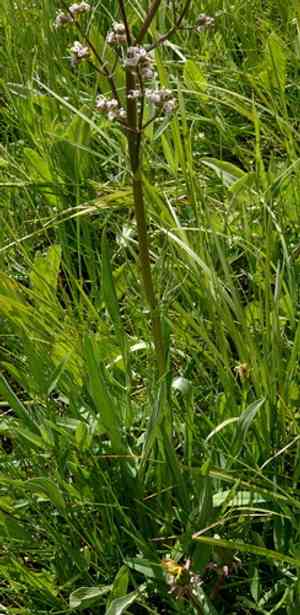
1
Tobacco root flourishes in soils that drain effectively and areas with ample sunlight.
2
Adding Tobacco root to your garden can draw in helpful pollinating insects.
3
Tobacco root fits effortlessly into diverse garden designs, ranging from contemporary to traditional.
Introduction: Why Consider Tobacco root for Your Landscape?
Overview of Tobacco root's aesthetic value
Tobacco root enhances any garden, offering a distinct and striking beauty to outdoor areas. Its unique leaves and blooms create a visual anchor that captures attention and adds charm. With its tall, lush growth, Tobacco root can serve as an excellent backdrop for smaller plants or stand alone as a central feature in your garden design.
Transitioning into landscaping trends
Landscaping trends are moving towards creating sustainable, low-maintenance gardens, and Tobacco root fits this perfectly. As gardeners and designers aim to include more native and resilient plants, Tobacco root has become a popular choice. Its ability to flourish in diverse conditions makes it an ideal candidate for modern, eco-friendly landscaping.
Key benefits of incorporating Tobacco root in your garden
Adding Tobacco root to your landscape provides numerous advantages, from visual appeal to ecological benefits. It not only offers a stunning display but also supports local wildlife, including pollinators like bees and butterflies. Moreover, Tobacco root is known for its robust nature, requiring minimal upkeep once established, making it a practical choice for any garden.
Designing with Tobacco root: Composition and Placement
How to effectively place Tobacco root for visual impact
To maximize Tobacco root's visual impact, careful placement is crucial. Planting Tobacco root in groups can make a bold statement, while scattering it throughout your garden can provide a unified yet dynamic look. Position Tobacco root where it receives ample sunlight and can be seen from various angles to fully appreciate its beauty.
Complementary plants and Tobacco root: Creating harmony
Tobacco root pairs well with various other plants, allowing you to create harmonious and balanced garden compositions. Consider combining Tobacco root with plants of contrasting textures and colors to enhance its visual appeal. For instance, pairing it with grasses or shrubs can create a layered look, adding depth and dimension to your garden.
Incorporating Tobacco root into different landscape styles
Tobacco root is versatile and can be integrated into various landscape styles, from contemporary to rustic. In a modern garden, Tobacco root's sleek lines can complement minimalist designs, while in a more traditional or rustic setting, its natural appearance blends seamlessly with other native plants. Experiment with different styles to find the perfect fit for your garden.
Seasonal Considerations for Tobacco root
What to expect in spring and summer
During the spring and summer months, Tobacco root thrives and reaches its full potential. This is when Tobacco root produces its most vibrant flowers and lush foliage, adding life and color to your garden. Ensure Tobacco root receives sufficient water and sunlight during these active growing seasons to maintain its health and beauty.
Preparing Tobacco root for fall and winter
As the weather cools, it's important to prepare Tobacco root for the fall and winter seasons. Begin by trimming any dead or dying foliage to encourage healthy growth in the spring. Mulching around the base of Tobacco root can help protect its roots from freezing temperatures. Additionally, reduce watering as Tobacco root enters its dormant phase to prevent root rot.
Maintenance Tips for Tobacco root in Landscaping
Basic upkeep and handling
Maintaining Tobacco root in your landscape is relatively straightforward. Regularly check for pests and diseases, and remove any affected parts of the plant promptly. Pruning Tobacco root once a year can help retain its shape and encourage new growth. Additionally, fertilize Tobacco root in the early spring to promote robust health throughout the growing season.
Addressing common challenges with Tobacco root
While Tobacco root is hardy, it can face some common challenges, such as root rot or mildew. Ensuring proper drainage and avoiding overwatering can mitigate these issues. If you notice any signs of disease, treat the plant with organic fungicides or insecticides as needed. Consistent monitoring and care will help keep Tobacco root thriving in your garden.
Inspirational Ideas: Real-world Examples of Tobacco root in Landscapes
Featured landscapes and their success stories
There are many inspiring examples of how Tobacco root has been effectively used in various landscapes. From public parks to private gardens, Tobacco root has proven to be a versatile and attractive addition. Many gardeners have found success by incorporating Tobacco root into mixed borders or using it as a focal point in their designs. These success stories highlight the plant's adaptability and aesthetic appeal.
How different climates influence Tobacco root usage
The usage of Tobacco root can vary significantly depending on the climate. In cooler regions, Tobacco root may require more protection during the winter months, while in warmer climates, it may need additional watering during dry spells. Understanding your local climate will help you utilize Tobacco root most effectively in your landscape, ensuring it thrives throughout the year.



