How to Prune Vachellia schaffneri?
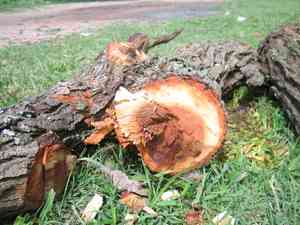
Recognized for its spiny limbs and fine leaves, vachellia schaffneri thrives with trimming in early spring or late winter. This period encourages robust development and sculpts the specimen efficiently. Begin by excising dead or ailing wood, then reduce congested branches to enhance light exposure and air movement. Consistent removal of basal shoots deters undesirable proliferation. Such meticulous pruning boosts the plant's vitality and visual charm, guaranteeing abundant blooms and a refined look.
What Are the Benefits of Pruning Vachellia Schaffneri?
What Are the Benefits of Pruning Vachellia Schaffneri?
Trimming vachellia schaffneri encourages robust growth and maintains its form. This practice fosters healthy development, manages plant size, improves appearance, and lessens pest and disease problems, ensuring the plant's overall vigor.
What Is the Best Time for Pruning Vachellia Schaffneri?
What Is the Best Time for Pruning Vachellia Schaffneri?
Pruning vachellia schaffneri in early spring or late winter is advisable because these periods ensure the plant is still dormant or just starting its growth cycle. Pruning at these times minimizes plant stress and aids in healthy regrowth. This timing also lowers the risk of pest infestation and diseases that can occur when the plant is actively growing. Furthermore, pruning before the active growing season allows for better shaping and promotes more abundant flowering or fruiting. By aligning with the plant's natural growth cycle, gardeners can ensure improved plant health and optimal growth outcomes.
What Tools Do I Need to Prune Vachellia Schaffneri?
Hand Pruners (Bypass Pruners)
Essential for trimming small to medium-sized branches. Bypass pruners provide a clean cut that promotes fast healing.
Lopping Shears
Ideal for cutting thicker branches up to 2 inches in diameter. The long handles provide leverage for a cleaner cut.
Pruning Saw
Necessary for removing larger limbs that cannot be cut with hand pruners or lopping shears. A sharp pruning saw ensures precise cuts without damaging the plant.
Long-Handled Pruners
Helpful for reaching higher branches without the need for a ladder. Allows for better control and safety when pruning elevated growth.
Gloves
Important for protecting hands from thorns and rough bark, typically found on vachellia schaffneri.
Disinfectant
Essential for sterilizing tools before and after use to prevent the spread of disease.
How to Prune Vachellia Schaffneri
Assessment
Inspect vachellia schaffneri for dead or diseased branches. Mark these branches for removal.
Sterilization
Clean and sterilize your pruning tools to prevent the spread of disease.
Removal dead branches
Cut dead branches back to the nearest healthy lateral branch or to the main stem, using sharp pruning shears or a saw for larger branches. Make clean cuts to avoid damaging the plant.
Removal diseased branches
Prune diseased branches back to healthy wood, ensuring the cut is made at least 6 inches below the affected area to ensure all diseased tissue is removed.
Disposal
Dispose of the pruned dead or diseased branches away from the garden to prevent any potential spread of disease.
Common Pruning Mistakes with Vachellia Schaffneri
Over-pruning
Removing too much foliage can stress vachellia schaffneri and reduce its overall health. It's a common mistake to think that the more you prune, the better the plant will perform.
Incorrect cuts
Making improper cuts, such as cutting too close to the trunk or branches, can damage the plant. This may open up pathways for diseases and pests.
Pruning at the wrong time
Ignoring the timing can result in poor flowering or even damage to vachellia schaffneri. Ensure you know when it's appropriate to prune this particular species.
Using the wrong tools
Utilizing dull or inappropriate tools can cause jagged cuts, leading to more harm than good. Clean and sharp tools are essential for precise cuts.
Common Pruning Tips for Vachellia Schaffneri
Use clean, sharp tools
Always ensure your pruning tools are sharp and clean to make clean cuts that heal quickly. This minimizes the risk of infections and diseases.
Make selective cuts
Focus on removing dead, diseased, or broken branches first. Then, thin out crowded areas to allow light and air to penetrate throughout the plant.
Prune lightly
Especially for beginners, it's better to prune lightly rather than excessively. Aim to trim no more than 20-30% of the total foliage in one session.
Angled cuts
Make cuts at a slight angle to prevent water from pooling on the cuts, which can lead to rot and disease.
Maintain the natural shape
Follow the natural growth habit of vachellia schaffneri to preserve its aesthetic and structure. Avoid trying to drastically alter the shape as it can stress the plant.



