How to Propagate Vachellia schaffneri?
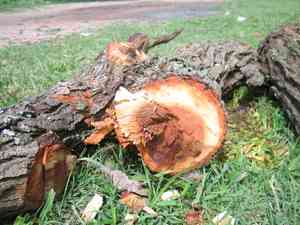
Vachellia schaffneri is a robust, spiny bush frequently encountered in dry environments. For reproduction, the most efficient technique involves using cuttings. Confirm that the cuttings measure 15-20 cm in length, sourced from vigorous, developed stems. Utilizing rooting stimulant can improve outcomes. Insert cuttings into porous soil, preserving adequate dampness. The development of robust roots might require several weeks, following which relocation to a permanent site is feasible. Perfect for drought-tolerant landscaping.
Optimal Period for Vachellia Schaffneri Propagation
Propagation Method
Cutting
Propagation Period
Autumn,Winter
Tools Utilized in Vachellia Schaffneri Propagation
Pruners
Pruners serve to obtain clean, precise cuttings from the parent plant. For vachellia schaffneri, pruners help ensure damage-free cuts, reducing disease risk and fostering quicker root development.
Rooting Hormone
Rooting hormone is applied to the cut ends of vachellia schaffneri cuttings to stimulate root growth. It significantly enhances root formation for this species, leading to more successful propagation.
Propagation Trays
Propagation trays offer a controlled environment for vachellia schaffneri cuttings. They allow for proper spacing and drainage, vital for preventing root rot and ensuring healthy root development.
Sterile Growing Medium
A sterile growing medium, such as perlite and peat moss mix, is crucial for propagating vachellia schaffneri. It prevents fungal and bacterial infections, providing a clean environment for root development.
Humidity Dome
A humidity dome helps maintain high humidity levels around vachellia schaffneri cuttings, essential for preventing desiccation and encouraging root development. This tool is especially useful during initial propagation stages.
Heat Mat
A heat mat provides consistent bottom heat to propagation trays, which can accelerate root growth in vachellia schaffneri cuttings. Maintaining the correct temperature is key for successful root formation and overall cutting health.
Watering Can with Fine Rose
A watering can with a fine rose attachment aids in evenly watering cuttings without disturbing the delicate growing medium. This ensures vachellia schaffneri cuttings receive adequate moisture without excessive waterlogging.
How to Propagate Vachellia Schaffneri?
Propagation Difficulty
Moderately Difficult
Caring for Your Newly Propagated Vachellia Schaffneri
Caring for Your Newly Propagated Vachellia Schaffneri?
After successful rooting, transplant vachellia schaffneri into a larger pot with well-draining soil. Water regularly, allowing the top inch of soil to dry between waterings. Vachellia schaffneri prefers full sun and tolerates dry conditions once established. Fertilize lightly during the growing season and prune as needed to maintain shape. Monitor for pests and diseases, treating promptly if issues arise.
Common Errors to Avoid When Propagating Vachellia Schaffneri
Using poor-quality soil
Employing soil that drains poorly or lacks nutrients can hinder root development and overall growth.
Overwatering
Providing excessive water can lead to root rot and fungal infections, which are detrimental to vachellia schaffneri's well-being.
Inadequate light
Failure to provide sufficient sunlight can result in weak, elongated plants that may struggle to support themselves.
Ignoring pest control
Neglecting to address pests like aphids or mites can cause significant damage and reduce the plant's chances of successful propagation.
Tips For Propagating Vachellia Schaffneri
Use well-draining soil
Ensure the soil mixture consists of well-draining materials to prevent waterlogging and root rot.
Monitor watering
Water the plant only when the top inch of soil feels dry. Consistent but moderate watering promotes healthy root development.
Provide adequate sunlight
Place vachellia schaffneri in a location where it receives ample sunlight, ideally full sun for most of the day, to encourage robust growth.
Implement pest management
Regularly check vachellia schaffneri for signs of pests and treat any infestations promptly with suitable organic or chemical treatments to maintain plant health.
Use healthy cuttings or seeds
Select disease-free and vigorous cuttings or seeds to ensure a higher success rate in propagation.



