How to Prune Small black blueberry?
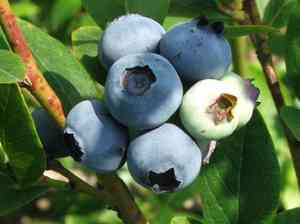
To boost fruit yield and overall vitality, small black blueberry necessitates trimming during its inactive period, usually in the colder months. This procedure entails excising lifeless, ailing, or excessively dense branches to facilitate improved light exposure and airflow. Consistent trimming not only aids in preserving an ideal framework but also thwarts potential problems with pests and illnesses, leading to a more robust and fruitful specimen. Cultivators should employ sharp, sanitized implements for accurate incisions.
What Are the Benefits of Pruning Small Black Blueberry?
What Are the Benefits of Pruning Small Black Blueberry?
Trimming small black blueberry promotes robust development and maintains a compact form, boosting its overall vitality and fruit yield. It specifically eliminates aged, less productive stems, making way for new, fruitful growth.
What Is the Best Time for Pruning Small Black Blueberry?
What Is the Best Time for Pruning Small Black Blueberry?
Pruning small black blueberry during the winter is ideal because the plant is inactive then. Winter pruning minimizes stress on small black blueberry, allowing it to recover and reallocate energy for healthy spring growth. This timing also prevents cutting new shoots essential for flowering and fruiting in the upcoming season. Trimming in winter reduces disease and pest risk, as cuts heal faster with spring's arrival.
What Tools Do I Need to Prune Small Black Blueberry?
Hand Pruners
Perfect for trimming overgrown branches and shaping small black blueberry. This tool enables precise cuts without harming surrounding stems, which is vital for the health of small, delicate branches typical of small black blueberry.
Pruning Shears
Best for thinning inner branches to enhance air circulation and light penetration, crucial for the growth and fruit production of small black blueberry. They are more delicate and suitable for softer or smaller stems, providing clean cuts that help prevent disease entry.
Loppers
These are essential for reaching deeper into the plant and cutting thicker branches that hand pruners cannot manage. Suitable for mature small black blueberry plants that have developed thicker, woodier stems.
Garden Scissors
Useful for snipping off dead or diseased fruit clusters and leaves, thereby maintaining the health and appearance of small black blueberry. Their sharp, fine blades allow for precise, close cuts without injuring the plant.
How to Prune Small Black Blueberry
Identify
Examine small black blueberry thoroughly to pinpoint withered leaves, dead branches, and any signs of disease on branches. Focus on inspecting the plant's base and inside its crown for hidden damage.
Sanitize
Before you begin pruning, disinfect your tools with a solution of 1 part bleach to 9 parts water to prevent disease spread. Rinse and dry tools before use.
Remove leaves
Carefully remove withered leaves from small black blueberry by snipping them at their base with hand shears. This improves the plant's appearance and health by reducing potential disease harbors.
Cut branches
Prune dead and diseased branches from small black blueberry. Make cuts at a 45-degree angle, about 1/4 inch above a healthy bud or node, to encourage new growth. Ensure cuts are clean and smooth for quicker healing.
Cleanup
After pruning, clear all debris from around small black blueberry to prevent disease and pests. Dispose of or compost the removed plant material appropriately to avoid any disease reoccurrence.
Common Pruning Mistakes with Small Black Blueberry
Overpruning
Beginner gardeners often overprune small black blueberry, believing more cutting leads to more vigorous growth. However, excessive branch removal can stress the plant, reducing its overall health and berry production.
Cutting healthy canes
Both new and experienced gardeners might mistakenly prune healthy, productive canes, which can significantly reduce the plant's yield. Identifying which canes to trim is crucial, and misidentification can lead to diminished output.
Neglecting diseased or damaged canes
A common oversight is failing to prioritize the removal of diseased, broken, or dead canes. These can harm the plant's overall health by harboring pests or diseases that could spread to healthier parts of the plant.
Incorrect tool use
Using dull or unsuitable tools can damage small black blueberry canes, leading to jagged cuts susceptible to disease and pests. It's essential to use sharp, clean pruning tools for clean cuts.
Common Pruning Tips for Small Black Blueberry
Selective pruning
Focus on selectively pruning small black blueberry canes. Remove only those older than three years, as they are less productive. Also, prune any weak, diseased, or damaged canes to direct the plant's energy towards healthier, more vigorous growth.
Balanced approach
Maintain a balance between old and new growth to ensure continuous productivity. Prune about one-third of the oldest canes each year, allowing young, healthy canes space to grow and flourish, ensuring a steady harvest.
Clean equipment
Always use clean, sharp pruning tools to make precise cuts. This helps prevent disease spread and minimizes plant damage. After each use, clean your tools to maintain their effectiveness and safeguard small black blueberry's health.
Pruning height
When pruning, ensure cuts are made just above a healthy bud, node, or lateral branch. This promotes optimal regrowth and helps maintain small black blueberry's shape and health.



