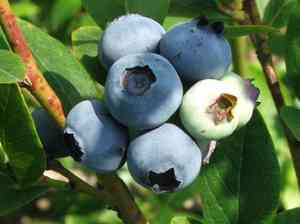
Small black blueberry (Vaccinium tenellum)
Also known as: Southern Dwarf Blueberry
Vaccinium tenellum, known as the small black blueberry, is indigenous to the southeastern United States, stretching from southeastern Mississippi through northern Florida and up to southern Virginia. This species typically flourishes in forests and shrubby regions, favoring elevations up to 200 meters.
In This Article
Attributes of Small black blueberry
Lifespan
Perennial
Plant Type
Shrub
Plant Height
1-2 feet
Spread
1-2 feet
Leaf Color
Bright green
Flower Size
2.5 cm
Flower Color
White to pink
Images of Small black blueberry
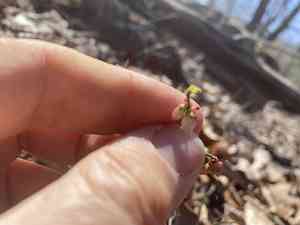
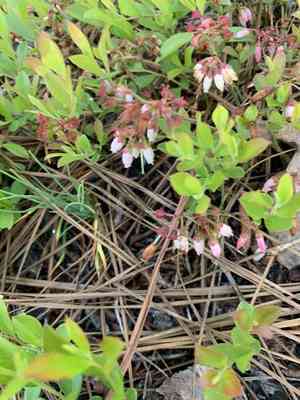
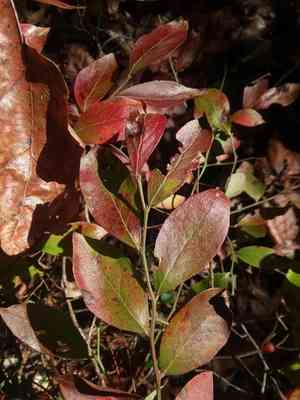
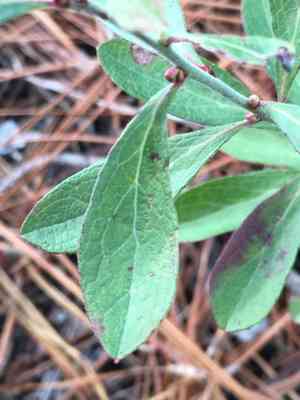
Quickly Identify Small black blueberry
1
Oval to elliptical leaves, 0.5-1 inch (1.3-2.5 cm) long, with finely toothed margins.
2
Densely pubescent stem, 0.1-0.2 inches (2.5-5 mm) diameter, with a fuzzy appearance.
3
White to pink, bell-shaped flowers, 0.25 inches (6 mm) in diameter, emitting a sweet scent.
4
Dark blue to black, smooth berries, 0.2-0.4 inches (5-10 mm) in diameter, clustered tightly.
5
Exfoliative bark peeling in narrow strips, revealing light to medium brown hues.
Scientific Classification of Small black blueberry
Phylum
Vascular plants
Class
Dicotyledons
Order
Ericales
Family
Heath
Genus
Blueberries
Species
Small black blueberry
Planting and Growing of Small black blueberry
Care Difficulty
Easy
Watering Schedule
Every 3 days
Sunlight Requirements
Partial sun
Sunshine Duration
4-8 hours
Ideal Temperature
60-75℉
Soil Type
Potting Mix, Peat Mix
Soil pH
4.5-5.5
Fertilizer Type
Balanced
Pruning Season
Spring, Summer
Pruning Area
Branches, Leaves
Pruning Frequency
2 times a year
Repotting Season
Spring
Pot Type
Plastic, Ceramic
 How to Water Small black blueberry?
Vaccinium tenellum, commonly known as the southern black blueberry, requires moderate watering. Water deeply but infrequently, ensuring the soil is moist but not waterlogged. This plant thrives when watered about 500 mL per session, soaking the root zone thoroughly to encourage deep rooting, which helps in drought tolerance.
What are the symptoms of an underwatered Small black blueberry?
›
What should I do if my Small black blueberry is not getting enough water?
›
What are the symptoms of an overwatered Small black blueberry?
›
How to save an overwatered Small black blueberry?
›
 What Are the Sunlight Requirements for Small black blueberry?
For Vaccinium tenellum, ideal light conditions involve partial sun exposure, promoting plant vigor and enhancing berry production, while preventing the negative effects of too much direct exposure.
How much light does Vaccinium tenellum need?
›
What are the benefits of providing ideal lighting?
›
How to achieve these conditions?
›
 What Is the Ideal Temperature Range for Small black blueberry?
Vaccinium tenellum thrives best at temperatures between 60°F and 75°F. This range provides the optimal environment for photosynthesis and growth, while minimizing stress on the plant. Maintaining this temperature range can significantly enhance plant health and fruit production.
 What Soil is Best for Small black blueberry?
Vaccinium tenellum thrives in soil rich in organic matter. This supports the plant's growth by increasing nutrient availability and enhancing moisture retention, crucial for its shallow roots. Ensuring well-draining soil is essential to prevent root rot in Vaccinium tenellum. It allows excess water to escape, avoiding waterlogged conditions that can damage the plant. While Vaccinium tenellum requires well-drained soil, it also needs consistent moisture. The balance ensures the roots remain hydrated without becoming saturated, fostering healthy growth.
 How to Fertilize Small black blueberry?
When fertilizing Vaccinium tenellum, use a balanced fertilizer at a rate of 1 tablespoon per gallon of water. Ensure that the fertilizer is dissolved thoroughly before application. Maintain a light hand when initially applying as these plants can be sensitive to nutrient overload.
 How to Prune Small black blueberry?
Start by removing any branches that look dead or are infected. This minimizes the spread of disease and allows the plant to channel energy into healthier growth. Prune branches to maintain the desired shape. Focus on creating an open structure, which improves air circulation and light penetration, promoting healthy development. Trim away older branches to stimulate the growth of new shoots. New wood is more productive in terms of fruit-bearing, thereby potentially increasing yield.
More About Pruning Techniques→
 How to Propagate Small black blueberry plant?
1
Collect ripe berries from Vaccinium tenellum plants. Extract the seeds by gently crushing the berries and washing away pulp, then dry seeds in a cool, dark place for a few days before sowing.
2
Select a healthy stem from the parent plant. Trim the cutting to approximately 4-6 inches, remove leaves from the lower half, and dip the cut end in rooting hormone before planting it in a well-draining substrate.
3
During autumn, gently dig around the base of the plant to separate rooted suckers. Ensure that each division has sufficient roots and then replant in a suitable location with well-prepared soil.
 How to Repot Small black blueberry plant?
1
You should consider repotting Vaccinium tenellum when you notice its roots emerging from the drainage holes or the plant's growth seems stunted. The ideal timing is during early spring or autumn, ensuring the plant is not in its active growth phase and transitions smoothly.
2
Select a pot that is only slightly larger than the current one, prioritizing proper drainage by ensuring it has multiple holes. This minimizes waterlogging risks, which can be detrimental to the roots, ensuring healthier growth and the prevention of root rot.
3
Opt for an acidic, well-draining soil mix, similar to what's used for other blueberries, enriched with organic matter. This supports root growth and mimics the plant's natural environment, ensuring optimal nutrition and maintaining necessary acidity levels.



