How to Prune 'ohelo 'ai?
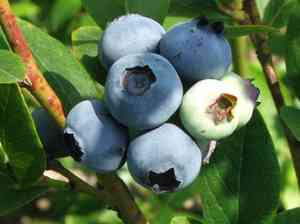
'ohelo 'ai, a bush recognized for its palatable fruit, flourishes with yearly trimming. To preserve its vitality and yield, perform pruning in early spring prior to the emergence of new shoots. Eliminate deceased, ailing, or intersecting branches to foster air movement and light access. Reducing the number of mature stalks can stimulate robust new development and guarantee improved berry output. Pruning aids in shaping 'ohelo 'ai and encourages a denser structure, augmenting its ornamental and fruit-producing capacity.
What Are the Benefits of Pruning 'ohelo 'ai?
What Are the Benefits of Pruning 'ohelo 'ai?
'ohelo 'ai thrives with pruning, promoting vigorous growth and maintaining its form. Pruning encourages robust development, enhances flowering/fruiting, manages size, improves aesthetics, and boosts resistance to pests/diseases. These practices ensure 'ohelo 'ai remains strong and productive.
What Is the Best Time for Pruning 'ohelo 'ai?
What Is the Best Time for Pruning 'ohelo 'ai?
Pruning 'ohelo 'ai in early spring is considered ideal as it aligns with the plant's natural growth cycle. During early spring, 'ohelo 'ai typically emerges from dormancy and enters its active growth phase. This period allows the plant to recover quickly from pruning wounds as new growth begins. Additionally, trimming at this time helps shape the plant and encourages healthy flowering and fruiting in the upcoming season. Pruning later in the growing season or during winter can stress the plant or disrupt its natural cycle, leading to reduced vigor and productivity.
What Tools Do I Need to Prune 'ohelo 'ai?
Hand Pruners
Perfect for precise cuts on small branches and stems of 'ohelo 'ai, which often require meticulous attention due to their delicate nature.
Bypass Pruners
Suitable for making clean, close cuts essential to prevent plant damage, fostering healthy regrowth.
Pruning Shears
Useful for shaping and trimming larger sections of 'ohelo 'ai, ensuring an even and controlled pruning process.
Lopping Shears
Recommended for cutting thicker branches that hand pruners might not manage, offering greater leverage and cleaner cuts.
Pruning Saws
Necessary for removing thick or woody stems that cannot be handled by shears or loppers, ensuring larger cuts are clean and do not harm the plant.
Handheld Hedge Trimmers
Useful for maintaining the shape and size of 'ohelo 'ai, allowing for efficient trimming of multiple branches simultaneously.
How to Prune 'ohelo 'ai
Inspect
Carefully examine 'ohelo 'ai for any diseased leaves, withered leaves, dead branches, and diseased branches. Ensure you have a clear understanding of the plantâs overall health.
Sanitize
Sanitize your pruning tools before use to prevent the spread of disease to 'ohelo 'ai. This can be done by wiping the blades with rubbing alcohol or a bleach solution.
Remove Diseased Leaves
Identify and remove any diseased leaves. Make clean cuts close to the stem but avoid cutting into the healthy tissue of 'ohelo 'ai. Properly dispose of the diseased leaves to prevent contamination of the soil.
Trim Withered Leaves
Cut away withered or yellowing leaves using sharp, sanitized shear. Ensure that cuts are neat to promote faster healing for 'ohelo 'ai.
Cut Dead Diseased Branches
Prune away dead and diseased branches back to the point of healthy wood. Cut at an angle to prevent water from sitting on the cut surface, which can lead to further disease in 'ohelo 'ai.
Common Pruning Mistakes with 'ohelo 'ai
Over-pruning
Removing too much of the plant can stress 'ohelo 'ai and inhibit its growth and fruit production.
Improper cuts
Making cuts too close to a bud or leaving stubs can invite disease and pests.
Wrong tools
Using dull or dirty tools can damage the plant and increase the risk of infection.
Inconsistent pruning
Irregular pruning schedules can lead to uneven growth and reduce overall plant health.
Common Pruning Tips for 'ohelo 'ai
Clean tools
Always use clean, sharp tools to make precise cuts and reduce the risk of disease.
Prune lightly
For 'ohelo 'ai, light pruning is often sufficient. Focus on removing dead or diseased branches and shaping the plant.
Angle your cuts
Make angled cuts just above a bud to encourage healthy new growth.
Remove crossing branches
Eliminate branches that cross over each other to improve air circulation and reduce the risk of disease.



