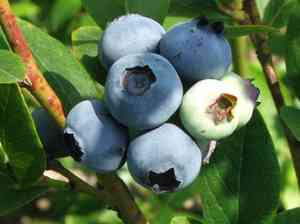
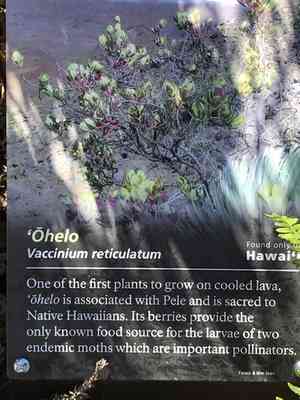
'ohelo 'ai (Vaccinium reticulatum)
Also known as: Hawaiian blueberry
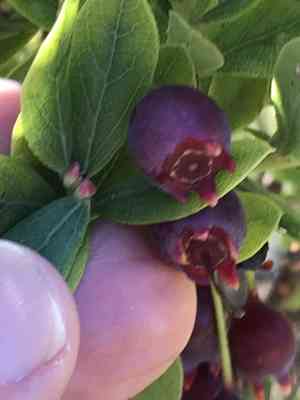
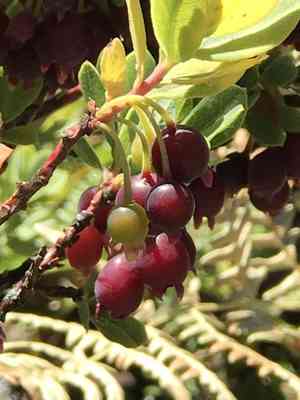
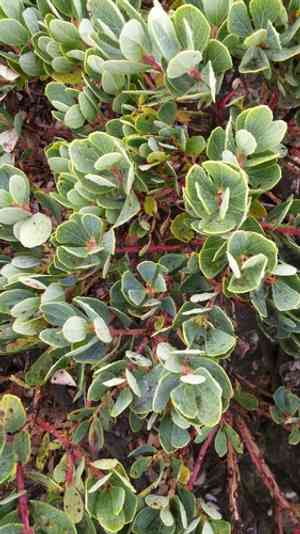
The 'ohelo 'ai (Vaccinium reticulatum) is a hardy, evergreen shrub well-suited to volcanic landscapes. It often grows in low, dense clusters and produces small, pinkish-white, urn-shaped flowers that transform into round, red-to-purple berries. Its distinctive crinkled leaves, marked with a net-like pattern, help it thrive in the nutrient-scarce soils typical of volcanic regions.
In This Article
Attributes of 'ohelo 'ai
Lifespan
Perennial
Plant Type
Shrub
Plant Height
30-60 cm
Spread
30-90 cm
Leaf Color
Green, can turn red or purple
Flower Size
5-10 mm
Flower Color
White to pale pink
Images of 'ohelo 'ai
Quickly Identify 'ohelo 'ai
1
Identify Vaccinium reticulatum by its small, evergreen shrubs, with leathery leaves that are typically green but can turn to shades of red or purple. The berries can range in color from red to yellow to bluish-black. It’s often found growing in volcanic soils.
Scientific Classification of 'ohelo 'ai
Phylum
Vascular plants
Class
Dicotyledons
Order
Ericales
Family
Heath
Genus
Blueberries
Species
'ohelo 'ai
Planting and Growing of 'ohelo 'ai
Care Difficulty
Moderate
Watering Schedule
Every 8 days
Sunlight Requirements
Partial sun
Sunshine Duration
6-10 hours
Ideal Temperature
60-70℉
Soil Type
Potting Mix, Peat Mix
Soil pH
4-5
Fertilizer Type
Balanced
Pruning Season
Spring, Summer
Pruning Area
Branches, Leaves
Pruning Frequency
2 times a year
Repotting Season
Spring
Pot Type
Plastic, Ceramic
 How to Water 'ohelo 'ai?
Vaccinium reticulatum thrives with a watering regime that maintains consistently moist soil, yet avoids waterlogging. Each watering session should apply approximately 250ml to the soil, ensuring the water reaches the root zone. It's essential to check the moisture level by feeling the top inch of soil—allow it to dry slightly between waterings but don't let it get too dry.
What are the symptoms of an underwatered 'ohelo 'ai?
›
What should I do if my 'ohelo 'ai is not getting enough water?
›
What are the symptoms of an overwatered 'ohelo 'ai?
›
How to save an overwatered 'ohelo 'ai?
›
 What Are the Sunlight Requirements for 'ohelo 'ai?
Partial sun ensures Vaccinium reticulatum gains just the right balance of light for photosynthesis without overwhelming the plant, facilitating robust growth and vibrant berry yield.
What is the ideal lighting condition for Vaccinium reticulatum?
›
How can you achieve the ideal light conditions?
›
What benefits does this ideal light condition offer?
›
 What Is the Ideal Temperature Range for 'ohelo 'ai?
The ideal temperature range for Vaccinium reticulatum is between 60°F and 70°F. These temperatures are conducive to optimal growth, as the plant thrives in mild and stable climatic conditions. Maintaining this temperature range ensures that the plant can adequately photosynthesize and metabolize nutrients, leading to healthy foliage and fruit development. This range replicates the conditions of its native environment, promoting robust growth and sustainability in cultivated settings.
 What Soil is Best for 'ohelo 'ai?
Vaccinium reticulatum thrives best in nutrient-rich soil that supports strong root growth and berry production. Enriching the soil with organic matter, such as compost or well-rotted manure, will provide essential nutrients for optimal plant health and abundant fruiting. Well-drained soil is crucial for Vaccinium reticulatum as it prevents root rot and allows for adequate air circulation around the roots. Sandy loam provides a great balance of drainage while retaining enough moisture. Vaccinium reticulatum favors acidic soil with a pH range between 4.0 and 5.0. Acidic conditions are necessary for nutrient absorption, and maintaining this pH helps prevent deficiencies in essential nutrients like iron and magnesium.
 How to Fertilize 'ohelo 'ai?
Vaccinium reticulatum requires a balanced approach to fertilization, as both deficiencies and excesses can affect its growth. For liquid fertilizers, use a diluted solution, typically one-quarter of the standard strength, each time you water. For slow-release fertilizers, apply 5 grams per square meter annually, ensuring even distribution around the base of the plant.
 How to Prune 'ohelo 'ai?
Familiarize yourself with the natural shape and growth habit of the Vaccinium reticulatum. Recognize the main stems and branches to ensure you're enhancing rather than altering its natural structure. Thin out dense areas in the shrub to improve airflow, which helps in reducing mildew and related plant diseases. This is crucial in promoting a healthy plant environment.
More About Pruning Techniques→
 How to Propagate 'ohelo 'ai plant?
1
When propagating by seed, wait until the berries are fully ripened, then extract and clean the seeds. It's crucial to dry them thoroughly to enhance germination rates.
2
Select healthy shoots for cutting propagation. Cut them below a node, remove lower leaves, dip them in rooting hormone, and plant them in a humid substrate to promote rooting.
3
For layering propagation, bend a low-growing stem to the ground and cover a section with soil while leaving the tip exposed. Secure with a pin and maintain soil moisture to encourage rooting.
 How to Repot 'ohelo 'ai plant?
1
Vaccinium reticulatum, commonly known as the Hawaiian Blueberry, should be repotted when its roots begin to outgrow the current pot, usually evident when you notice roots poking out from the drainage holes. Additionally, if you find that the soil dries out too quickly or the plant looks unhealthily cramped, it's an indicator that it's time for a new pot.
2
When selecting a pot for your Vaccinium reticulatum, choose one that is roughly 2 inches larger in diameter than the current pot. This will give the roots sufficient space to grow without overwhelming them with too much extra soil that could remain soggy. A pot with drainage holes is essential to prevent waterlogging, which can lead to root rot.
3
For Vaccinium reticulatum, an acidic well-draining soil is crucial as it mimics their natural habitat. Ideally, a mix designed for acid-loving plants or incorporating elements like peat, perlite, and pine bark will keep the roots healthy and well-supported while allowing proper drainage and aeration.
Toxicity
Ingestion
WARNING
The judgment on toxicity and danger is for reference only. We DO NOT GUARANTEE any accuracy of such judgment. Therefore, you SHALL NOT rely on such judgment. It is IMPORTANT TO SEEK PROFESSIONAL ADVICE in advance when necessary.
Learn More About 'ohelo 'ai Diseases
Anthracnose
Bacterial Leaf Spot
Crown Gall
Cyst Nematode
Damping-off
Downy Mildew
Drought Stress
Fusarium Wilt
Gray Mold
Leaf Curl
Leaf Spot
Mosaic
Nutrient Deficiency
Nutrient Toxicity
Powdery Mildew
Root Rot
Root-knot Nematode
Rusts
Sooty Mold
Spider Mites
Temperature Stress
Thrips Damage
White Mold
Chemical Injury



