How to Prune Hillside Blueberry?
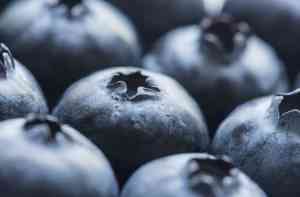
Distinguished by its diminutive, campanulate blossoms and palatable fruit, hillside Blueberry thrives with consistent trimming to preserve its dense structure and encourage robust berry development. Perform pruning in late winter prior to the emergence of new shoots. Eliminate deceased or ailing limbs, reduce older stems, and shorten sprawling sections to enhance air movement and light penetration. This practice boosts fruit yield and guarantees the plant's vitality. Refrain from over-pruning to avert strain on hillside Blueberry.
What Are the Benefits of Pruning Hillside Blueberry?
What Are the Benefits of Pruning Hillside Blueberry?
Trimming hillside Blueberry promotes a more plentiful yield by stimulating fruit development. Eliminating aged or congested branches enables hillside Blueberry to flourish more robustly and maintain a desired form, resulting in a healthier plant structure better equipped to resist pests and illnesses.
What Is the Best Time for Pruning Hillside Blueberry?
What Is the Best Time for Pruning Hillside Blueberry?
Winter pruning is advantageous for hillside Blueberry as it is inactive during this period. This dormant phase minimizes plant stress and lowers the risk of disease infection at the cut sites. Furthermore, without leaves, the plant's structure is more visible, allowing for more effective removal of damaged or diseased wood and shaping the plant for the upcoming growing season. Pruning before spring also encourages robust new growth, crucial for fruit production, as hillside Blueberry flowers and fruits on new wood.
What Tools Do I Need to Prune Hillside Blueberry?
Hand pruners
For precise cuts on smaller stems and branches, hand pruners are perfect and inflict minimal harm to the delicate parts of the hillside Blueberry.
Loppers
When dealing with slightly thicker branches that hand pruners can't manage, loppers offer the necessary leverage and reach without straining the hillside Blueberry's branches.
Pruning saw
For the occasional thicker branch that might need removal, a pruning saw ensures a clean cut without harming the surrounding branch structure of the hillside Blueberry.
Gloves
Protecting the gardener's hands from thorns or rough bark is crucial when trimming hillside Blueberry.
Secateurs
Ideal for deadheading and shaping hillside Blueberry, secateurs allow for precise control during the trimming process.
Sanitizing wipes or solutions
To prevent the spread of diseases when pruning hillside Blueberry, tools should be disinfected between cuts, especially when moving to a different plant.
How to Prune Hillside Blueberry
Step1: Inspecting for Pruning Candidates
Examine hillside Blueberry for old stems, damaged wood, and dead branches requiring removal. Old stems are those that haven't produced new growth or berries in the previous season. Damaged wood can be identified by scars, splits, or discoloration. Dead branches will be brittle and lack green growth.
Step2: Pruning Dead Branches
Using clean, sharp pruning shears, begin by removing any dead branches. Make cuts at a 45-degree angle just above a healthy bud or branch junction, ensuring not to harm the branch collar, which can lead to disease.
Step3: Removing Damaged Wood
Trim out damaged wood, making cuts to either remove small sections or entire branches as needed. Avoid tearing or stripping the bark by cutting cleanly through the branch.
Step4: Thinning Out Old Stems
Thin out old stems to revitalize hillside Blueberry by cutting at the plant's base. Select several of the oldest stems each year to maintain productive growth, leaving the younger, more vigorous stems.
Step5: Shaping the Plant
Shape hillside Blueberry by selectively cutting back overgrown branches to maintain its natural form. Cut just above a lateral branch or bud facing the outside of the plant to encourage outward growth.
Step6: Disposal of Pruned Material
Dispose of or compost all removed material to keep the area around hillside Blueberry free of potential pests and diseases.
Step7: Tool Sanitization Post-Pruning
Clean your pruning tools after trimming hillside Blueberry to prevent the spread of disease to other plants. Use a solution of 1 part bleach to 9 parts water to sanitize your tools.
Step8: Post-Pruning Assessment
Evaluate the plant after pruning to ensure a balanced shape and that the remaining branches are healthy and capable of bearing fruit. Hillside Blueberry should now have improved air circulation and sunlight penetration, which is vital for fruit production and reducing disease risk.
Post-Pruning Care for Hillside Blueberry
Post-Pruning Care for Hillside Blueberry
Immediately after trimming hillside Blueberry, ensure it receives ample indirect sunlight and maintain moderate humidity and cool temperatures to aid recovery. Apply balanced, slow-release fertilizer to replenish nutrients, and water adequately, avoiding over-saturation. Regularly inspect for signs of stressâlike wilting or discolored foliageâand potential infections, such as unusual spots or decay. If symptoms are detected, promptly adjust care conditions and consider consulting a plant health specialist for appropriate treatments.
Common Pruning Mistakes with Hillside Blueberry
Excessive Pruning Shocks Plant
Trimming too much too soon, which can shock hillside Blueberry and result in the loss of fruit-bearing branches.
Using Dull or Dirty Pruning Tools
Not using clean, sharp tools, which can lead to jagged cuts and make hillside Blueberry susceptible to pests and diseases.
Neglecting Plant's Natural Growth Pattern
Ignoring the natural growth habit of hillside Blueberry, leading to an unnatural shape and poor fruit production.
Not Removing Dead or Diseased Wood
Failing to remove dead or diseased wood, which can hinder the overall health and vigor of hillside Blueberry.
Improper Cut Placement Near Buds
Cutting too close or too far from the buds, affecting future growth and the plant's ability to heal.
Common Pruning Tips for Hillside Blueberry
Sterilize Tools to Prevent Disease
Sterilize pruning tools before use to prevent the spread of disease to hillside Blueberry.
Thin Interior Branches for Health
Focus on thinning the interior branches to improve air circulation and light penetration for hillside Blueberry, which encourages healthy growth.
Angled Cuts Above Outward-Facing Buds
Make clean, angled cuts just above outward-facing buds to direct new growth away from the center of hillside Blueberry.
Maintain Natural Vase Shape
Prune with the goal of maintaining the natural, open vase shape of hillside Blueberry, removing crossing or rubbing branches.
Preserve Old Wood for Fruit Production
Retain enough old wood, as hillside Blueberry can produce fruit on branches that are one to two years old.
Remove Unhealthy Wood Regularly
Regularly inspect for and remove any dead, damaged, or diseased wood to keep hillside Blueberry healthy throughout the year.



