How to Prune Sea bilberry?
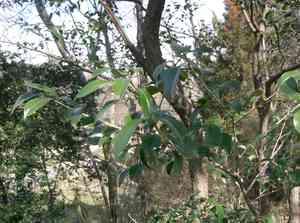
A robust, leaf-shedding bush recognized for its palatable fruits and vivid leaves, sea bilberry flourishes with judicious trimming to preserve its form and stimulate productive development. Perform pruning during its winter resting phase, eliminating lifeless or excessively dense branches to boost air movement. Reducing the number of mature stalks encourages fresh sprouts, thereby improving berry yield. Refrain from extensive pruning to retain its inherent structure and avert strain on the plant.
What Are the Benefits of Pruning Sea Bilberry?
What Are the Benefits of Pruning Sea Bilberry?
Trimming sea bilberry promotes robust development and helps maintain its desired form, ensuring an attractive appearance while fostering optimal plant health and yield.
What Is the Best Time for Pruning Sea Bilberry?
What Is the Best Time for Pruning Sea Bilberry?
Trimming sea bilberry in late winter, just prior to the spring growth surge, is considered ideal. This timing allows for the removal of dead or damaged branches from winter stress without harming new growth. Pruning at this time stimulates healthy new growth in spring, aligns with sea bilberry's dormant period, and avoids cutting off flower buds that could reduce fruit production. Dormant season pruning also minimizes disease and pest risk, as these issues are less common in cold weather. Post-harvest pruning can also be beneficial by improving light penetration and air circulation, which are vital for sea bilberry's health and productivity.
What Tools Do I Need to Prune Sea Bilberry?
Hand Pruners
For precise cuts on young or smaller stems, hand pruners are perfect for sea bilberry. They enable clean, close cuts without harming the plant's delicate branches.
Loppers
Loppers are excellent for reaching into dense foliage to trim thicker branches that hand pruners cannot manage. Using loppers helps maintain sea bilberry's health by allowing gardeners to make precise cuts on branches up to 1.5 inches thick.
Pruning Saws
For the thickest branches of sea bilberry, a pruning saw is essential. This tool allows cutting through wood up to 5 inches in diameter, ensuring even the most mature stems can be efficiently pruned.
Hedge Shears
If a gardener needs to shape the sea bilberry or maintain a formal hedge, hedge shears are the appropriate tool. They allow for neat, straight cuts across multiple small stems and leaves.
How to Prune Sea Bilberry
Clean tools
Sanitize pruning shears and other cutting implements to prevent disease transmission when trimming sea bilberry.
Remove dead branches
Cut away dead branches at their base or back to a healthy side shoot, ensuring clean cuts to aid sea bilberry's healing process.
Cut diseased branches
Identify and carefully remove diseased branches, cutting well below affected areas to help prevent the spread of illness in sea bilberry.
Disposal
Promptly dispose of removed dead and diseased material away from healthy sea bilberry plants to prevent re-contamination.
Inspect plant
After pruning, examine sea bilberry to ensure no dead or diseased branches remain and the plant maintains a balanced structure.
Common Pruning Mistakes with Sea Bilberry
Overpruning
Removing too much growth can stress sea bilberry, impeding its development and reducing its capacity to flower or produce fruit.
Improper cleaning
Failing to sterilize pruning tools can introduce pathogens to sea bilberry, potentially leading to infection and disease.
Cutting technique
Incorrect cutting angles or positions may harm sea bilberry by creating wounds that do not heal properly, or by leaving stubs where pests can settle.
Pruning new shoots
Trimming new, green shoots too early might limit the upcoming blooms or fruit, as these parts may contain embryonic flower or fruit structures.
Neglecting dead material
Neglecting to remove dead or diseased wood could diminish air circulation and light penetration, impeding sea bilberry's vigor.
Common Pruning Tips for Sea Bilberry
Selective pruning
Focus on thinning out crowded areas in sea bilberry to improve light penetration and air circulation, encouraging healthy growth.
Three cut rule
For larger branches, use the three-cut technique: make an undercut first, then a top cut slightly further out to prevent tearing, finishing with a clean cut at the branch collar.
Disinfection
Disinfect pruning tools with alcohol or a bleach solution before and after pruning sea bilberry to minimize the risk of disease spread.
Natural shape maintenance
Prune sea bilberry while maintaining its natural shape, enhancing its aesthetic and preventing unnecessary stress on the plant.
Progressive pruning
For a more extensive pruning, spread it out over several seasons rather than doing it all at once, to avoid over-stressing sea bilberry.



