How to Prune Swollen bladderwort?
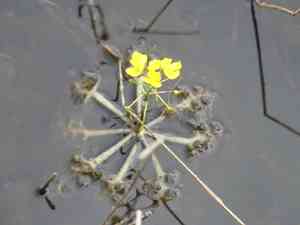
This carnivorous water plant, recognized for its buoyant sacs that ensnare prey, flourishes with judicious trimming. Eliminate discolored or deceased leaves and faded flowers early in the cultivation period to foster vigorous development and blooming. Trimming during spring and summer coincides with Utricularia inflata's period of active development. When pruning, preserve the floating components to ensure correct buoyancy and prey acquisition. Prompt trimming also aids in managing proliferation and encouraging more substantial traps.
Advantages of Trimming Swollen Bladderwort
Advantages of Trimming Swollen Bladderwort
Trimming swollen bladderwort encourages robust development and helps maintain its form. Strategic cutting back promotes a more compact shape, allowing for improved light penetration to stimulate strong shoots, enhancing the plant's overall health and vigor.
Optimal Period for Trimming Swollen Bladderwort
Optimal Period for Trimming Swollen Bladderwort
Trimming or cutting back swollen bladderwort in Spring coincides with the start of the growing season, as the plant emerges from dormancy and begins active growth. This timing allows the plant to quickly recover from cuts and utilize stored energy for new growth, which is crucial for aquatic species like swollen bladderwort with distinct seasonal growth patterns. Pruning at this time can also shape the plant and remove any winter-damaged tissues, providing a cleaner start for the season's growth. Summer trimming is beneficial for addressing any overgrowth or crowded conditions that may have developed due to the rapid growth typical of swollen bladderwort. By trimming in Summer, gardeners can preserve the plant's desired appearance, ensure optimal sunlight exposure for photosynthesis, and prevent detrimental shading of other aquatic species. Additionally, this timing avoids the plant's flowering period, preventing the removal of blooms and subsequent disruption of its reproductive cycle. Consistent maintenance during these seasons helps sustain the plant's health, vitality, and prevents potential decay processes that could impact water quality in its aquatic environment.
Necessary Tools for Trimming Swollen Bladderwort
Fine Pointed Scissors
These scissors enable precise cuts and are gentle on swollen bladderwort's delicate floating structures. They facilitate accuracy in snipping off unwanted parts without harming adjacent bladders or foliage.
Spring-loaded Pruning Snips
Such snips offer ease of use and can help perform quick trimming with minimal effort. They're especially useful for removing spent blooms or dead material from swollen bladderwort.
Tweezers
Tweezers can be used to selectively remove dead or decaying matter from swollen bladderwort without causing harm to the small, sensitive traps or leaves.
Aquatic Plant Trimmers
If swollen bladderwort is grown in an aquatic environment, these specialized trimmers allow for underwater pruning, ensuring minimal disturbance to both the plant and its aquatic habitat.
How to Trim Swollen Bladderwort
Clean tools
Before starting, clean and sterilize your pruning tools to prevent the spread of diseases to swollen bladderwort.
Remove diseased leaves
Carefully snip off any diseased leaves at their base, ensuring you do not damage nearby healthy tissue of swollen bladderwort.
Remove withered leaves
Identify withered leaves, which may appear shriveled or discolored, and trim them at the base to maintain the aesthetics and health of swollen bladderwort.
Cut diseased stems
If any stems show signs of disease, such as unusual spots or rot, cut them back to a healthy part ensuring a clean cut to aid the healing process of swollen bladderwort.
Dispose waste
Dispose of all removed material far from swollen bladderwort's growing area to minimize the risk of disease spread or reinfection.
Common Trimming Errors with Swollen Bladderwort
Over-pruning
Removing too much growth from swollen bladderwort can weaken the plant, reduce its buoyancy, and impede its ability to capture prey, thus compromising its overall health.
Incorrect technique
Using blunt or dirty tools may damage the delicate structures of swollen bladderwort or introduce diseases. It's important to use sharp, clean tools to make precise cuts.
Pruning healthy bladders
Removing the healthy, functional bladders, which are essential for nutrient capture, can starve swollen bladderwort and stunt its growth.
Neglecting to remove dead matter
Failing to remove dead or decaying parts of swollen bladderwort can attract pests and diseases, which can affect its growth and vigor.
Common Trimming Advice for Swollen Bladderwort
Selective trimming
Carefully trim only the yellowing or dead foliage to maintain the health and aesthetic appeal of swollen bladderwort, leaving healthy growth and bladders intact.
Post-flowering maintenance
After flowering, remove spent blooms to encourage new growth and potentially more flowers, ensuring that energy is directed towards healthy parts of swollen bladderwort.
Sterilization of tools
Clean pruning tools before use on swollen bladderwort to prevent the spread of pathogens. Sterilize tools with alcohol or a bleach solution after each use.
Gentle handling
Due to swollen bladderwort's delicate structure, handle the plant gently during pruning to avoid damaging its bladders and foliage.
Consistency
Regularly inspect swollen bladderwort for dead or decaying material, and remove it as needed to prevent issues from arising and maintain plant health.



