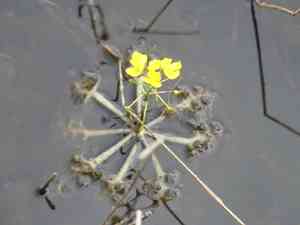
Swollen bladderwort (Utricularia inflata)
Also known as: Swollen Bladderwort
Utricularia inflata, also known as the swollen bladderwort, is a carnivorous aquatic plant that captures small organisms, particularly tiny crustaceans. Unlike traditional plants, it lacks true roots. This species thrives in freshwater habitats such as ditches, swamps, and lakes. While many carnivorous plants face the threat of endangerment, the swollen bladderwort is notable for its invasive nature.
In This Article
Attributes of Swollen bladderwort
Lifespan
Perennial
Plant Type
Herb
Plant Height
0 mm to 2.5 m
Spread
15 cm to 25 cm
Leaf Color
Green
Flower Size
2.5 cm to 8 cm
Flower Color
Yellow Gold
Images of Swollen bladderwort
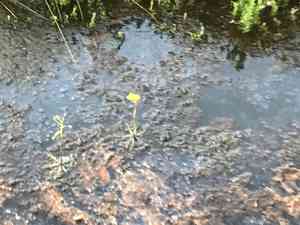

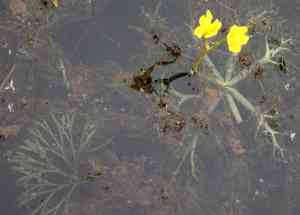
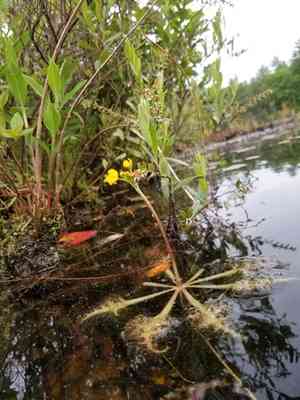
Quickly Identify Swollen bladderwort
1
Unique flotation system with inflated structures and branched spokes for buoyancy.
2
Vibrant yellow snapdragon-like flowers, 0.5 inches (1.3 cm) in diameter, in clusters.
3
Spherical capsules with dry, papery texture and balloon-like appearance for seed dispersal.
4
Filamentous, feathery 'leaf' structures, 0.2 to 2 inches (0.5 to 5 cm) long.
5
Fine segmented texture of leaves, lacking true veins, in green to yellowish-green hues.
Scientific Classification of Swollen bladderwort
Phylum
Vascular plants
Class
Dicotyledons
Order
Lamiales
Family
Bladderworts
Genus
Bladderworts
Species
Swollen bladderwort
Planting and Growing of Swollen bladderwort
Care Difficulty
Moderate
Watering Schedule
Every 8 days
Sunlight Requirements
Partial sun
Sunshine Duration
4-8 hours
Ideal Temperature
70-80℉
Soil Type
Potting Mix, Peat Mix
Soil pH
5.5-6.5
Fertilizer Type
Balanced
Pruning Season
Spring, Summer
Pruning Area
Branches, Leaves
Pruning Frequency
2 times a year
Repotting Season
Spring
Pot Type
Ceramic, Plastic
 How to Water Swollen bladderwort?
Utricularia inflata thrives with water saturation yet requires just enough to keep the soil consistently moist without turning it muddy. Aim to water with around 250 ml each time, ensuring that the soil feels damp to the touch but has no standing water on top.
What are the symptoms of an underwatered Swollen bladderwort?
›
What should I do if my Swollen bladderwort is not getting enough water?
›
What are the symptoms of an overwatered Swollen bladderwort?
›
How to save an overwatered Swollen bladderwort?
›
 What Are the Sunlight Requirements for Swollen bladderwort?
Partial sun to full sun exposure ensures efficient photosynthesis and maintains the plant's ecological functions, such as nutrient trapping and growth vigor.
More About Sunlight Requirements Techniques→
What is the ideal light condition for Utricularia inflata?
›
How can I ensure Utricularia inflata receives ideal lighting?
›
What benefits does Utricularia inflata gain from ideal lighting?
›
 What Is the Ideal Temperature Range for Swollen bladderwort?
The ideal temperature range for Utricularia inflata encompasses a comfortable span from 70 to 80 degrees Fahrenheit. Ensuring these conditions can help the plant thrive and exhibit improved growth and vibrant health.
 What Soil is Best for Swollen bladderwort?
Utricularia inflata thrives in consistently moist soil, making peat-based substrates ideal for its growth. The moisture not only provides the necessary environment for its delicate roots but also helps in maintaining the hydration required for its active trapping mechanism. This plant is adapted to grow in nutrient-poor soils, like peat. Excess nutrients can be detrimental, so it's important to avoid enriched substrates. The lack of nutrients encourages Utricularia inflata to rely on its carnivorous instincts, capturing prey for optimal growth. An acidic soil environment, with a pH ranging between 5.5 and 6.5, is essential for Utricularia inflata. This pH range supports the biological processes of the plant, ensuring proper enzymatic activity crucial for its carnivorous lifestyle.
 How to Fertilize Swollen bladderwort?
For Utricularia inflata, a modest application of fertilizer is recommended. Ideally, use a half-strength of a balanced liquid fertilizer. Apply only about 1-2 teaspoons per gallon of water to prevent any nutrient overdose since this plant is quite sensitive to high nutrient levels.
 How to Prune Swollen bladderwort?
To begin pruning, carefully observe your Utricularia inflata and look for older, darker stems. These provide minimal benefit and can be trimmed to stimulate new growth. Use sharp scissors or pruning shears to make clean cuts. After removing old stems, focus on areas where new shoots are emerging. Trimming around these fresh shoots can encourage healthier, bushier growth. Take care not to damage the emerging buds during this process.
More About Pruning Techniques→
 How to Propagate Swollen bladderwort plant?
1
Before beginning division, ensure the plant is healthy and well-watered. This preparation strengthens the plant and reduces stress during the division process.
2
Gently remove the plant from its container and separate the clumps of roots. Use a sharp knife if necessary to divide the plant into sections, each with sufficient roots and foliage.
3
Collect seeds after flowering. Sow them in a moist, sterile medium in small containers, maintaining high humidity and warm temperatures for successful germination.
 How to Repot Swollen bladderwort plant?
1
Utricularia inflata shows signs of needing a repotting when its growth becomes sluggish or you notice roots peeking from the drainage holes. Also, if the soil appears compacted or waterlogged, it's time. These changes usually occur every couple of years, coinciding with the warmer seasons when the plant is more actively growing.
2
When choosing a pot for Utricularia inflata, opt for a slightly larger size than its current container. Ensure the pot has adequate drainage holes to mimic its natural, boggy habitat while preventing waterlogging. A pot with a wide surface area is also beneficial as it allows the plant to spread naturally.
3
Utricularia inflata thrives in a peat-rich, low-nutrient soil mix. This composition mimics its natural, nutrient-poor bog environment. Such soil helps retain moisture while preventing root rot, nourishing the plant's delicate root system without overwhelming it with nutrients.



