How to Prune Nettle tree?
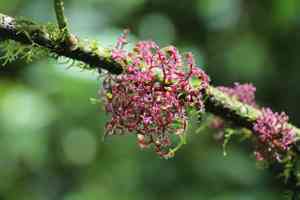
This prickly perennial features cordate foliage and irritating bristles. Trim nettle tree in the dormant winter period, concentrating on lifeless, ailing, or excessively dense branches to enhance airflow and minimize infestations. Wear protective gloves to avoid skin discomfort. Regular pruning helps preserve its form and encourages robust development. Always sanitize implements to avert disease transmission.
What Are the Benefits of Pruning Nettle Tree?
What Are the Benefits of Pruning Nettle Tree?
Trimming nettle tree encourages robust development and helps maintain its desired form, resulting in a more managed and visually pleasing presence in gardens.
What Is the Best Time for Pruning Nettle Tree?
What Is the Best Time for Pruning Nettle Tree?
Trimming nettle tree from late winter to early spring is optimal as the plant is typically dormant, meaning active growth has slowed or stopped. This timing allows gardeners to shape the plant without impeding new growth that emerges in spring. Furthermore, it minimizes stress and permits nettle tree to recover before the growth cycle resumes, lowering the risk of disease and pest infestation that can occur with open wounds during more vulnerable growth phases. Pruning before the start of the wet season can also be beneficial as it allows cuts to dry and heal in drier conditions, further reducing disease risk. Removing dead or excessive growth at this stage helps nettle tree direct energy into producing strong new growth and abundant foliage once the growing season begins. It is also easier for gardeners to discern the plant's structure without leaves, enabling more strategic cuts.
What Tools Do I Need to Prune Nettle Tree?
Bypass Pruners
Perfect for making clean cuts on the young, green stems of nettle tree without crushing the plant tissue.
Loppers
Equipped with long handles for leverage, loppers are excellent for cutting through thicker branches of nettle tree that are hard to reach or require more force.
Pruning Saw
For the older, woody growth of nettle tree, a pruning saw is essential to handle branches too thick for loppers without harming the surrounding stem.
Protective Gloves
Given the irritating hairs that may be present on nettle tree, sturdy gloves are crucial to protect hands while trimming.
Pole Pruner
If nettle tree has grown tall and there are branches out of reach from the ground, a pole pruner allows for the safe trimming of high limbs.
Secateurs
Designed for smaller branches and ideal for shaping nettle tree or for thinning out dense growth.
Garden Shears
Useful for trimming and shaping hedges if nettle tree is grown as a hedge plant, allowing for even and symmetrical cuts over a wider area.
How to Prune Nettle Tree
Preparation
Wear protective clothing and gloves to avoid contact with nettle tree's irritant hairs. Ensure all trimming tools are clean and sharp to make precise cuts and prevent disease spread.
Sanitation
Inspect nettle tree for any dead or diseased branches. Use the pruning shears or loppers to remove these parts by cutting them back to the main stem or a healthy lateral branch.
Thinning
Thin out crowded areas to improve light penetration and air circulation within nettle tree's canopy. Cut selected branches back to their point of origin, making sure not to remove more than one-third of the plant's overall growth.
Shaping
After removing dead and diseased material, shape nettle tree by selectively trimming to maintain or encourage its desired form. Make cuts just above leaf nodes at a 45-degree angle facing away from the center of the plant.
Common Pruning Mistakes with Nettle Tree
Over pruning
Cutting back too much of nettle tree's foliage at once can stress the plant and hinder its ability to photosynthesize efficiently.
Ignoring disease prevention
Failing to sterilize trimming tools can introduce pathogens and spread disease to nettle tree, compromising its health.
Incorrect cut
Making improper cuts can damage nettle tree's branches, leading to unsightly wounds and potential for disease.
Neglecting tool maintenance
Using dull or dirty tools for trimming can cause ragged cuts, which heal poorly and may attract pests or diseases to nettle tree.
Pruning healthy growth
Removing healthy growth indiscriminately can prevent nettle tree from flowering effectively and reduce its ornamental value.
Forceful pruning
Being too forceful when trimming can cause unnecessary damage to nettle tree's remaining stems and leaves, impacting its overall vigor and appearance.
Common Pruning Tips for Nettle Tree
Clean tools
Ensure trimming tools are clean and sharp before starting to make clean, precise cuts that heal quickly for nettle tree.
Angle cuts
Cut branches on a 45-degree angle away from a bud to encourage proper healing and to direct new growth in nettle tree.
Thin interior
Thin out the interior of nettle tree's canopy to improve air circulation and light penetration, which aids plant health and blooming potential.
Prune for shape
Trim nettle tree with purpose, shaping the plant to maintain its natural habit and increase aesthetic appeal.
Remove damage
Promptly remove damaged, diseased, or dead branches from nettle tree to avoid further stress and to promote healthy regrowth.
Encourage flowering
Trim the spent flowers and seed heads of nettle tree to stimulate the production of new flowers and conserve the plant's energy.



