How to Prune Illscented wakerobin?
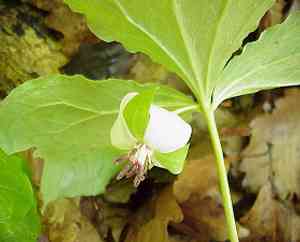
Illscented wakerobin, a perennial that thrives in shaded conditions and features unique three-petaled blossoms, typically needs only light trimming to eliminate deceased or injured leaves and to foster robust development. The most suitable periods for this maintenance are spring, summer, and autumn, coinciding with the plant's vigorous growth cycles. Consistent trimming during these periods aids in preserving its visual attractiveness and averting ailments by improving air movement among its leaves. Cultivators must ensure every incision is precise to prevent causing stress to illscented wakerobin.
What Are the Benefits of Pruning Illscented Wakerobin?
What Are the Benefits of Pruning Illscented Wakerobin?
Trimming illscented wakerobin encourages more robust development and stimulates blooming. It assists in maintaining its form, ensuring illscented wakerobin stays visually appealing and vigorous.
What Is the Best Time for Pruning Illscented Wakerobin?
What Is the Best Time for Pruning Illscented Wakerobin?
Trimming illscented wakerobin during Spring, Summer, and Fall aligns with its active growth periods, ensuring the plant recovers effectively and sustains vitality. In Spring, pruning right after the bloom period promotes strong growth and helps shape the plant for the coming seasons. Summer pruning is useful for removing any dead or overgrown foliage, which improves light penetration and air circulation, vital for preventing disease. Fall pruning should be minimal, focusing only on removing dead or diseased sections to prepare illscented wakerobin for winter dormancy. Avoiding winter pruning is recommended as it can stress the plant during its rest phase when it conserves energy for the next growing cycle.
What Tools Do I Need to Prune Illscented Wakerobin?
Hand pruners
These are perfect for making precise cuts on illscented wakerobin's delicate stems, allowing for careful shaping or removal of dead or damaged parts without harming the plant's main structure.
Gardening scissors
Smaller than typical pruners, these scissors can be used for fine-tuning and trimming illscented wakerobin's smaller or harder-to-reach areas, ensuring the plant maintains its aesthetic without unnecessary damage to its foliage.
How to Prune Illscented Wakerobin
Identification
Identify and evaluate the health of illscented wakerobin's leaves and flowers. Specifically look for diseased or withered leaves and faded flowers, which can be identified by discoloration, spots, or dry, crumpled textures.
Sanitation
Sanitize your pruning tools before you begin trimming. Use a solution of bleach or rubbing alcohol to wipe the blades, preventing the spread of any disease to healthy parts of illscented wakerobin.
Pruning diseased leaves
Carefully remove diseased leaves by cutting them at the base where they connect to the stem. Use sharp scissors or pruning shears for a clean cut, which helps prevent damage to the healthy parts of illscented wakerobin.
Pruning withered elements
Trim all withered leaves and flowers, using the same method as for diseased leaves. Make cuts close to the stem to encourage better growth and appearance of illscented wakerobin.
Cleanup
Dispose of all removed parts properly to prevent the spread of any potential disease. Compost healthy plant material, but discard diseased material in the trash or by burning, if allowed, to avoid contaminating compost piles.
Common Pruning Mistakes with Illscented Wakerobin
Over-pruning
A common error is excessive pruning of illscented wakerobin, which can lead to stress and reduced flowering. This plant typically needs minimal trimming, and overzealous cutting can hinder its ability to flourish.
Removing too many leaves
Beginner gardeners often mistakenly remove too many leaves, which are vital for photosynthesis and energy production in illscented wakerobin. It's crucial to retain a significant portion of the foliage to ensure the plant remains healthy.
Improper cutting technique
Using dull or unclean pruning tools can harm the delicate stems of illscented wakerobin, potentially introducing disease. Always use sharp and sterilized tools to make clean cuts.
Common Pruning Tips for Illscented Wakerobin
Minimal pruning
Since illscented wakerobin generally requires little upkeep, focus on removing only dead or diseased tissue. This helps prevent spreading pathogens and allows the plant to direct energy towards healthy growth.
Post-flowering pruning
If pruning is necessary, the best approach for illscented wakerobin is to prune immediately after the flowers have faded. This timing helps the plant to concentrate on building up resources for the next season.
Careful leaf management
Ensure to leave an adequate number of leaves on illscented wakerobin during pruning. Leaves are essential for the plant's overall health and energy, especially crucial after flowering to support next year's growth.



