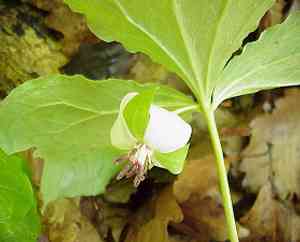
Illscented wakerobin (Trillium rugelii)
Also known as: Southern Nodding Trillium, Southern Trillium
The ill-scented wakerobin (*Trillium rugelii*) is named after Ferdinand Rugel, a botanist who lived from 1806 to 1879. This plant is known for its large flowers, which are bigger than those of the similar *Trillium cernuum*. The name "ill-scented" is fitting because the plant emits a notably unpleasant odor to human noses.
In This Article
Attributes of Illscented wakerobin
Lifespan
Perennial
Plant Type
Herb
Plant Height
40 cm
Spread
30 cm
Leaf Color
Green
Flower Size
2-5 cm
Flower Color
White Purple Green
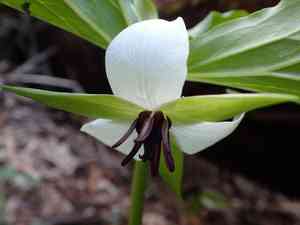
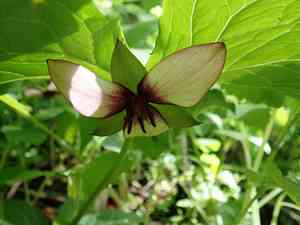
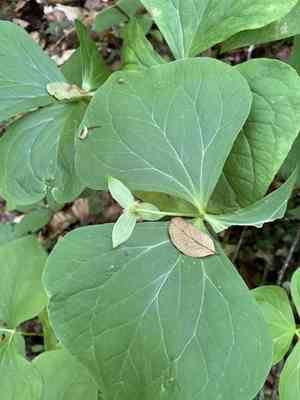
Images of Illscented wakerobin
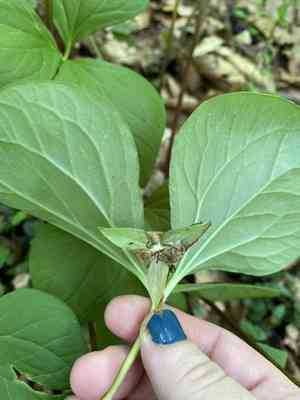
Quickly Identify Illscented wakerobin
1
Look for the distinctive nodding white flowers and three large, whorled leaves. The leaves are usually mottled with lighter and darker green patches.
Scientific Classification of Illscented wakerobin
Phylum
Vascular plants
Class
Monocotyledons
Order
Liliales
Family
Bunchflower
Genus
Birthroots
Species
Illscented wakerobin
Planting and Growing of Illscented wakerobin
Care Difficulty
Hard
Watering Schedule
Every 2 days
Sunlight Requirements
Partial sun
Sunshine Duration
6-8 hours
Ideal Temperature
60-75℉
Soil Type
Potting Mix, Peat Mix
Soil pH
5.5-6.5
Fertilizer Type
Balanced
Pruning Season
Spring, Summer
Pruning Area
Branches, Leaves
Pruning Frequency
2 times a year
Repotting Season
Spring
Pot Type
Plastic, Ceramic
 How to Water Illscented wakerobin?
To properly water Trillium rugelii, aim for a gentle, deep soak, about 250 milliliters, ensuring that the soil is uniformly moist without becoming waterlogged. Let the top inch of soil dry out between waterings.
What are the symptoms of an underwatered Illscented wakerobin?
›
What should I do if my Illscented wakerobin is not getting enough water?
›
What are the symptoms of an overwatered Illscented wakerobin?
›
How to save an overwatered Illscented wakerobin?
›
 What Are the Sunlight Requirements for Illscented wakerobin?
Partial sun to full shade ensures Trillium rugelii flourishes. This range protects it from harsh conditions while promoting lush foliage and survival.
What is the optimal light condition for Trillium rugelii?
›
How to achieve these lighting conditions?
›
What are the benefits of ideal lighting?
›
 What Is the Ideal Temperature Range for Illscented wakerobin?
The ideal temperature range for Trillium rugelii lies between 60°F to 75°F. This range optimally supports the plant's physiological processes and growth patterns. Maintaining temperatures within this range ensures healthy development, lush foliage, and vibrant blooms. Adhering to this range helps in maximizing the plant's lifespan and photosynthesis efficiency.
 What Soil is Best for Illscented wakerobin?
Trillium rugelii thrives in soils that retain moisture but still allow for adequate drainage. This ensures that the roots are hydrated without being waterlogged, promoting healthy growth and preventing rot. Soils rich in organic matter provide essential nutrients and improve soil structure. This results in a nutrient-dense environment essential for Trillium rugelii, fostering vibrant foliage and robust blooms. Though it requires moisture, well-drained soil prevents root rot in Trillium rugelii. Proper drainage ensures that excess water does not accumulate, allowing roots to breathe and absorb nutrients efficiently.
 How to Fertilize Illscented wakerobin?
When fertilizing Trillium rugelii, use a balanced, water-soluble fertilizer. A general guideline is to use about half the manufacturer's recommended rate to avoid over-fertilization. This ensures the plant receives nutrients without causing root burn or leaf damage.
 How to Prune Illscented wakerobin?
Begin by inspecting the plant for any signs of dead or damaged leaves, which are typically brown or withered. Using a pair of sharp pruning shears, carefully trim these leaves at the base to prevent any potential spread of disease. Regular maintenance is key to keeping Trillium rugelii healthy. By removing damaged parts, you allow the plant to focus its energies on thriving rather than repairing dead tissue.
More About Pruning Techniques→
 How to Propagate Illscented wakerobin plant?
1
Collect seeds from the mature Trillium rugelii plants in late summer or autumn. Sow seeds in a seed tray filled with a moist, sandy soil mix. Ensure the seeds are covered lightly with soil and place the tray in a shaded area. Keep the soil consistently moist, but not waterlogged, until germination occurs in spring.
2
Identify mature, healthy Trillium rugelii plants. Carefully dig up the rhizomes, ensuring not to damage them. Use a sharp knife or spade to cut the rhizomes into sections, each with at least one bud. Replant the divisions promptly in well-drained, shaded soil, and water thoroughly.
3
Choose a planting site that mimics the plant's natural woodland habitat. The soil should be well-draining and rich in organic matter. Amend the soil with leaf mold or compost if necessary. Ensure the area is shaded to maintain the required temperature and moisture levels.
 How to Repot Illscented wakerobin plant?
1
Trillium rugelii needs repotting when roots start to crowd the pot or if you notice reduced growth. Early spring is ideal, just as the plant begins to awaken from dormancy. This gives the plant a better chance to establish itself in the fresh soil.
2
Select a pot that is one size larger than the current one, preferably clay or ceramic to allow breathability. Ensure it has ample drainage holes to prevent waterlogging. The right pot size, coupled with good material, promotes healthy root development and prevents root rot.
3
Opt for well-draining, rich loamy soil with organic matter to mimic Trillium rugelii's natural habitat. Such soil composition ensures adequate nutrient supply while maintaining the right moisture balance, preventing water retention issues.
Learn More About Illscented wakerobin Diseases
Anthracnose
Bacterial Leaf Spot
Bacterial Soft Rot
Bacterial Wilt
Crown Gall
Cyst Nematode
Damping-off
Downy Mildew
Drought Stress
Fusarium Wilt
Gray Mold
Leaf Spot
Mosaic
Nutrient Deficiency
Nutrient Toxicity
Powdery Mildew
Root Rot
Root-knot Nematode
Rusts
Sooty Mold
Spider Mites
Temperature Stress
Thrips Damage
White Mold



