How to Prune Lupine clover?
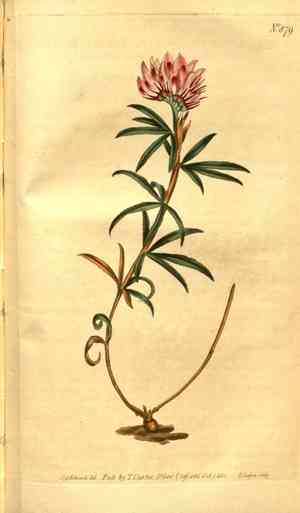
This perennial herb, known for its nitrogen-fixing properties, features three-part leaves and colorful blossoms. For lupine clover, trimming is recommended after the flowering period to foster a denser growth habit and inhibit unwanted seed dispersal. The most suitable periods are late spring or early summer, following the initial bloom. Meticulous removal of faded flowers can additionally stimulate a subsequent flowering cycle. Consistent removal of withered blooms and compromised stalks preserves the plant's health and visual attractiveness, simultaneously managing its expansion in cultivated areas.
What Are the Benefits of Pruning Lupine Clover?
What Are the Benefits of Pruning Lupine Clover?
Trimming lupine clover stimulates robust development and preserves its form, ensuring the plant stays compact and flourishes. Consistent cutting fosters a denser habit, potentially leading to more abundant flowers, enhancing both vitality and visual appeal.
What Is the Best Time for Pruning Lupine Clover?
What Is the Best Time for Pruning Lupine Clover?
Trimming lupine clover early in the growing season, such as spring and early summer, is most advantageous. This timing aligns with the plant's natural growth cycle, encouraging strong development and providing optimal conditions for wound recovery. Pruning during this period allows gardeners to shape the plant and manage its size before the main seasonal growth. It also helps to stimulate new growth, which can contribute to a more prolific flowering phase. Additionally, removing faded flowers after the initial bloom in early summer can encourage a second flowering cycle and prevent the plant from expending energy on seed production, which could otherwise diminish overall plant vigor. Avoiding pruning in late summer and fall is crucial, as this might stimulate new growth that may not harden off in time before colder weather, potentially leading to frost damage.
What Tools Do I Need to Prune Lupine Clover?
Hand Pruners
Perfect for cutting slender stems and can easily shape lupine clover without harming its delicate structure.
Pruning Shears
Ideal for snipping blooms or deadheading lupine clover to promote flowering and prevent self-seeding, which is important for maintaining plant health and appearance.
Gloves
Crucial for safeguarding the gardener's hands from thorns and rough plant material during the pruning process of lupine clover.
Garden Scissors
Useful for precise trimming of lupine clover's small leaves and stems, especially in confined areas where larger tools won't fit.
How to Prune Lupine Clover
Sterilize
Before starting to prune lupine clover, ensure all pruning tools are disinfected to prevent disease transmission.
Diseased leaves
Identify and gently remove any foliage showing signs of illness. Dispose of these leaves properly to avoid soil contamination.
Withered leaves
Locate leaves on lupine clover that are dried or dead, and carefully snip them at the base of the leaf stem, avoiding damage to healthy tissue.
Diseased stems
Examine lupine clover for any unhealthy stems and use sharp, sanitized shears to make clean cuts well below the affected areas to remove them entirely.
Healthy growth
After pruning, check lupine clover for any signs of stress and ensure it has the necessary conditions to encourage robust new growth.
Common Pruning Mistakes with Lupine Clover
Over-pruning
Removing too much foliage at once can stress lupine clover, leading to stunted growth or reduced vitality. Gardeners should avoid cutting away more than a third of the plant's growth.
Improper cut locations
Cutting lupine clover in the wrong spot can lead to damage or uneven regrowth. Prune just above a leaf node or branching point to encourage healthy new growth.
Using dull tools
Utilizing dull or unclean pruning tools can result in jagged cuts and increase the risk of disease. Always use sharp, clean shears for making precise cuts.
Ignoring dead material
Failing to remove dead or diseased foliage can impede lupine clover's growth and health. Regular removal of such material is essential.
Neglecting plant shape
Ignoring the natural shape of lupine clover during pruning can lead to an unnatural appearance and poor growth patterns. Gardeners should aim to maintain the plant's inherent form.
Common Pruning Tips for Lupine Clover
Sharp clean cuts
Make precise cuts using sharpened pruning tools to minimize damage and promote rapid healing of the pruned areas.
Deadheading
Regular deadheading, or the removal of spent flowers, encourages lupine clover to produce more blooms and redirects energy away from seed production.
Shaping
To maintain the aesthetic and health of lupine clover, prune to shape the plant while keeping its natural form in mind, which can also help improve air circulation.
Health maintenance
Regularly inspect lupine clover for dead, diseased, or damaged areas and prune these out promptly to maintain overall plant health.
Selective thinning
Thin out crowded areas to ensure adequate light penetration and airflow, which are vital for preventing disease and promoting vigorous growth.



