
Lupine clover (Trifolium lupinaster)
Also known as: Lupine Clover
The Purple Passionflower (Passiflora incarnata) is a climbing perennial wildflower known for its striking purple blooms. These flowers appear in the summer and fall and rely on insect pollination. This plant typically thrives in various habitats, including forests and open fields.
In This Article
Attributes of Lupine clover
Lifespan
Perennial
Plant Type
Herb
Plant Height
30-50 cm
Spread
20-30 cm
Leaf Color
Green
Flower Size
1-2 cm
Flower Color
White Red Purple Pink
Images of Lupine clover
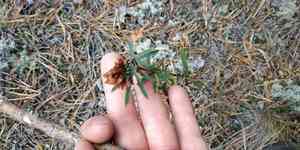
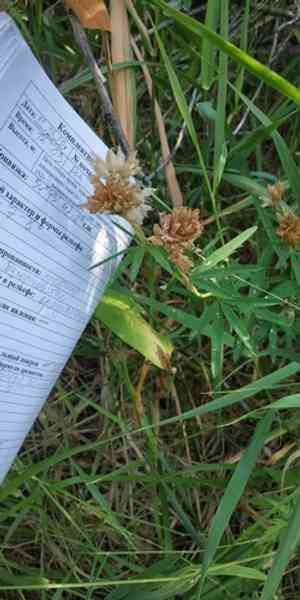
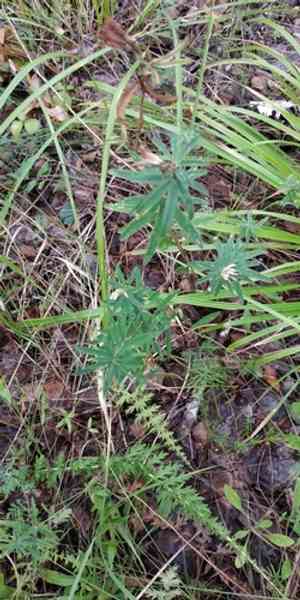
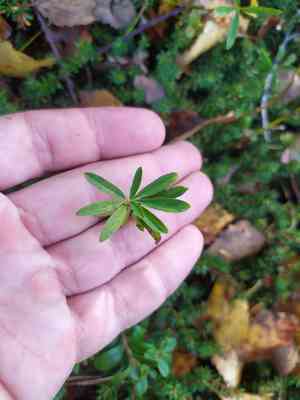
Quickly Identify Lupine clover
1
Trifolium lupinaster can be identified by its trifoliate leaves, with each leaflet being obovate to elliptical in shape, and its vibrant, purplish-pink, pea-like flowers. The flower clusters are borne on erect stems.
Scientific Classification of Lupine clover
Phylum
Vascular plants
Class
Dicotyledons
Order
Fabales
Family
Legume
Genus
Clovers
Species
Lupine clover
Planting and Growing of Lupine clover
Care Difficulty
Easy
Watering Schedule
Every 3 days
Sunlight Requirements
Full sun
Sunshine Duration
4-8 hours
Ideal Temperature
60-75℉
Soil Type
Potting Mix, Peat Mix
Soil pH
6.5-7.5
Fertilizer Type
Balanced
Pruning Season
Spring, Summer
Pruning Area
Branches, Leaves
Pruning Frequency
2 times a year
Repotting Season
Spring
Pot Type
Plastic, Ceramic
 How to Water Lupine clover?
For Trifolium lupinaster, it's crucial to maintain moderately moist soil without allowing it to become waterlogged. The ideal watering amount is about 250 milliliters per session. Ensure the water penetrates the soil thoroughly, reaching the root zone while avoiding excess that might lead to standing water.
What are the symptoms of an underwatered Lupine clover?
›
What should I do if my Lupine clover is not getting enough water?
›
What are the symptoms of an overwatered Lupine clover?
›
How to save an overwatered Lupine clover?
›
 What Are the Sunlight Requirements for Lupine clover?
Trifolium lupinaster ideally requires full sun to partial sun, receiving 6-8 hours of light daily. Proper light encourages lush growth and prolific flowering, maintaining the plant's vitality and ornamental beauty.
How much sunlight does it need?
›
How to achieve ideal lighting conditions?
›
What benefits does ideal light bring?
›
 What Is the Ideal Temperature Range for Lupine clover?
The ideal temperature range for Trifolium lupinaster, also known as the lupine clover, is between 60°F and 75°F. These temperatures promote optimal growth, allowing the plant to thrive without experiencing stress from excessive heat or cold. Within this range, physiological processes such as photosynthesis and respiration occur efficiently, leading to healthy foliage and blooms.
 What Soil is Best for Lupine clover?
Trifolium lupinaster thrives in soils that are well-drained, preventing waterlogging which can lead to root rot. Ensuring good drainage enhances root health and promotes vigorous growth. This plant prefers soils rich in organic matter, which provide essential nutrients for its growth. Nutrient-rich soils augment the plant's vitality and flowering potential. Optimal soil retains a moderate level of moisture without becoming waterlogged. This helps sustain the plant in periods of drought and enhances its resilience to varying climate conditions.
 How to Fertilize Lupine clover?
Trifolium lupinaster thrives with a balanced nutrient intake. Apply a moderate amount of liquid fertilizer, approximately 1 cup per plant for small specimens, or up to 3 cups for larger ones. The goal is to provide adequate nutrition without overwhelming the plant.
 How to Prune Lupine clover?
Prune your Trifolium lupinaster in spring just as new growth begins and continue through the summer. Pruning during these periods maximizes the plant's natural growth cycle and results in a healthier appearance. Regularly inspect your plant for dead, damaged, or diseased foliage. Prompt removal ensures the plant's energy is directed towards healthy growth, improving overall vigor and appearance.
More About Pruning Techniques→
 How to Propagate Lupine clover plant?
1
Harvest healthy seeds from a mature Trifolium lupinaster plant by gently removing dried seed pods. It's important to ensure the seeds are fully matured to increase germination success.
2
Use a well-draining potting mix with equal parts of sand, peat moss, and perlite. This mix allows for proper root aeration and water drainage, crucial for seedling establishment and cutting development.
3
Sow seeds shallowly in the soil mix and water lightly. For cuttings, insert them into the mix and ensure the soil is moist but not waterlogged. Watering should be gentle to avoid displacing seeds or cuttings.
 How to Repot Lupine clover plant?
1
Trifolium lupinaster shows signals for repotting when the roots are visibly outgrowing the container or when growth appears stunted. The best time to repot is during early spring or summer when the plant is actively growing, though ensuring it is not flowering or in distress is crucial. Repotting at the appropriate time ensures that the plant can quickly re-establish itself and continue thriving.
2
Choose a pot that is one size larger than the current one, with ample drainage holes to prevent waterlogging. This promotes healthy root growth and reduces the risk of root rot, ensuring that the plant has enough room to flourish without being overwhelmed by excess soil.
3
Opt for well-draining, slightly acidic soil rich in organic matter. This ensures that the plant receives the necessary nutrients while keeping the roots aerated and healthy, promoting vigorous growth and preventing issues like compaction and water retention.
Learn More About Lupine clover Diseases
Anthracnose
Bacterial Leaf Spot
Bacterial Wilt
Cyst Nematode
Damping-off
Downy Mildew
Drought Stress
Fusarium Wilt
Gray Mold
Leaf Curl
Leaf Spot
Mosaic
Nutrient Deficiency
Nutrient Toxicity
Powdery Mildew
Root Rot
Root-knot Nematode
Rusts
Sooty Mold
Spider Mites
Temperature Stress
Thrips Damage
White Mold



