How to Prune False rhodes grass?
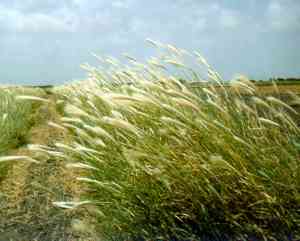
Chloris gayana is a robust grass recognized for its resistance to dry conditions and clustered development. Trim in late winter or early spring to sculpt and eliminate withered or compromised leaves. Reduce the plant to roughly six inches, fostering robust new shoots. Verify that implements are keen to avoid shredding. Consistent trimming boosts air movement and light exposure, thereby improving the plant's general well-being and strength.
What Are the Benefits of Pruning False Rhodes Grass?
What Are the Benefits of Pruning False Rhodes Grass?
Trimming false rhodes grass encourages robust development and maintains its form. It fosters stronger, healthier growth, helps manage plant size, and preserves an appealing look. This also aids in better air circulation and reduces pest problems.
What Is the Best Time for Pruning False Rhodes Grass?
What Is the Best Time for Pruning False Rhodes Grass?
Early spring and winter are optimal for trimming false rhodes grass as these periods coincide with the plant's dormant stage. Pruning during dormancy minimizes disease risk, as the plant is less susceptible to infections and pests. Furthermore, this timing avoids disrupting the active growth and flowering phases, promoting healthier regrowth and improved blooms in the subsequent cycle.
What Tools Do I Need to Prune False Rhodes Grass?
Bypass Pruners
These are crucial for precise cuts when handling smaller stems and leaves of false rhodes grass. They deliver clean cuts that minimize harm to the plant.
Hedge Shears
Ideal for cutting back larger sections of false rhodes grass to encourage healthy growth and maintain its shape. Their long blades are effective for managing the grass-like structure of false rhodes grass.
Grass Shears
Useful for detailed cutting and trimming of false rhodes grass at ground level. They offer enhanced control for preserving the plant's neat appearance.
Hand Trowel
Though not a pruning tool itself, a hand trowel is important for removing any dead parts of false rhodes grass from its base, ensuring healthy regeneration.
How to Prune False Rhodes Grass
Inspection
Thoroughly examine false rhodes grass to identify diseased or withered foliage. This initial check helps pinpoint the specific areas needing attention.
Cleaning tools
Sanitize your pruning shears with rubbing alcohol or a disinfectant to prevent disease transmission. This ensures a clean cut and healthy regrowth.
Removing diseased leaves
Carefully snip away diseased leaves, cutting at their base where they connect to the stem. Dispose of these leaves far from the plant to prevent re-infection.
Trimming withered leaves
Cut off withered leaves close to the stem. Be sure to leave a small portion of the stem intact to avoid damaging the plant.
Disposal and cleaning
Properly discard all trimmed leaves and clean your tools again to prevent the spread of any potential diseases to other plants.
Common Pruning Mistakes with False Rhodes Grass
Over-pruning
Removing too much of the plant can weaken false rhodes grass and make it more vulnerable to disease and other issues. It's vital to prune sparingly to maintain plant health.
Incorrect technique
Using dull or dirty tools can harm the plant and introduce pathogens. Always use clean, sharp pruning shears or scissors.
Pruning at the wrong time
While the best season for pruning is excluded, improper timing outside the recommended period can stress false rhodes grass, affecting its growth and overall health.
Not considering the plant's natural form
Pruning without understanding the natural growth pattern of false rhodes grass can result in awkward shapes and hinder natural development. Always follow the plant's inherent form.
Common Pruning Tips for False Rhodes Grass
Use clean, sharp tools
Ensure your pruning tools are sharp and disinfected to make clean cuts and prevent infection.
Prune conservatively
Remove only what is necessary, focusing on dead, damaged, or diseased tissues. This approach promotes healthier regrowth and avoids stressing the plant.
Cut at an angle
Make your cuts at a slight angle to encourage water runoff and reduce the risk of rot and disease at the cut site.
Observe the plant's structure
Understand and respect the natural growth habit of false rhodes grass to maintain its shape and encourage optimal health and growth.
Regular inspections
Routinely inspect false rhodes grass for signs of disease, pest infestations, or damage. Prune these areas promptly to prevent the spread of issues.



