How to Prune Florida trema?
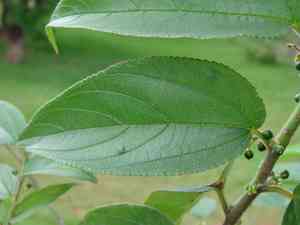
A robust, rapidly developing tree recognized for its versatility, florida trema significantly thrives with structural trimming. Essential methods involve reducing dense branches, eliminating lower boughs to elevate the crown, and shortening excessively long branches to preserve a symmetrical form. The most effective pruning period is in late winter or early spring to stimulate robust new development while lessening strain. Trimming fosters vitality, improves air movement, and lowers the likelihood of illness for florida trema.
Advantages of Trimming Florida Trema
Advantages of Trimming Florida Trema
Trimming florida trema promotes robust development, maintaining its desired form. This enables gardeners to manage size and foster a strong framework, enhancing the plantâs vigor and visual appeal.
Optimal Period for Trimming Florida Trema
Optimal Period for Trimming Florida Trema
Late winter and early spring are ideal for trimming florida trema as these seasons precede its new growth phase. Pruning in late winter, while the plant is dormant and before sap flow begins, minimizes stress and facilitates better wound healing. This timing also prevents disease transmission and reduces the likelihood of attracting pests, which are less active in colder months. Trimming in early spring encourages vigorous new growth, as florida trema can quickly recover and redirect energy to producing fresh shoots and leaves. This period also follows the coldest part of the year, preventing frost damage to fresh cuts. It's crucial to avoid pruning during flowering or fruiting, as this can diminish the plant's ability to produce fruits and flowers. By targeting late winter to early spring, gardeners help florida trema maintain a healthy structure and flourish throughout the growing season.
Tools Required for Trimming Florida Trema
Bypass Pruners
For precise cuts and shaping of florida trema, bypass pruners are suitable due to their capacity to make clean, healthy cuts on stems and small branches. They are perfect for cutting softwood and green living growth up to approximately 1/2 inch in diameter.
Loppers
For branches that are somewhat thicker, typically up to 1 1/2 to 2 inches in diameter, loppers will provide the necessary leverage for a clean cut without harming florida trema. Their long handles also allow access to higher branches.
Pruning Saw
For the larger branches of florida trema, a pruning saw is essential. It can manage branches over 1 1/2 inches in diameter, and its sharp teeth create clean cuts, reducing the risk of disease and damage to the plant.
Pole Pruner
If florida trema has grown tall and requires pruning at an elevated height, a pole pruner with a saw attachment enables the removal of higher branches without needing a ladder, ensuring safety and effectiveness in tree maintenance.
How to Trim Florida Trema
Sanitize Tools
Before beginning, disinfect your pruning shears to prevent the spread of diseases to florida trema.
Inspect
Carefully examine florida trema, identifying all dead branches, which often appear dry, brittle, and may lack leaves or bark.
Remove Dead Branches
Using the sanitized shears, cut dead branches where they meet healthy wood, making a clean, angled cut just above a bud or lateral branch.
Inspect for Disease
Look for signs of disease on florida trema, such as discoloration, unusual growths, or wilting leaves, and separate these diseased branches from healthy ones.
Remove Diseased
Prune diseased branches of florida trema by cutting well below the infected areas to ensure all diseased parts are removed, being careful not to damage healthy sections.
Common Trimming Errors with Florida Trema
Excessive Pruning
Removing too many branches and leaves, which can weaken florida trema and diminish its ability to photosynthesize effectively.
Incorrect Cut Placement
Cutting too close to the main stem or leaving too long a stub, which can cause florida trema to heal poorly and increase disease risk.
Using Dull Tools
Not using sharp pruning tools. Dull blades crush branches and stems, leading to damage and increasing the chance of disease in florida trema.
Neglecting Sanitation
Failing to clean tools between plants, potentially spreading disease to florida trema.
Pruning At Wrong Angle
Improperly angled cuts can direct water towards the center of florida trema, leading to rot or disease.
General Trimming Advice for Florida Trema
Selective Thinning
Thinning out crowded branches to improve air circulation and light penetration, which encourages healthy growth in florida trema.
Three Cut Method
For large branches, use the 'three-cut method' to prevent bark tearing: first, an undercut, then a cut further out to remove weight, and finally, a clean cut near the branch collar.
Appropriate Tool Selection
Use the correct tool for the branch size. Hand pruners for small branches and loppers or saws for larger branches of florida trema.
Stagger Pruning
Instead of cutting all the branches back at once, stagger pruning over several seasons to maintain the health and structure of florida trema.
Clean Cut
Make clean, diagonal cuts just above a leaf node or bud to promote healing and new growth in florida trema.



