How to Prune Zigzag spiderwort?
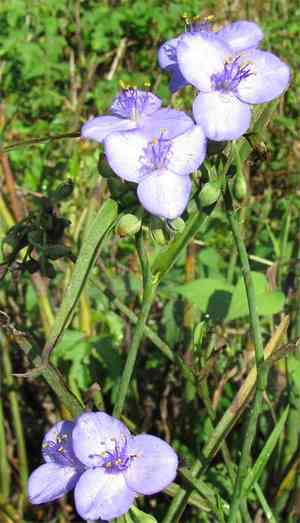
A perennial herb featuring trailing stems and three-sided leaves, zigzag spiderwort is frequently cultivated for its appealing foliage and blossoms. Trimming should concentrate on eliminating withered or discolored leaves and faded blooms to stimulate fresh development and improve its aesthetic. The ideal period to trim zigzag spiderwort is during spring and summer, aligning with its vigorous growth phases. Regular trimming benefits zigzag spiderwort by fostering a denser form and preventing sparse growth. Reducing elongated stems can revitalize the plant and preserve its preferred contour.
What Are the Benefits of Pruning Zigzag Spiderwort?
What Are the Benefits of Pruning Zigzag Spiderwort?
Trimming zigzag spiderwort promotes more robust development, as the removal of old or dead parts stimulates new shoots. Regular trimming also helps maintain its desired form and size, ensuring zigzag spiderwort remains visually appealing in a garden setting.
What Is the Best Time for Pruning Zigzag Spiderwort?
What Is the Best Time for Pruning Zigzag Spiderwort?
Trimming zigzag spiderwort in spring is optimal because it occurs after its dormant period and before the active growth phase, allowing it to channel energy into producing new growth and thriving post-trim. Early summer trimming benefits the plant's health and vitality by helping manage its size, removing any weak or damaged growth from spring, and shaping the plant for the remainder of the active season without hindering its flowering potential.
What Tools Do I Need to Prune Zigzag Spiderwort?
Sharp Bypass Pruners
Zigzag spiderwort often requires a precise, clean cut to remove spent blooms and to shape the plant. Bypass pruners are ideal as they provide a clean cut without crushing the stems.
Precision Snips
For thinning or trimming delicate areas of zigzag spiderwort, precision snips allow for accuracy without causing damage to adjacent stems or foliage.
Garden Scissors
When deadheading or taking cuttings from zigzag spiderwort, garden scissors are useful for making quick, straight cuts across the thinner stems.
Pruning Saw
If zigzag spiderwort has matured and developed thicker stems or branches, a pruning saw may be necessary to handle the larger diameter without harming the plant.
Gloves
To protect the gardener's hands from potential irritation while handling zigzag spiderwort, gloves are a basic but essential tool.
How to Prune Zigzag Spiderwort
Identify
Examine zigzag spiderwort carefully to locate diseased leaves, withered leaves, and diseased stems that require trimming.
Disinfect
Before starting, sanitize cutting tools with alcohol or a bleach solution to prevent the spread of disease during trimming.
Prune Leaves
Using sharp scissors or pruners, carefully cut away any diseased or withered leaves at the base of the stem. Ensure cuts are clean to promote swift healing.
Prune Stems
Identify any diseased stems on zigzag spiderwort. Make an angled cut just above a leaf node or side shoot to remove the entire affected section, stimulating healthy new growth.
Cleanup
Dispose of all removed plant debris properly to prevent any potential disease from spreading in the garden.
Common Pruning Mistakes with Zigzag Spiderwort
Over-Pruning
Removing too much foliage from zigzag spiderwort at once can shock the plant, potentially causing stunted growth or making it more susceptible to disease.
Using Dull Tools
Trimming zigzag spiderwort with dull blades can lead to ragged cuts that may not heal properly, leaving the plant vulnerable to infection.
Incorrect Cuts
Improperly cutting into the main stems or at the wrong angle can damage zigzag spiderwort and affect its natural growth habit.
Removing Healthy Tissue
Unnecessarily cutting away healthy leaves and stems can reduce the overall vigor of zigzag spiderwort and limit its potential for flowering.
Neglecting Disinfection
Failing to disinfect pruning tools before use on zigzag spiderwort increases the risk of spreading pathogens between plants.
Ignoring Plant Structure
Not considering the natural shape and structure of zigzag spiderwort when pruning can result in a less aesthetically pleasing plant.
Common Pruning Tips for Zigzag Spiderwort
Sharp Clean Cuts
Use sharp, clean tools to make precise cuts on zigzag spiderwort, which will heal more quickly and reduce the chance of disease.
Selective Pruning
Identify and remove only dead, damaged, or diseased tissue, focusing on thinning out crowded areas to improve air circulation for zigzag spiderwort
Angled Cuts
Make angled cuts just above leaf nodes on zigzag spiderwort to encourage new growth and maintain a desirable shape.
Incremental Pruning
Prune zigzag spiderwort gradually over time instead of all at once to avoid plant stress and to allow for recovery.
Disinfection Of Tools
Disinfect pruning tools before and after working on zigzag spiderwort to prevent the spread of disease among your plants.
Understanding Growth Patterns
Familiarize yourself with the growth habits of zigzag spiderwort to prune in a way that supports its natural form and vigor.



