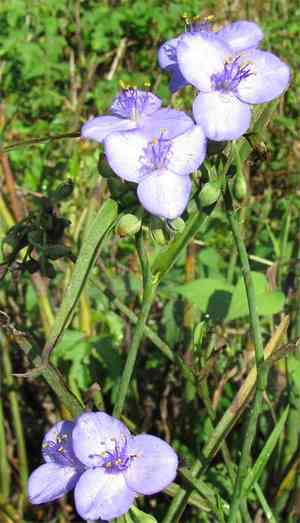
Zigzag spiderwort (Tradescantia subaspera)
Also known as: Wide-leaved spiderwort
Zigzag spiderwort (Tradescantia subaspera) is a perennial herb native to the United States. The plant's stems often grow in a characteristic zigzag pattern, which is the basis for its common name. Additionally, when damaged, the plant exudes a silky, threadlike secretion that looks similar to a spider's web.
In This Article
Attributes of Zigzag spiderwort
Lifespan
Perennial
Plant Type
Herb
Plant Height
30 cm to 61 cm
Spread
60 cm to 75 cm
Leaf Color
Green Black
Flower Size
2.5 cm
Flower Color
Blue White
Images of Zigzag spiderwort
Quickly Identify Zigzag spiderwort
1
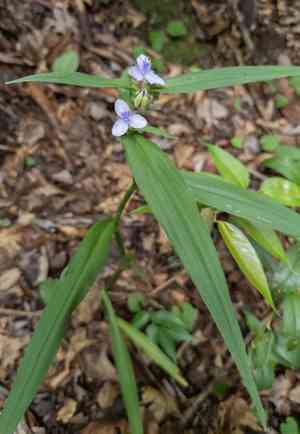
Long, grass-like leaves with fuzzy texture, parallel veins, and clasping bases.
2
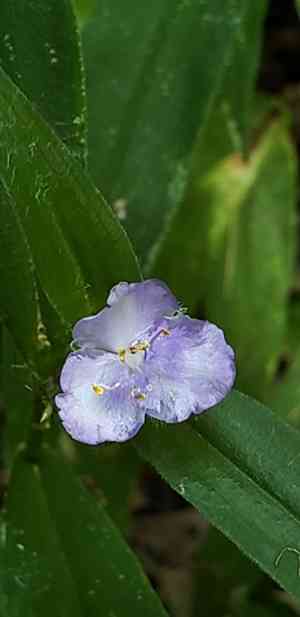
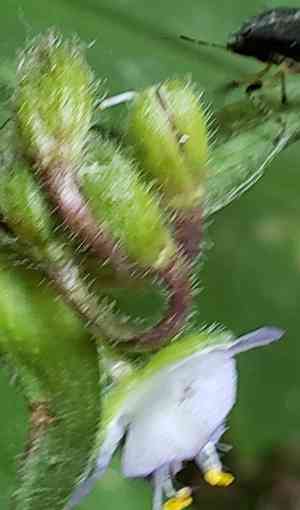
Showy violet flowers with three petals, yellow stamens, and oval sepals.
3
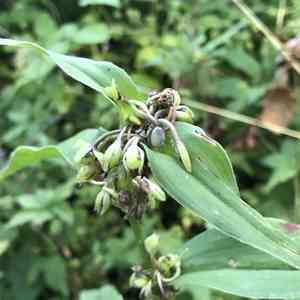
Compact 3-chambered seed capsules, green to brown, crack upon drying for seed dispersal.
4
Dark green linear-lanceolate leaves, upwardly curved, contrasting upper and lower surfaces.
5
Medium green, slightly tapered stem with sparse branching and modest texture.
Scientific Classification of Zigzag spiderwort
Phylum
Vascular plants
Class
Monocotyledons
Order
Commelinales
Family
Spiderwort
Genus
Spiderworts
Species
Zigzag spiderwort
Planting and Growing of Zigzag spiderwort
Care Difficulty
Easy
Watering Schedule
Every 8 days
Sunlight Requirements
Partial sun
Sunshine Duration
4-6 hours
Ideal Temperature
65-75℉
Soil Type
Potting Mix, Peat Mix
Soil pH
6.5-7.5
Fertilizer Type
Balanced
Pruning Season
Spring, Summer
Pruning Area
Branches, Leaves
Pruning Frequency
2 times a year
Repotting Season
Spring
Pot Type
Plastic, Ceramic
 How to Water Zigzag spiderwort?
For Tradescantia subaspera, the ideal watering amount is about 250 milliliters per session. This plant prefers steady moisture, avoiding both swampy conditions and parched droughts. Water until you see a slight trickle from the drainage holes, indicating the soil is thoroughly saturated but not waterlogged.
What are the symptoms of an underwatered Zigzag spiderwort?
›
What should I do if my Zigzag spiderwort is not getting enough water?
›
What are the symptoms of an overwatered Zigzag spiderwort?
›
How to save an overwatered Zigzag spiderwort?
›
 What Are the Sunlight Requirements for Zigzag spiderwort?
Tradescantia subaspera ideally thrives in environments with partial sun to full shade. This light range supports healthy leaf coloration and robust growth, minimizing the risks of light-induced stress.
More About Sunlight Requirements Techniques→
What is the best lighting condition for Tradescantia subaspera?
›
How can you achieve the ideal lighting conditions?
›
What are the benefits of providing ideal lighting to Tradescantia subaspera?
›
 What Is the Ideal Temperature Range for Zigzag spiderwort?
Tradescantia subaspera thrives best in a temperature range of 65 to 75°F. Maintaining this temperature ensures optimal growth and vibrant foliage. These conditions mimic the plant's natural habitat, which contributes to its overall health.
 What Soil is Best for Zigzag spiderwort?
Tradescantia subaspera prefers soil that offers excellent drainage. Well-drained soil helps prevent waterlogging and root rot, promoting healthy root development and vibrant foliage. A nutrient-rich soil composition supports the demanding growth needs of Tradescantia subaspera. Enriched soil provides essential nutrients, contributing to lush and vigorous plant growth. The plant thrives best in soils that retain moisture while still allowing excess water to drain away. This balance is crucial for maintaining consistent hydration without suffocating the root system.
 How to Fertilize Zigzag spiderwort?
For Tradescantia subaspera, use a balanced liquid fertilizer diluted to half strength. Each application should only lightly moisten the soil surface, as this plant doesn't require heavy feeding.
 How to Prune Zigzag spiderwort?
To prune Tradescantia subaspera, start by using clean, sharp scissors or pruning shears. Begin with removing any dead or damaged leaves and stems to encourage healthy growth. To control shape and size, trim back overgrown stems just above a leaf node. Regular pruning not only maintains its lush appearance but also helps prevent legginess and promotes fuller, bushier growth.
More About Pruning Techniques→
 How to Propagate Zigzag spiderwort plant?
1
Select healthy stems from a mature Tradescantia subaspera plant, ensuring they are disease-free. Cut a segment of about 4 to 6 inches long with a clean, sharp tool.
2
Remove leaves from the lower half of the cutting to prevent rot and dip the cut end into rooting hormone, tapping off excess powder.
3
Insert the treated end of the cutting into a well-draining potting mix. Water thoroughly and place in a warm, bright area, avoiding direct sunlight.
 How to Repot Zigzag spiderwort plant?
1
Tradescantia subaspera shows signs of needing repotting when its roots start poking through the drainage holes, or when it seems top-heavy or stops growing. Repotting is best done during spring and summer when the plant is actively growing, ensuring it can recover quickly.
2
Select a pot that is about 2 inches larger in diameter than the current one. A pot with good drainage is essential. Using a slightly larger pot avoids excessive soil moisture, helping prevent root rot, a common issue with overly large pots.
3
Select a well-draining potting mix rich in organic matter. This ensures that excess water doesn't stand, promoting healthy root development. The right soil helps in retaining enough moisture for the plant while preventing waterlogging.
Toxicity
Ingestion, Dermal
WARNING
The judgment on toxicity and danger is for reference only. We DO NOT GUARANTEE any accuracy of such judgment. Therefore, you SHALL NOT rely on such judgment. It is IMPORTANT TO SEEK PROFESSIONAL ADVICE in advance when necessary.



