How to Prune Hairyflower spiderwort?
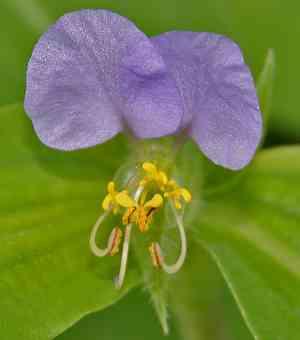
Hairyflower spiderwort, a resilient perennial characterized by its unique hairy blossoms, thrives with trimming in late winter or early spring to stimulate vigorous development. Eliminate faded blooms and compromised stalks to preserve its well-being and appearance. Be sure to snip directly above healthy growth points. Consistent trimming aids in preventing sparse growth and fosters thicker foliage. Utilize sanitized, keen implements to avert the spread of pathogens. These methods not only improve the plant's aesthetic charm but also its general robustness.
What Are the Benefits of Pruning Hairyflower Spiderwort?
What Are the Benefits of Pruning Hairyflower Spiderwort?
Trimming hairyflower spiderwort encourages vigorous development and maintains its form. It fosters robust growth, enhances blooming, and manages plant size, while improving overall look and resistance to pests and illnesses.
What Is the Best Time for Pruning Hairyflower Spiderwort?
What Is the Best Time for Pruning Hairyflower Spiderwort?
Pruning hairyflower spiderwort in early spring and late winter is optimal as it coincides with the plant's dormant phase, minimizing stress and stimulating strong new growth when the active season begins. These periods also help avoid interfering with the flowering cycle, ensuring peak health and bloom production.
What Tools Do I Need to Prune Hairyflower Spiderwort?
Hand Pruners
Perfect for precise cuts to encourage healthy development; suitable for removing spent blooms and trimming overgrown stems of hairyflower spiderwort.
Pruning Shears
Ideal for cutting thicker, tougher stems effectively. Helps maintain the plant's shape without harming other sections.
Snips
For intricate and delicate tasks; excellent for targeting small, specific areas needing removal without disrupting the overall structure of hairyflower spiderwort.
How to Prune Hairyflower Spiderwort
Assess
Thoroughly examine hairyflower spiderwort to identify all diseased and withered leaves.
SanitizeTools
Ensure pruning implements are clean and sterilized to prevent the spread of disease.
RemoveDiseased
Carefully cut away any diseased leaves, trimming back to healthy tissue to prevent further infection.
RemoveWithered
Snip off any withered leaves, making sure cuts are made close to the plant stem.
DisposeProperly
Properly discard all removed leaves to avoid contaminating healthy parts.
Common Pruning Mistakes with Hairyflower Spiderwort
Over-pruning
Removing too much foliage can stress hairyflower spiderwort and hinder its growth and flowering. It can also make the plant vulnerable to diseases and pests.
Improper technique
Using dull or dirty pruning tools can result in jagged cuts and increase the likelihood of infection.
Pruning at the wrong time
Hairyflower spiderwort may experience shock or fail to recover properly if pruned during inappropriate times, even though specific seasonal instructions are omitted here.
Common Pruning Tips for Hairyflower Spiderwort
Clean and sharp tools
Always use clean and sharp pruning shears to ensure smooth cuts and reduce the risk of disease.
Remove dead or diseased parts
Inspect hairyflower spiderwort regularly and promptly remove any dead, dying, or diseased parts to promote healthy growth.
Encourage branching
Pinch or lightly prune the tips of hairyflower spiderwort to encourage a bushier appearance and more branching, which can lead to more flowers.
Moderation
Prune with moderation, aiming to remove only up to one-third of the plant's foliage at any pruning session to avoid stressing hairyflower spiderwort.
Disinfect tools
Disinfect pruning tools before and after use, especially when dealing with diseased parts, to prevent the spread of pathogens.



