How to Propagate Hairyflower spiderwort?
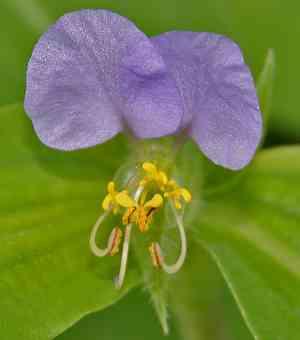
Hairyflower spiderwort flourishes when reproduced through seeding. Create a potting blend that drains effectively and embed seeds just beneath the top layer. Maintain consistent moisture in the substrate, avoiding saturation, to guarantee successful sprouting. Ample indirect illumination and a warm setting encourage vigorous development. Once genuine foliage emerges, thin the young plants to prevent excessive density, providing each specimen adequate room to fully develop.
Optimal Time for Hairyflower Spiderwort Propagation
Propagation Type
Sowing
Propagation Season
Spring
Tools for Hairyflower Spiderwort Propagation
Seed Tray
A seed tray is vital for offering a controlled setting for planting hairyflower spiderwort seeds. It aids in organizing and managing seedlings, ensuring proper spacing, and minimizing nutrient competition.
Sterile Soil Mix
Employing a sterile soil mix is crucial for hairyflower spiderwort to prevent fungal diseases or pests that could impede germination and development. This guarantees a healthy start for young plants.
Humidity Dome
A humidity dome maintains ideal humidity and temperature levels, essential for hairyflower spiderwort seed germination. It helps retain moisture and provides a stable microclimate, boosting successful germination rates.
Watering Can with Fine Rose
A watering can with a fine rose allows for gentle irrigation of hairyflower spiderwort seedlings, preventing soil disturbance and ensuring even moisture distribution without harming delicate seeds or young plants.
Plant Labels
Labeling is important for monitoring progress and identifying various stages of hairyflower spiderwort seedlings. Plant labels assist in organizing multiple sowing batches and ensuring accurate identification.
Heat Mat
For improved germination rates, a heat mat can be utilized to provide consistent bottom warmth to seed trays. This is particularly beneficial for hairyflower spiderwort as it helps maintain the perfect soil temperature for seed sprouting.
Spray Bottle
A spray bottle is useful for misting hairyflower spiderwort seedlings to keep the soil surface damp without overwatering. This tool is perfect for ensuring young seeds receive sufficient moisture without the risk of waterlogging.
Grow Lights
Grow lights are essential for supplementing natural light, especially when sowing hairyflower spiderwort seeds indoors or in low-light conditions. They provide the necessary light spectrum for healthy seedling growth and development.
How to Propagate Hairyflower Spiderwort?
Propagation Type
Easy
Caring for Your Newly Propagated Hairyflower Spiderwort
Caring for Your Newly Propagated Hairyflower Spiderwort?
Post-transplant, water plants regularly, keeping the soil slightly moist. Apply mulch around the base to retain moisture and deter weeds. Hairyflower spiderwort prefers partial to full sun and thrives in well-draining soil. Fertilize monthly with a balanced, water-soluble product during the growing season. Monitor for pests like aphids and spider mites, treating them promptly. Prune damaged or dead foliage to encourage new growth and maintain plant health.
Common Propagation Mistakes for Hairyflower Spiderwort
Overwatering
Excessive moisture can lead to root rot and fungal issues, hindering growth or killing the cuttings.
Using Poor Soil
Soil that drains poorly can result in waterlogged roots, which impedes growth and can cause decay.
Insufficient Light
Not providing adequate light can lead to weak, elongated growth that struggles to flourish.
Incorrect Cutting Technique
Taking cuttings improperly can damage plant tissue and reduce the likelihood of successful rooting.
Hairyflower Spiderwort Propagation Tips
Proper Watering
Maintain a balanced watering schedule, ensuring the soil is moist but never saturated. Allow the topsoil to dry slightly between waterings.
Well-Draining Soil
Utilize a well-draining potting mix to prevent waterlogged roots. Mixing perlite or sand with regular potting soil can improve drainage.
Adequate Light
Place cuttings in bright, indirect light to ensure vigorous growth. Avoid direct sunlight, which can scorch young cuttings.
Correct Cutting Technique
Use sharp, clean scissors or pruning shears to take healthy stem cuttings just below a node. Aim for a cutting length of 4-6 inches.



