How to Prune Trans-pecos spiderwort?
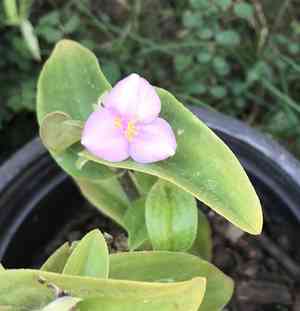
This resilient perennial is recognized for its subtle blue to violet blossoms and slender, grass-like foliage. Perform pruning on trans-pecos spiderwort during the late winter or early spring period to stimulate robust development. Snip off faded blooms to prolong the flowering season. Shorten elongated stems to preserve a dense form and eliminate any withered or compromised leaves. Consistent trimming averts excessive density and fosters more robust specimens. Consult botanical resources to guarantee appropriate methods and scheduling for trans-pecos spiderwort.
What Are the Benefits of Pruning Trans-pecos Spiderwort?
What Are the Benefits of Pruning Trans-pecos Spiderwort?
Trimming trans-pecos spiderwort encourages vigorous development and maintains its form. Regular upkeep ensures the plant stays healthy and aesthetically pleasing, fostering strong growth and preventing excessive size.
What Is the Best Time for Pruning Trans-pecos Spiderwort?
What Is the Best Time for Pruning Trans-pecos Spiderwort?
Pruning trans-pecos spiderwort in late winter and early spring is optimal as it coincides with the plant's dormant period, allowing it to conserve energy for active growth. During this time, pruning helps remove any damaged or dead leaves accumulated over colder months, stimulating healthier new growth when the plant's active cycle begins. Additionally, pruning in these seasons minimizes disruption to flowering, enhancing its overall health and appearance.
What Tools Do I Need to Prune Trans-pecos Spiderwort?
Bypass Pruners
These are perfect for making clean cuts on stems and leaves without crushing plant tissues, which is crucial for the delicate stems of trans-pecos spiderwort.
Snips or Trimming Scissors
These enable precise cutting of smaller plant sections, essential for detailed maintenance and removing spent flowers or damaged leaves.
Hand Pruning Saw
Useful for cutting thicker, older stems that may require more than just pruners. Choose a small, fine-toothed saw to ensure clean cuts without harming surrounding plant tissue.
How to Prune Trans-pecos Spiderwort
Assess
Carefully examine trans-pecos spiderwort for any diseased or withered leaves that require removal.
Equip
Gather clean and sharp pruning shears for an effective trimming process.
Remove Diseased Leaves
Cut off any leaves showing signs of disease at their base, ensuring to clean shears between cuts to prevent pathogen spread.
Remove Withered Leaves
Trim away any withered or dried leaves by snipping them off at the base of the leaf stem.
Dispose
Safely discard all removed plant material away from the garden area to prevent any potential disease spread.
Common Pruning Mistakes with Trans-pecos Spiderwort
Over-pruning
Removing too many shoots or stems at once can stress trans-pecos spiderwort, leading to poor growth and reduced flowering. Only prune what is necessary.
Incorrect Cutting Technique
Making uneven or jagged cuts instead of clean, straight ones can damage plant tissue, making trans-pecos spiderwort more vulnerable to disease.
Pruning at the wrong node
Cutting too close to the node or leaving too much stem can impede new growth. Always cut about a quarter-inch above a node to encourage healthy development.
Ignoring Dead or Diseased Parts
Failing to remove dead or diseased foliage can spread issues throughout trans-pecos spiderwort, compromising its overall health.
Common Pruning Tips for Trans-pecos Spiderwort
Use Sharp Tools
Always use clean, sharp pruning shears to make precise cuts. This reduces the likelihood of plant tissue damage and disease.
Remove Spent Flowers
Deadheading, or removing spent flowers, encourages more blooms and prevents seed formation, promoting longer-lasting floral displays.
Thin Out Crowded Areas
Prune selectively to maintain good air circulation within trans-pecos spiderwort. This helps reduce pest problems and ensures that sunlight reaches all parts of the plant.
Cut Back Leggy Growth
If trans-pecos spiderwort becomes leggy or sparse, trim back the longest stems to promote bushier growth. This helps maintain an attractive and vigorous plant.



