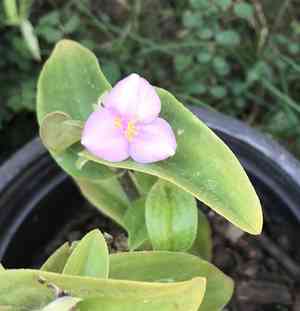
Trans-pecos spiderwort (Tradescantia brevifolia)
Also known as: Dwarf inch plant
The Trans-Pecos spiderwort (Tradescantia brevifolia) is indigenous to the Trans-Pecos region of Texas and parts of Northern Mexico. It typically grows on north-facing slopes. While it is often used as an ornamental plant due to its effective ground cover and suitability for containers, caution is advised as it can spread rapidly.
In This Article
Attributes of Trans-pecos spiderwort
Lifespan
Perennial
Plant Type
Herb, Succulent
Plant Height
0 mm to 30 cm
Spread
10-20 cm
Leaf Color
Green, sometimes with purple overtones
Flower Size
Less than 1 cm
Flower Color
White or pale pink
Images of Trans-pecos spiderwort
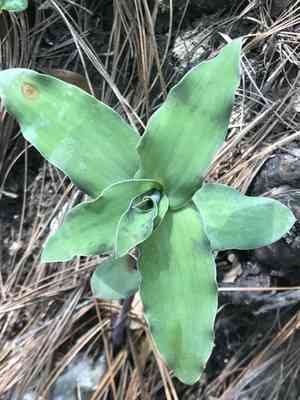
Quickly Identify Trans-pecos spiderwort
1
This plant can be identified by its compact size, trailing stems, and small, elliptical leaves which are typically green but may have purple overtones.
Scientific Classification of Trans-pecos spiderwort
Phylum
Vascular plants
Class
Monocotyledons
Order
Commelinales
Family
Spiderwort
Genus
Spiderworts
Species
Trans-pecos spiderwort
Planting and Growing of Trans-pecos spiderwort
Care Difficulty
Easy
Watering Schedule
Every 6 days
Sunlight Requirements
Partial sun
Sunshine Duration
6-10 hours
Ideal Temperature
65-75℉
Soil Type
Potting Mix, Peat Mix
Soil pH
6.5-7.5
Fertilizer Type
Balanced
Pruning Season
Spring, Summer
Pruning Area
Branches, Leaves
Pruning Frequency
Once a year
Repotting Season
Spring
Pot Type
Plastic, Terracotta
 How to Water Trans-pecos spiderwort?
When watering Tradescantia brevifolia, aim to moisten the soil evenly without leaving it waterlogged. The key is to ensure the soil is consistently damp but never soaked through. Aim to use around 100 milliliters per session, adjusting slightly based on the pot size and current climate conditions.
What are the symptoms of an underwatered Trans-pecos spiderwort?
›
What should I do if my Trans-pecos spiderwort is not getting enough water?
›
What are the symptoms of an overwatered Trans-pecos spiderwort?
›
How to save an overwatered Trans-pecos spiderwort?
›
 What Are the Sunlight Requirements for Trans-pecos spiderwort?
Tradescantia brevifolia thrives best in partial sun conditions, benefitting from an environment that mimics its natural habitat. Adequate lighting promotes robust growth, intense coloration, and reduces vulnerabilities to diseases and pests.
How much sunlight does Tradescantia brevifolia need?
›
What solutions are there to provide ideal lighting?
›
What are the benefits of ideal lighting conditions?
›
 What Is the Ideal Temperature Range for Trans-pecos spiderwort?
The ideal temperature range for Tradescantia brevifolia is between 65°F and 75°F. This temperature range ensures optimal growth and overall plant health, promoting vibrant leaf coloration and healthy roots.
 What Soil is Best for Trans-pecos spiderwort?
Tradescantia brevifolia prefers well-drained soil that prevents water from sitting at the roots. This helps avoid root rot and promotes healthy growth by ensuring the roots receive adequate oxygen. The plant thrives in soil that retains moisture without becoming waterlogged. Adequate moisture sustains the plant's vigor and lush foliage, supporting photosynthesis and nutrient uptake. Rich, loamy soil provides essential nutrients that drive the plant's metabolic processes. It fuels growth, enhances leaf coloration, and boosts resilience against pests and diseases.
 How to Fertilize Trans-pecos spiderwort?
For Tradescantia brevifolia, it's crucial to use a balanced water-soluble fertilizer. Apply at a rate of one teaspoon per gallon of water for liquid fertilizers. For solid fertilizers, follow the manufacturer's instructions closely to avoid overfeeding.
 How to Prune Trans-pecos spiderwort?
Begin by identifying leggy or overgrown stems that need tidying up. Look for stems that are excessively long and sparse, as pruning these will encourage new, healthy shoots to emerge, resulting in a fuller plant. Using a pair of sharp, sterilized scissors or pruning shears, cut just above a node. This is the point where leaves attach to the stem. Pruning here stimulates new branch growth at that node, helping to create a bushier plant. Collect and dispose of all pruned plant material to prevent pests and diseases. You can also propagate healthy cuttings by placing them in water or directly into the soil to grow new plants.
More About Pruning Techniques→
 How to Propagate Trans-pecos spiderwort plant?
1
Select healthy stems from a mature Tradescantia brevifolia plant and use sharp pruning shears to cut sections about 4-6 inches long. Remove the lower leaves to expose the nodes.
2
Fill small pots with a sterile potting mix. It should be well-draining to prevent water from sitting at the bottom, which may lead to root rot.
3
Insert the cuttings into the potting mix, ensuring that at least one node is beneath the soil surface for rooting. Place the pots in a well-lit area with indirect sunlight.
 How to Repot Trans-pecos spiderwort plant?
1
Tradescantia brevifolia typically shows signs that it needs repotting when its roots begin to protrude from the bottom of its current pot, indicating a lack of space. It's also time to repot if the soil seems compacted or waterlogged, or if growth has noticeably slowed despite proper light and watering conditions.
2
Opt for a pot that is one size larger with adequate drainage holes. The increased space allows for root expansion, promoting healthier growth. Porous materials like clay can also help prevent water retention issues that could lead to root rot.
3
Select a well-draining potting mix to prevent root rot, an issue this species is susceptible to. A mix that includes perlite or sand can aid in drainage while maintaining moisture, providing a balanced medium for optimal plant health.
Toxicity
Ingestion, Dermal contact
WARNING
The judgment on toxicity and danger is for reference only. We DO NOT GUARANTEE any accuracy of such judgment. Therefore, you SHALL NOT rely on such judgment. It is IMPORTANT TO SEEK PROFESSIONAL ADVICE in advance when necessary.



