How to Prune Trachymene humilis?
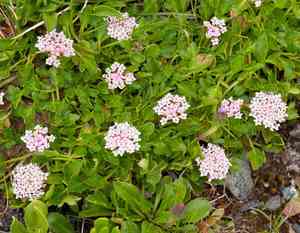
Trachymene humilis is a unique botanical specimen featuring fine, leafy growth and appealing blossoms. Trim Trachymene humilis during the initial part of spring or the latter portion of winter to stimulate robust development and plentiful flowering. Eliminate any lifeless or compromised stalks to enhance air movement. Shortening excessively lengthy limbs fosters a denser form. Trimming boosts the plant's visual charm and general hardiness, lessening the chance of illness. Adhere to these methods for a flourishing and attractive garden element.
Advantages of Trachymene Humilis Pruning
Advantages of Trachymene Humilis Pruning
Trachymene humilis pruning encourages vigorous development, maintains its form, and fosters robust growth. It boosts flowering, manages size, improves aesthetics, and increases pest and disease resistance, ensuring strong health. Regular trimming guarantees the plant's overall health and visual appeal.
Optimal Pruning Period for Trachymene Humilis
Optimal Pruning Period for Trachymene Humilis
Pruning trachymene humilis in early spring or late winter is ideal as these seasons precede its active growth. Pruning then stimulates new growth, ensures quick recovery, and prepares it for blooming or fruiting. It also minimizes disease and pest risks common in warmer months. These times offer a clear view of the plant's structure, allowing for precise trimming.
Necessary Tools for Trachymene Humilis Pruning
Hand pruners
Perfect for precise cuts and removing small, less than 1/4 inch thick, dead or damaged stem sections.
Bypass pruners
Effective for making clean cuts on live stems, encouraging healthy regrowth.
Horticultural scissors
Useful for delicate trimming and shaping due to trachymene humilis's generally small size and finer growth.
Gloves
Crucial for personal safety and handling the plant without harming stems or roots.
How to Prune Trachymene Humilis
Assess
Carefully inspect trachymene humilis for any signs of diseased or withered leaves. Ensure the plant is healthy overall before beginning to prune.
Prepare tools
Sanitize your pruning shears or scissors to prevent the spread of disease. Clean tools will ensure a healthy cut and reduce the risk of infection.
Remove diseased
Identify and trim away any diseased leaves. Make clean cuts close to the base of the leaf stem, ensuring you remove all parts showing disease symptoms to prevent spread.
Remove withers
Next, trim any withered leaves. Cut these leaves back to their base, promoting better air circulation and overall plant health.
Dispose trimmings
Properly dispose of the trimmed diseased and withered leaves. Do not compost them as this may spread the disease. Instead, discard them in a sealed bag.
Common Pruning Errors with Trachymene Humilis
Over-pruning
Cutting too much of trachymene humilis can stress the plant and hinder its growth and blooming. It's important to be conservative and avoid removing more than one-third of the plant at any given time.
Poor technique
Using dull or inappropriate tools can lead to jagged cuts, which may invite disease and pest infestations. Always ensure tools are sharp and clean.
Timing
Pruning at the wrong time can disrupt the plant's growth cycle and reduce its ability to produce flowers. Avoid pruning when the plant is actively flowering.
Neglecting deadheading
Failing to remove spent flowers can result in reduced blooming and may allow diseases to take hold.
Ignoring shape and structure
Not considering the plant’s natural shape can lead to an unbalanced or unsightly appearance. It's essential to prune in a manner that maintains or enhances the plant's natural form.
General Pruning Advice for Trachymene Humilis
Use clean, sharp tools
Always use tools that are disinfected and sharp to make clean cuts. This minimizes damage and reduces the risk of disease.
Deadhead regularly
Consistently remove spent flowers to encourage more blooms and keep the plant tidy. This also helps direct energy to healthy growth.
Light pruning
Focus on light pruning to maintain the plant’s shape and remove any dead or damaged parts. This promotes better air circulation and sunlight penetration, which are vital for healthy growth.
Consider natural shape
Always prune in a way that respects the natural form of trachymene humilis. This helps maintain its aesthetic appeal and ensures that growth is properly balanced.
Monitor plant health
Regularly check the plant for signs of disease or pests before pruning. Removing affected areas promptly can prevent issues from spreading.


