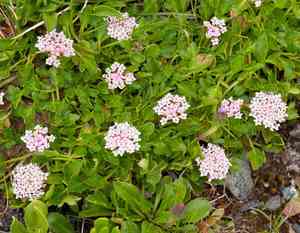
Trachymene humilis (Trachymene humilis)
Also known as: Wild Parsnip, Australian Spinach
Trachymene humilis is a low-growing perennial herb, distinctive for its delicate, lacy foliage and small, white or pale blue umbel flowers. Thriving in well-drained soils, trachymene humilis's compact form makes it well-suited for rockeries and alpine gardens. Its modest height, rarely exceeding 20cm, and frost tolerance, testify to its resilience in cooler, mountainous habitats.
In This Article
Attributes of Trachymene humilis
Lifespan
Annual
Plant Type
Herb
Plant Height
10-30 cm
Spread
20-40 cm
Leaf Color
Green
Flower Size
1-2 cm
Flower Color
White
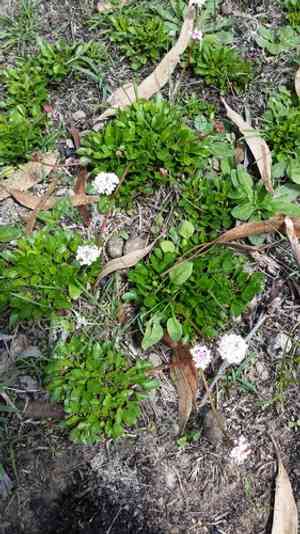
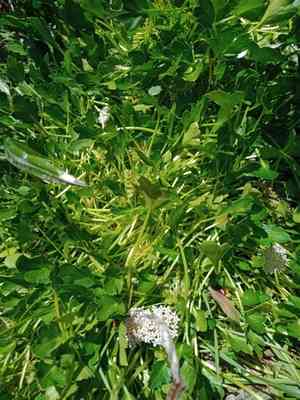
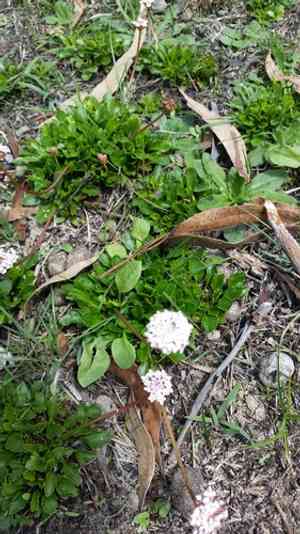
Images of Trachymene humilis
Quickly Identify Trachymene humilis
1
Trachymene humilis can be identified by its compound umbels of small, white flowers and its finely divided, feathery leaves. The plant typically grows close to the ground and has a spreading habit.
Scientific Classification of Trachymene humilis
Phylum
Vascular plants
Class
Dicotyledons
Order
Apiales
Family
Umbellifers
Genus
Trachymene
Species
Trachymene humilis
Planting and Growing of Trachymene humilis
Care Difficulty
Moderate
Watering Schedule
Every 3 days
Sunlight Requirements
Partial sun
Sunshine Duration
6-10 hours
Ideal Temperature
60-75℉
Soil Type
Potting Mix, Peat Mix
Soil pH
6.5-7.5
Fertilizer Type
Balanced
Pruning Season
Spring, Summer
Pruning Area
Branches, Leaves
Pruning Frequency
2 times a year
Repotting Season
Spring
Pot Type
Plastic, Ceramic
 How to Water Trachymene humilis?
For Trachymene humilis, maintain moderate soil moisture. It requires deep watering, approximately 200 ml per session to ensure the soil remains evenly moist but not waterlogged. Aim to thoroughly soak the root zone without flooding the plant.
What are the symptoms of an underwatered Trachymene humilis?
›
What should I do if my Trachymene humilis is not getting enough water?
›
What are the symptoms of an overwatered Trachymene humilis?
›
How to save an overwatered Trachymene humilis?
›
 What Are the Sunlight Requirements for Trachymene humilis?
Partial sun to full sun is ideal for Trachymene humilis. This range ensures robust growth and blooming. Ideal light levels support photosynthesis, encouraging healthy foliage, and providing energy for blooming.
What is the best location for Trachymene humilis?
›
How do I achieve these conditions?
›
What are the benefits of ideal light exposure?
›
 What Is the Ideal Temperature Range for Trachymene humilis?
The ideal temperature range for cultivating Trachymene humilis should be between 60°F and 75°F. Within this temperature range, the plant can achieve optimal growth and perform vital physiological processes efficiently. Maintaining temperatures in this bracket ensures that the plant experiences minimal stress and consistently receives the environmental signals necessary for robust growth.
 What Soil is Best for Trachymene humilis?
Trachymene humilis thrives in well-drained soil. Good drainage prevents root rot and encourages healthy root development, which is crucial for the plant's overall vitality. This plant prefers moderately fertile soils that provide essential nutrients. Balanced fertility ensures sustainable growth and promotes vibrant blooming throughout the growing season. The ideal pH range of 6.5 to 7.5 supports nutrient availability and uptake. Maintaining this pH helps the plant access important nutrients, leading to robust growth and flowering.
 How to Fertilize Trachymene humilis?
Trachymene humilis requires delicate feeding to support its growth. Apply a balanced liquid fertilizer at the rate of 1/2 strength every month to avoid fertilizer burn and ensure nutrient uptake without overwhelming the plant. Solid fertilizers should be applied no more than 3 times a year, preferably during the active growing season.
 How to Prune Trachymene humilis?
When pruning Trachymene humilis, always use a pair of sharp and clean scissors. This ensures a clean cut that reduces the risk of damage and disease. Target any dead or yellowing leaves first, then proceed to trim back overgrown stems to maintain a compact shape. When cutting stems, be sure to prune just above a leaf node. This technique helps encourage new growth from that node, leading to a bushier plant. Avoid cutting too close to the node to prevent damaging it. It's important not to over-prune Trachymene humilis as it can stress the plant. Prune lightly and avoid removing more than a third of the plant at any one time. Allow the plant to recover between pruning sessions with adequate light and water.
More About Pruning Techniques→
 How to Propagate Trachymene humilis plant?
1
Before planting Trachymene humilis seeds, it's critical to prepare a fertile seed mix. Ensure that the soil is light and well-aerated to promote healthy root growth and prevent fungal issues.
2
Gently sprinkle the seeds over the prepared soil surface, ensuring they are spaced adequately. It's important to lightly cover the seeds with a thin layer of soil to protect them from disturbances.
3
Immediately after sowing, water the seeds gently with a fine mist to avoid displacing them. Consistent moisture is crucial for germination, but make sure the soil is not waterlogged to prevent rotting.
 How to Repot Trachymene humilis plant?
1
Trachymene humilis should be considered for repotting when you notice roots protruding from the drainage holes, a slow in growth rate, or when the soil dries out quicker than usual. These signs indicate the plant is root-bound and needs more space to thrive.
2
Select a pot that is one to two sizes larger than the current one, with good drainage holes. A slightly larger pot gives roots more room to grow and avoids excessive watering issues. The benefit is healthier root development without risking waterlogged soil.
3
Opt for a well-draining potting mix, rich in organic matter. This type of soil facilitates adequate water flow and prevents root rot by maintaining a balanced moisture level, crucial for the health of Trachymene humilis.
Learn More About Trachymene humilis Diseases
Anthracnose
Bacterial Leaf Spot
Bacterial Soft Rot
Bacterial Wilt
Black Spot
Chemical Injury
Crown Gall
Cyst Nematode
Damping-off
Downy Mildew
Drought Stress
Fusarium Wilt
Gray Mold
Leaf Curl
Leaf Spot
Mosaic
Nutrient Deficiency
Nutrient Toxicity
Powdery Mildew
Root Rot
Root-knot Nematode
Rusts
Sooty Mold
Spider Mites
Temperature Stress
Thrips Damage
White Mold


