How to Prune Chinese nutmeg yew?
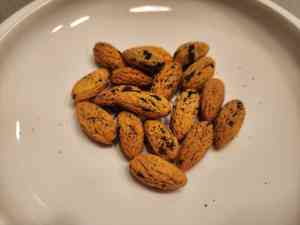
The Chinese nutmeg yew, valued for its palatable seeds and aesthetic appeal, flourishes with appropriate trimming. Essential methods involve reducing crowded branches to enhance light exposure and airflow, and eliminating deceased or ailing wood to preserve its well-being. Perform pruning during its dormant winter phase, refraining from extensive cuts to avert strain. Trimming boosts seed yield and sustains an attractive shape, which is vital for its dual function as a food source and decorative specimen.
What Are the Benefits of Pruning Chinese Nutmeg Yew?
What Are the Benefits of Pruning Chinese Nutmeg Yew?
Trimming chinese nutmeg yew encourages vigorous development and helps maintain its desired form. By strategically removing parts of the plant, it redirects energy to healthier limbs, fostering a strong framework and appealing shape.
What Is the Best Time for Pruning Chinese Nutmeg Yew?
What Is the Best Time for Pruning Chinese Nutmeg Yew?
Trimming chinese nutmeg yew in late winter is beneficial because the plant remains dormant, minimizing sap loss and stress. This timing also allows for clearer visibility of the plantâs structure without leaves, enabling more precise cuts. Furthermore, any pruning wounds will heal quicker as new growth begins in spring, lowering disease risk. Pruning before the spring growth cycle ensures the plant's energy is directed towards new, healthy growth instead of supporting damaged or unnecessary branches. Avoiding pruning during flowering or fruiting periods guarantees that chinese nutmeg yew's reproductive success is not compromised.
What Tools Do I Need to Prune Chinese Nutmeg Yew?
Hand Pruners
Perfect for making accurate cuts on young or small branches of chinese nutmeg yew, ensuring clean removal without harming the plant.
Loppers
Suitable for cutting through thicker branches of chinese nutmeg yew that hand pruners cannot manage, offering good leverage and a clean cut.
Pruning Saw
Essential for removing mature branches and limbs of chinese nutmeg yew that are too thick for loppers, allowing for precision in confined areas.
Hedge Shears
Effective for shaping and maintaining the dense foliage of chinese nutmeg yew, ensuring uniform growth and aesthetic appeal.
Pole Pruner
Useful for reaching higher branches of chinese nutmeg yew without needing a ladder, enhancing safety during pruning tasks.
Gloves
Crucial for protecting hands from the sharp foliage and resin of chinese nutmeg yew during pruning activities.
Garden Disinfectant
Vital for sterilizing tools between cuts to prevent the spread of disease in chinese nutmeg yew, promoting a healthy plant.
How to Prune Chinese Nutmeg Yew
Clean Tools
Sanitize pruning tools to prevent disease transmission when cutting chinese nutmeg yew. Use a solution of 1 part bleach to 9 parts water or alcohol wipes for cleaning.
Inspect
Carefully examine chinese nutmeg yew for dead or diseased branches. Dead branches will be brittle and break easily, while diseased branches may show discoloration, unusual growths, or a different texture compared to healthy ones.
Remove Dead Branches
Gently remove dead branches from chinese nutmeg yew by cutting at a slight angle, just above a healthy bud or branch junction, ensuring you do not damage the collar. Use sharp, clean pruning shears or a saw if needed.
Remove Diseased Branches
Cut off diseased branches of chinese nutmeg yew well below the affected area to prevent disease spread. Disinfect pruning tools after each cut to avoid contaminating healthy parts of the plant.
Dispose
Properly dispose of the removed dead and diseased branches. Avoid composting them as this can spread pathogens. Either burn them, if permitted in your area, or bag them and discard with household waste.
Common Pruning Mistakes with Chinese Nutmeg Yew
Improper Cut Placement
Cutting branches of chinese nutmeg yew too close to the main stem can harm the collar, leading to poor healing and disease susceptibility. Conversely, leaving too much of a stub can also impede proper healing and growth.
Over Pruning
Removing excessive foliage from chinese nutmeg yew at once can stress the tree and deplete its energy reserves, resulting in weakened health and reduced flowering potential.
Neglecting Tool Hygiene
Using uncleaned pruning tools can introduce pathogens to chinese nutmeg yew, encouraging disease spread. Always disinfect tools before and after use.
Pruning Blindly
Random or haphazard cuts can ruin the natural form of chinese nutmeg yew and hinder its growth. Gardeners should follow a pruning plan that respects the plant's structure.
Common Pruning Tips for Chinese Nutmeg Yew
Selective Thinning
Targeting specific branches for removal can improve air circulation and light penetration throughout the canopy of chinese nutmeg yew, thereby supporting overall health and robust growth.
Maintain Natural Shape
Pruning should highlight the natural form of chinese nutmeg yew. Avoid over-formalizing its shape to preserve its aesthetic and ensure vigor.
Healthy Growth Encouragement
Focus on removing dead, diseased, or crossing branches to promote healthier growth. Such maintenance helps chinese nutmeg yew direct energy to thriving parts.
Prune For Strength
Cut above lateral branches or buds that point outwards to encourage a more open structure and stronger future growth for chinese nutmeg yew.
Support Young Plants
Prune young chinese nutmeg yew plants lightly to shape and establish a strong framework for future growth, being careful not to remove too much at once.



