
Chinese nutmeg yew (Torreya grandis)
Also known as: Chinese Nutmeg Yew
The Chinese nutmeg yew (Torreya grandis) is a decorative tree known for its edible seeds, which are commonly found in local markets in its native China. The wood from this tree is valuable for constructing houses, bridges, and furniture. Although introduced to England by Robert Fortune in 1855, it remains relatively rare in Europe and other regions outside China.
In This Article
Attributes of Chinese nutmeg yew
Lifespan
Perennial
Plant Type
Tree
Plant Height
25 m to 39 m
Spread
8 m
Leaf Color
Dark Green
Flower Size
N/A (Coniferous tree, does not produce typical flowers)
Flower Color
White
Images of Chinese nutmeg yew
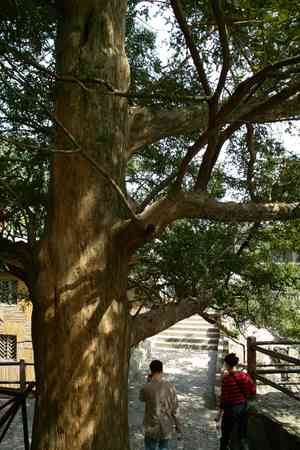
Quickly Identify Chinese nutmeg yew
1
Identify Torreya grandis by its thick, dark green, needle-like leaves arranged spirally around the twigs, and its fleshy, olive-like seeds.
Scientific Classification of Chinese nutmeg yew
Phylum
Vascular plants
Class
Conifers
Order
Pines and allies
Family
Yew
Genus
Nutmeg yews
Species
Chinese nutmeg yew
Planting and Growing of Chinese nutmeg yew
Care Difficulty
Moderate
Watering Schedule
Every 2 days
Sunlight Requirements
Partial sun
Sunshine Duration
4-8 hours
Ideal Temperature
59-77℉
Soil Type
Potting Mix, Peat Mix
Soil pH
5.5-7.5
Fertilizer Type
Balanced
Pruning Season
Spring, Summer
Pruning Area
Branches, Leaves
Pruning Frequency
2 times a year
Repotting Season
Spring
Pot Type
Plastic, Ceramic
 How to Water Chinese nutmeg yew?
For Torreya grandis, the watering amount should be approximately 500 ml per session. The soil needs to be moist but not waterlogged. Ensure water penetrates the root zone and continues until you see excess draining out from the bottom of the pot, indicating sufficient saturation.
What are the symptoms of an underwatered Chinese nutmeg yew?
›
What should I do if my Chinese nutmeg yew is not getting enough water?
›
What are the symptoms of an overwatered Chinese nutmeg yew?
›
How to save an overwatered Chinese nutmeg yew?
›
 What Are the Sunlight Requirements for Chinese nutmeg yew?
Torreya grandis is best suited for partial sun, receiving 4-6 hours of sunlight daily. This ensures healthy growth with sufficient energy conversion through photosynthesis while minimizing stress and leaf damage common in overexposed conditions.
How much sun does Torreya grandis need daily?
›
What effect does sufficient light have on growth?
›
How to balance light exposure for Torreya grandis?
›
 What Is the Ideal Temperature Range for Chinese nutmeg yew?
The ideal temperature range for growing Torreya grandis is between 59°F and 77°F. This range ensures optimal growth and development as it aligns with the natural environment of the plant. Maintaining temperatures within this range helps in achieving a good balance between photosynthesis and respiration, promoting healthy foliage and robust root systems.
 What Soil is Best for Chinese nutmeg yew?
Torreya grandis prefers well-drained soil to prevent root rot and ensure healthy growth. This requirement allows water to move freely through the soil, providing adequate moisture without waterlogging, which can be detrimental to this plant. Rich in organic matter, the soil supplies essential nutrients and improves soil structure. This improves water retention and aeration, fostering a robust root system for Torreya grandis. Torreya grandis thrives in moderately fertile soils. The balanced nutrient availability in such soils supports steady growth and optimal foliage without excessive vegetative production or nutrient imbalances.
 How to Fertilize Chinese nutmeg yew?
For Torreya grandis, a moderate application of both liquid and slow-release solid fertilizers is optimal. Apply approximately 100 grams of slow-release fertilizer per mature plant annually, and dilute liquid fertilizers to half the recommended strength to avoid nutrient burn.
 How to Prune Chinese nutmeg yew?
Start by cutting away any dead, broken, or diseased branches. These can be identified by a lack of greenery or signs of infection. Removing these limbs helps prevent the spread of disease and encourages robust health in your Torreya grandis tree. Trim the tree to the desired shape by cutting back branches to an outward-facing bud. Maintaining a balanced form allows light to penetrate the inner branches, aiding in even and healthy new growth. Remove branches that are overcrowding the tree to improve air circulation. Proper airflow helps prevent fungal infections and allows for adequate light penetration, keeping the tree healthy.
More About Pruning Techniques→
 How to Propagate Chinese nutmeg yew plant?
1
Choose a healthy, disease-free branch from the parent plant for cutting propagation. The branch should be semi-hardwood and about 15 centimeters long. Avoid branches that show signs of wilting or pest infestation.
2
Make an angled cut on the selected branch below a node. Remove the leaves on the lower half to reduce water loss through transpiration. Dip the cut end in rooting hormone to boost root growth.
3
Insert the prepared cutting into a pot filled with a well-draining potting mix. Ensure the node from which leaves were removed is buried at least 5 centimeters deep to encourage root formation.
 How to Repot Chinese nutmeg yew plant?
1
For Torreya grandis, the ideal time to repot is when you notice growth stagnation, yellowing leaves, or roots spiraling around the pot's interior. These signs indicate that the plant has outgrown its current home and needs more space to thrive.
2
Select a pot that is slightly larger than the current one, ideally 2-4 inches wider in diameter. It should have good drainage holes, which help prevent waterlogging, thus protecting the roots from potential rot.
3
Use well-draining, acidic soil with organic material for best results. Such soil provides the necessary nutrients and proper aeration, encouraging healthy root development and vigorous growth.



