How to Prune Yellow Hawkweed?
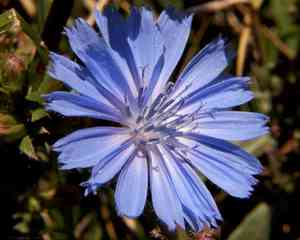
A resilient perennial, yellow Hawkweed is recognized for its vibrant yellow blossoms. To foster vigorous development, routinely remove faded flowers to stimulate additional flowering. The most effective periods for trimming coincide with active growth phases in spring, summer, and early autumn. Trimming prior to winter prepares yellow Hawkweed for its dormant stage. Removing spent blooms prevents self-propagation, which can manage its dissemination. Consistent trimming also contributes to a neat look, sustains vitality, and can diminish the likelihood of pests and diseases. Make sure to discard pruned debris to avert unintended proliferation.
What Are the Benefits of Pruning Yellow Hawkweed?
What Are the Benefits of Pruning Yellow Hawkweed?
Trimming yellow Hawkweed promotes robust development and helps maintain its desired form, leading to a healthier and more attractive plant.
What Is the Best Time for Pruning Yellow Hawkweed?
What Is the Best Time for Pruning Yellow Hawkweed?
Pruning yellow Hawkweed in spring is optimal as it coincides with the start of new growth post-winter dormancy, allowing for shaping and removal of winter damage before the growth cycle begins. Early summer pruning is suitable for deadheading faded blooms to encourage further flowering and maintain plant vigor. While late fall pruning is best for removing old or dead foliage and preparing yellow Hawkweed for colder months, it should be done after flowering has ceased to avoid hindering seed formation, which aids in the development of new plants for the next season. These timings ensure the health, appearance, and productivity of yellow Hawkweed.
What Tools Do I Need to Prune Yellow Hawkweed?
Hand Pruners
These are appropriate for cutting through the relatively slender stems of yellow Hawkweed. A bypass pruner style is preferred for making clean cuts without harming plant tissues.
Pruning Shears
Also known as clippers, the precision offered by pruning shears is perfect for trimming and shaping yellow Hawkweed, which has a clumping growth habit and may require selective thinning.
Garden Scissors
For more precise control when deadheading or shaping yellow Hawkweed, garden scissors can be used to snip off spent flowers and encourage additional blooming.
How to Prune Yellow Hawkweed
Cleaning
Ensure all pruning tools are clean and sharp to prevent disease spread and to make precise cuts, which will heal more effectively on yellow Hawkweed.
Identify
Examine yellow Hawkweed closely to pinpoint all the withered leaves that need removal. Look for leaves that are brown, dried out, or clearly dead.
Cut
Using your pruning shears, cut the withered leaves off yellow Hawkweed at their base where they meet the stem or the main leaf cluster. Be careful not to damage any healthy leaves or stems in the process.
Dispose
Gently remove the cut leaves from yellow Hawkweed and discard them properly. Do not compost diseased material as it may spread pathogens when used as compost.
Inspect
After pruning, inspect yellow Hawkweed to ensure no withered leaves have been missed and check for any signs of pests or diseases that may require further attention.
Common Pruning Mistakes with Yellow Hawkweed
Overpruning
Removing too much foliage at once can stress yellow Hawkweed and hinder its ability to photosynthesize effectively.
Blunt tools
Using dull or unclean pruning tools can cause damage to the tissues of yellow Hawkweed and potentially introduce diseases.
Pruning healthy flowers
Cutting away healthy flowers and buds can reduce the blooming potential and aesthetic appeal of yellow Hawkweed.
Ignoring dead material
Failing to remove dead or diseased material may limit new growth and expose yellow Hawkweed to pests and diseases.
Shearing
Shearing yellow Hawkweed as if it were a hedge can lead to improper growth patterns and diminish its natural form.
Common Pruning Tips for Yellow Hawkweed
Clean cuts
Make precise cuts just above the leaf nodes to promote healthy regrowth without leaving unnecessary stubs that could rot.
Disinfect tools
Regularly disinfect pruning tools to prevent the spread of pathogens, ensuring the health of yellow Hawkweed.
Moderate pruning
Prune moderately to maintain the shape of yellow Hawkweed and support its growth, without removing more than one-third of the foliage at a time.
Deadheading
Regularly deadhead spent flowers to encourage repeat blooming and to maintain the visual appeal of yellow Hawkweed.
Thinning
Thin out the center of yellow Hawkweed to improve air circulation and sunlight penetration, which can help reduce the risk of disease.



