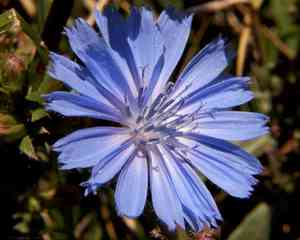
Yellow Hawkweed (Tolpis barbata)
Also known as: Black eyes, Umbrella milkwort
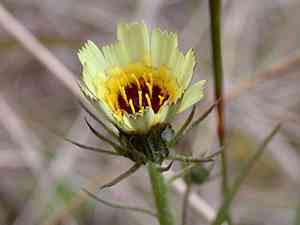
Yellow Hawkweed, an invasive species originally from the Mediterranean region, blooms from April to July. The yellow, basket-shaped flowers of this plant are sometimes referred to with the term 'umbrella' in its common name.
In This Article
Attributes of Yellow Hawkweed
Lifespan
Annual
Plant Type
Herb
Plant Height
61 cm
Spread
Not specifically defined, but generally spreads as a small, compact plant
Leaf Color
Green
Flower Size
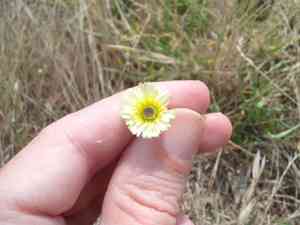
1.5 cm to 3 cm
Flower Color
White Yellow Red Brown
Images of Yellow Hawkweed

Quickly Identify Yellow Hawkweed
1
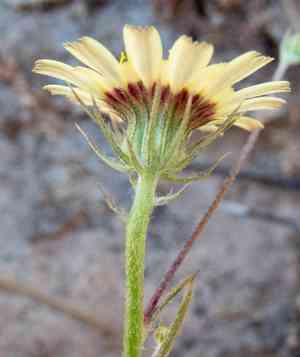
Tolpis barbata can be identified by its distinctive bristle-like hairs on the flower heads and its yellow ray florets. The leaves are finely dissected, giving a feathery appearance.
Scientific Classification of Yellow Hawkweed
Phylum
Vascular plants
Class
Dicotyledons
Order
Asterales
Family
Daisy
Genus
Tolpis
Species
Yellow Hawkweed
Planting and Growing of Yellow Hawkweed
Care Difficulty
Easy
Watering Schedule
Every 3 days
Sunlight Requirements
Full sun
Sunshine Duration
6-10 hours
Ideal Temperature
60-75℉
Soil Type
Potting Mix, Peat Mix
Soil pH
6.5-7.5
Fertilizer Type
Balanced
Pruning Season
Spring, Summer
Pruning Area
Branches, Leaves
Pruning Frequency
2 times a year
Repotting Season
Spring
Pot Type
Plastic, Ceramic
 How to Water Yellow Hawkweed?
For Tolpis barbata, it's essential to water the plant thoroughly but not excessively. Aim to provide around 250 milliliters of water per session. Ensure water reaches the root zone without leaving the soil soggy. The topsoil should be slightly moist to the touch, indicating correct hydration.
What are the symptoms of an underwatered Yellow Hawkweed?
›
What should I do if my Yellow Hawkweed is not getting enough water?
›
What are the symptoms of an overwatered Yellow Hawkweed?
›
How to save an overwatered Yellow Hawkweed?
›
 What Are the Sunlight Requirements for Yellow Hawkweed?
Full to partial sun exposure provides Tolpis barbata with sufficient light for optimal photosynthesis, enhancing growth and vibrant blooming. Ideal conditions allow for the healthy maturation of its lovely blooms and rich foliage.
What is the best way to position this plant for optimal sunlight?
›
How can I maximize the plant's exposure to ideal lighting indoors?
›
What benefits does optimal sunlight provide to Tolpis barbata?
›
 What Is the Ideal Temperature Range for Yellow Hawkweed?
The ideal temperature range for growing Tolpis barbata is between 60°F and 75°F. This range provides optimal conditions for photosynthesis, growth, and flowering. Maintaining this temperature ensures that the plant's biological processes occur at peak efficiency. It is crucial to monitor environmental temperatures closely to ensure that they remain within this optimal range, promoting robust and healthy growth.
 What Soil is Best for Yellow Hawkweed?
Tolpis barbata thrives in well-draining soils that prevent water accumulation around its roots. This condition helps avoid root rot and promotes healthy growth, ensuring that the plant receives adequate air circulation at the root level. While Tolpis barbata does not require highly fertile soil, a moderate level of organic matter is beneficial. This provides essential nutrients that support steady growth and contribute to the plant's vibrant foliage and flowers. Favored by Tolpis barbata, slight alkalinity in soil helps enhance nutrient absorption. This ensures the plant remains robust and floriferous, supporting its overall aesthetic appeal.
 How to Fertilize Yellow Hawkweed?
Tolpis barbata appreciates a balanced approach to fertilization, requiring about a quarter of the standard recommended dose for flowering perennials. This moderation ensures it receives adequate nutrients while preventing stress or potential damage from over-fertilization.
 How to Prune Yellow Hawkweed?
Begin pruning by first removing any dead or diseased stems close to the base. Then, focus on thinning crowded areas to improve air circulation. Trim back long stems to maintain a compact form, making cuts just above a leaf node. It's best to prune this plant early in the season for encouraging growth but avoid late autumn pruning to prevent new growth that might not survive colder weather. Pruning in early spring ensures vigorous new growth throughout the season.
More About Pruning Techniques→
 How to Propagate Yellow Hawkweed plant?
1
Begin by filling a seed tray with a sterilized soil mix. Sow the Tolpis barbata seeds lightly on the surface, ensuring they are evenly spaced, and press them gently into the soil. This prevents overcrowding and ensures proper air circulation.
2
After sowing, water the seeds gently with a fine mist to ensure the soil is adequately moist but not waterlogged. Consistent moisture is necessary for germination, but overwatering can lead to rot or fungal issues.
3
Place the seed tray in a warm location with bright, indirect sunlight. Tolpis barbata seeds need sufficient light to germinate, simulating the natural conditions they require in the wild.
 How to Repot Yellow Hawkweed plant?
1
Tolpis barbata shows signs like roots crowding out of the drainage holes and soil drying out faster than usual when ready for repotting. These indicators signal that the plant's current pot is becoming restrictive and a larger environment is required to accommodate its growth.
2
Opt for a pot that's 1-2 inches larger in diameter than the current one to allow space for growth without causing excessive water retention. A pot with drainage holes is essential to prevent waterlogging and root rot, supporting the plant's health and development.
3
Select a soil mix that provides excellent drainage and aeration to simulate the plant's natural environment. Well-draining sandy loam is ideal as it prevents water from stagnating while still holding adequate moisture for the roots, promoting healthy growth.
Learn More About Yellow Hawkweed Diseases
Anthracnose
Bacterial Leaf Spot
Bacterial Soft Rot
Bacterial Wilt
Black Spot
Chemical Injury
Crown Gall
Cyst Nematode
Damping-off
Downy Mildew
Drought Stress
Fusarium Wilt
Gray Mold
Leaf Curl
Leaf Spot
Mosaic
Nutrient Deficiency
Nutrient Toxicity
Powdery Mildew
Root Rot
Root-knot Nematode
Rusts
Sooty Mold
Spider Mites
Temperature Stress
Thrips Damage
White Mold



