How to Prune Nuttall's crinklemat?
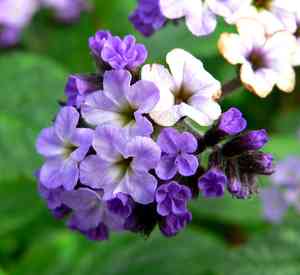
A robust arid-region shrub, nuttall's crinklemat flourishes with little upkeep. To foster denser foliage and uphold its appearance, perform a light trim in early spring. Refrain from extensive cutting to retain its inherent shape. Periodic trimming from spring through autumn can boost flowering and manage its expansion. Remove deceased or injured branches at any time to safeguard the plant's well-being. Consistent pruning guarantees excellent air movement and sun exposure, crucial for nuttall's crinklemat's vitality and blossom development.
What Are the Benefits of Pruning Nuttall's Crinklemat?
What Are the Benefits of Pruning Nuttall's Crinklemat?
Trimming nuttall's crinklemat boosts its strength and maintains an attractive shape. Consistent cutting encourages a sturdy framework, leading to denser, healthier development that better resists environmental pressures.
What Is the Best Time for Pruning Nuttall's Crinklemat?
What Is the Best Time for Pruning Nuttall's Crinklemat?
Pruning nuttall's crinklemat in Spring is optimal due to active growth, allowing quick healing of cuts and efficient new growth. Summer pruning helps maintain nuttall's crinklemat's form and size, while also removing any dead or diseased foliage from increased warm-weather disease pressure. Fall pruning aids in clearing damaged branches and preparing nuttall's crinklemat for dormancy, promoting better health and vigor for the next spring.
What Tools Do I Need to Prune Nuttall's Crinklemat?
Bypass Pruners
Perfect for clean, precise cuts on nuttall's crinklemat, bypass pruners minimize harm to the plant's delicate stems. Suitable for removing dead or overgrown branches, improving the plant's overall health and look.
Micro-Tip Snips
These are ideal for detailed work on nuttall's crinklemat, especially for thinning and shaping small, intricate branches without unduly stressing the plant.
Handheld Pruning Shears
For the denser areas of nuttall's crinklemat, handheld pruning shears offer the necessary leverage to cut through thicker, hard-to-reach branches, ensuring a neat growth habit without overcrowding.
How to Prune Nuttall's Crinklemat
Identify
Locate the withered or dead leaves on nuttall's crinklemat, which are typically dry, brown, and may be curled or crumpled.
Prepare
Gather the necessary tools for pruning nuttall's crinklemat. Use clean, sharp pruning shears to ensure precise cuts and prevent plant damage.
Cut
Carefully snip off the withered leaves at their base where they connect to the stem. Avoid pulling on the leaves to prevent tearing, which can harm nuttall's crinklemat.
Dispose
Properly discard the removed leaves to prevent any potential spread of disease or pests that might be present on the withered foliage.
Assess
After pruning, examine nuttall's crinklemat for any other signs of stress or damage and repeat the pruning process if more dead or unhealthy leaves are found.
Common Pruning Mistakes with Nuttall's Crinklemat
Overpruning
Excessively pruning nuttall's crinklemat in one go can cause stress and reduce the plant's vitality. Removing over a third of the plant in a single session can hinder its ability to photosynthesize effectively.
Improper cuts
Cutting too far from or too close to the nodes can harm nuttall's crinklemat. Optimal cuts should be made at a 45-degree angle just above a node or branching point, to encourage healthy regrowth.
Using dull tools
Employing unsharpened or dirty pruning tools can result in jagged cuts that heal poorly and are more vulnerable to disease.
Common Pruning Tips for Nuttall's Crinklemat
Target dead or weak stems
Focus on removing dead or weak stems from nuttall's crinklemat to help redirect the plant's energy towards stronger, more productive growth.
Encourage bushy growth
Pinching back the tips of young shoots during the growing season helps stimulate nuttall's crinklemat to develop a fuller, bushier form, enhancing its overall appearance and vigor.
Maintain plant shape
Regularly trimming nuttall's crinklemat to maintain its desired shape not only keeps it aesthetically pleasing but also promotes a healthier, more balanced growth pattern.



