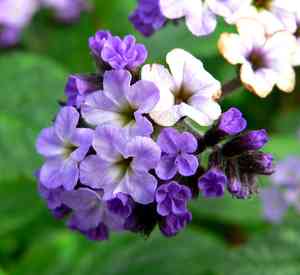
Nuttall's crinklemat (Tiquilia nuttallii)
Also known as: Nuttall sandmat
This species is located in the western regions of the United States, spanning from central Washington to western Colorado, as well as northern California and northern Arizona. Additionally, there is an isolated population in Missouri.
In This Article
Attributes of Nuttall's crinklemat
Lifespan
Annual
Plant Type
Herb
Plant Height
2-6 inches (5-15 cm)
Spread
Up to 3 feet (1 meter)
Leaf Color
Grayish-green
Flower Size
Up to 0.4 inches (1 cm)
Flower Color
Purple
Images of Nuttall's crinklemat
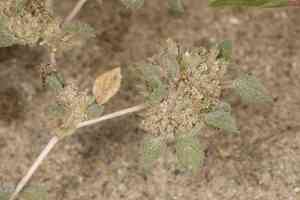
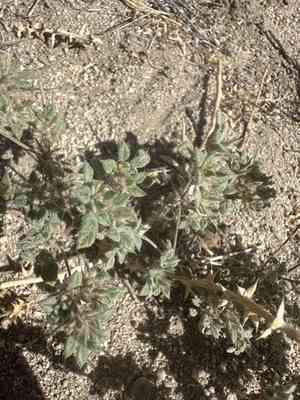
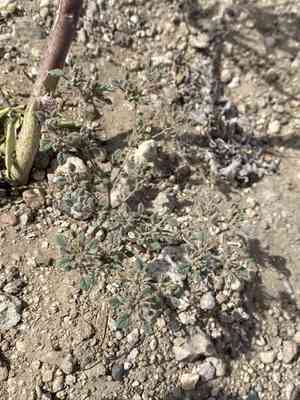
Quickly Identify Nuttall's crinklemat
1
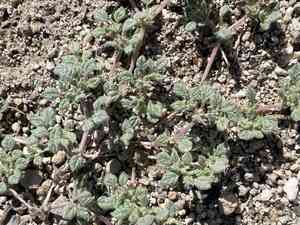
Tiquilia nuttallii can be identified by its crinkled, grayish-green leaves and small, funnel-shaped, purple flowers. It typically grows low to the ground, forming dense mats.
Scientific Classification of Nuttall's crinklemat
Phylum
Vascular plants
Class
Dicotyledons
Order
Boraginales
Family
Ehretiaceae
Genus
Tiquilia
Species
Nuttall's crinklemat
Planting and Growing of Nuttall's crinklemat
Care Difficulty
Easy
Watering Schedule
Every 2 days
Sunlight Requirements
Full sun
Sunshine Duration
4-8 hours
Ideal Temperature
60-80℉
Soil Type
Potting Mix, Peat Mix
Soil pH
6.5-7.5
Fertilizer Type
Balanced
Pruning Season
Spring, Summer
Pruning Area
Branches, Leaves
Pruning Frequency
2 times a year
Repotting Season
Spring
Pot Type
Plastic, Ceramic
 How to Water Nuttall's crinklemat?
For Tiquilia nuttallii, applying approximately 250 milliliters of water per session is recommended to avoid over-saturation. The soil should be moistened without becoming waterlogged, ensuring optimal root absorption.
What are the symptoms of an underwatered Nuttall's crinklemat?
›
What should I do if my Nuttall's crinklemat is not getting enough water?
›
What are the symptoms of an overwatered Nuttall's crinklemat?
›
How to save an overwatered Nuttall's crinklemat?
›
 What Are the Sunlight Requirements for Nuttall's crinklemat?
Tiquilia nuttallii thrives in full to partial sun. Adequate sunlight enhances its flowering and growth. Providing appropriate light boosts its physiological activities, fostering a healthier, more robust plant.
Solution Introduction
›
Actionable Measures
›
Effect of Ideal Lighting
›
 What Is the Ideal Temperature Range for Nuttall's crinklemat?
Why is a temperature range between 60°F and 80°F considered ideal for Tiquilia nuttallii? This range ensures optimal metabolic activity and growth. It supports efficient photosynthesis and minimizes stress on the plant, leading to healthier development.
 What Soil is Best for Nuttall's crinklemat?
Tiquilia nuttallii thrives in well-draining soil that prevents waterlogging. This characteristic is beneficial as it mimics its natural desert environment, assisting in healthy root development and reducing the risk of root rot. This plant favors nutrient-poor substrates, which are similar to its native habitat. This helps to prevent over-fertilization, ensuring the plant maintains its natural growth rate and physiological balance. Tiquilia nuttallii grows best in soil with low organic matter. This requirement is beneficial as it reduces competition with other plants and aligns with its adaptation to survive in harsh, arid conditions.
 How to Fertilize Nuttall's crinklemat?
For Tiquilia nuttallii, it’s essential to use a light hand when applying fertilizer. It’s best to use half the recommended amount on the package, as this plant thrives in nutrient-poor soils. Over-fertilization can lead to rapid growth, which weakens its structure and vitality.
 How to Prune Nuttall's crinklemat?
Start by removing any dead or diseased branches. This helps prevent the spread of disease and allows better light penetration to healthy parts of the plant. After removing undesired branches, shape the plant to promote even growth. Aim to achieve a symmetrical appearance while ensuring the center is not too dense. If your goal is to encourage blooms, leave some of the tips unpruned as this is where the flowers will likely emerge. Balancing pruning and bloom potential is key for a vibrant display.
More About Pruning Techniques→
 How to Propagate Nuttall's crinklemat plant?
1
Collect seeds during the plant's natural dispersal season. Clean and dry the seeds thoroughly to prevent fungal infections. Store them in a cool, dry place until you're ready to plant.
2
Fill seed trays with a well-draining potting mix. Sow the seeds evenly on the surface and cover with a thin layer of soil. Water lightly and place the trays in a warm location.
3
Choose healthy, non-flowering stems. Cut 4-6 inch sections using sharp pruning shears. Remove the lower leaves and dip the cut end in rooting hormone before planting.
 How to Repot Nuttall's crinklemat plant?
1
Tiquilia nuttallii shows signs of needing repotting when its roots begin to circle the inside of the pot or when growth becomes stunted. Repot in spring or autumn to minimize stress on the plant, utilizing periods of naturally favorable growing conditions.
2
Select a pot that is 1-2 inches wider in diameter than the current one, with adequate drainage holes at the base. A clay or terracotta pot is excellent as it provides additional breathability, ensuring a healthy root system by preventing waterlogging.
3
The ideal soil for Tiquilia nuttallii is well-draining with a good mix of sand to mimic its natural arid environment. This prevents root rot by ensuring excess water drains away quickly, allowing roots to access sufficient air.



