How to Prune Japanese lime?
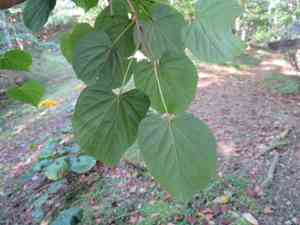
For the Japanese lime, a tree recognized for its cordate foliage and aromatic blossoms, the optimal periods for trimming are late winter or early spring, prior to the emergence of new leaves. Shape the plant by eliminating deceased or intersecting branches to preserve its vigor and form. Reducing the density of the canopy improves light access and air movement, which aids in development and flower yield. Refrain from making extensive cuts to avert strain. Trimming during its inactive phase reduces the likelihood of disease spread, guaranteeing a resilient plant.
What Are the Benefits of Pruning Japanese Lime?
What Are the Benefits of Pruning Japanese Lime?
Trimming japanese lime encourages robust development by eliminating dead or diseased wood, fostering improved air circulation and light penetration. Additionally, shaping japanese lime through trimming preserves its structural integrity, enhancing both its visual appeal and well-being.
What Is the Best Time for Pruning Japanese Lime?
What Is the Best Time for Pruning Japanese Lime?
Trimming japanese lime in late winter or early spring is ideal because this timing avoids the harshness of winter cold while the plant is dormant, and precedes the period of vigorous growth. This interval allows gardeners to clearly discern the plant's structure without leaves, enabling more precise cuts. Pruning before the spring growth surge ensures that wounds heal rapidly without diverting energy from new growth, which is vital for the health and vigor of japanese lime. Furthermore, pruning before the plant's sap begins to flow heavily in spring helps prevent excessive bleeding, which could weaken japanese lime. Avoiding the flowering or fruiting periods ensures that the plant's display and reproduction are not negatively impacted.
What Tools Do I Need to Prune Japanese Lime?
Bypass Pruners
Perfect for making clean cuts on japanese lime's smaller branches, typically up to 1/2 inch in diameter, ensuring rapid healing and less stress on the plant.
Loppers
Suitable for cutting slightly larger branches of japanese lime, up to 1 1/2 inches in diameter. The extended handles provide leverage for clean cuts without harming the plant.
Pruning Saw
Utilized for the largest branches of japanese lime, exceeding 1 1/2 inches in diameter. This tool enables cutting through thick wood without tearing, preventing damage to the trunk and major branches.
Pole Pruner
Useful for reaching higher branches of japanese lime without needing a ladder. It combines a saw and lopping shears, offering versatility for various branch sizes.
Hedge Shears
Appropriate for shaping the outer foliage of japanese lime when a formal shape or hedge is desired. These are particularly effective for trimming multiple small branches simultaneously.
How to Prune Japanese Lime
Clean tools
Before beginning, sanitize pruning tools with alcohol or a bleach solution to prevent disease transmission during the trimming of japanese lime.
Identify
Thoroughly inspect japanese lime to locate all dead and diseased branches. Look for branches exhibiting signs of decay, discoloration, or lacking leaves during the growing season.
Cut diseased branches
Using sharp tools, cut diseased branches on japanese lime at least several inches below the affected areas to ensure all compromised tissue is removed.
Cut dead branches
Remove dead branches on japanese lime by cutting at the point where they meet healthy wood. Ensure cuts are clean and at a slight angle to prevent water accumulation that could lead to rot.
Dispose
Properly discard all removed material from japanese lime to prevent the potential spread of disease and pests in the garden.
Common Pruning Mistakes with Japanese Lime
Over-pruning
Removing an excessive amount of foliage which can stress japanese lime and result in reduced vigor and an unattractive appearance.
Improper cut locations
Making cuts too close to the main stem or too far from a bud can lead to poor wound healing and increased susceptibility to disease.
Tearing bark
Not using sharp tools which can cause bark tearing, leading to unnecessary damage and potential entry points for pests and diseases.
Neglecting tool hygiene
Using uncleaned pruning tools can spread diseases from infected plants to healthy ones.
Random cutting
Pruning without a clear strategy or objective, risking the removal of important growth points or the plant's natural form.
Ignoring branch angles
Cutting without considering the branch's growth angle can result in water pooling at the cut site and promoting decay.
Common Pruning Tips for Japanese Lime
Sharp tools
Utilize clean, sharp pruning tools to make precise cuts, which encourage faster healing and reduce disease risks.
Plan before cutting
Visualize and plan the desired shape and structure of japanese lime before making any cuts, to maintain its natural form and beauty.
Three cut method
For large branches, employ the three-cut method to prevent bark ripping: an undercut, a cut further out from the undercut, and a final cut near the branch collar.
Consider branch size
Cut smaller branches at a 45-degree angle approximately a quarter inch above an outward-facing bud, while respecting the branch collar for larger limb cuts.
Thin crowded areas
Thin out congested areas to improve light penetration and air flow, reducing the potential for disease and enhancing japanese lime's overall health.
Gradual pruning
If extensive pruning is necessary, perform it gradually over a few seasons rather than all at once, to prevent stress and shock to japanese lime.
Follow natural shape
Trim japanese lime following its inherent habit and growth pattern to keep it looking aesthetically pleasing and healthy.



