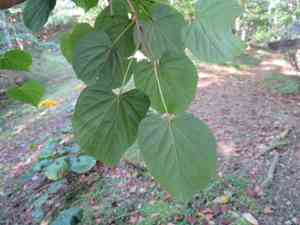
Japanese lime (Tilia japonica)
Also known as: Japanese Lime, Japanese Linden
A key trait that sets Tilia japonica apart from Tilia cordata and Tilia amurensis is the consistent presence of 5 staminodes in its inflorescences. This feature serves as a reliable differentiator.
In This Article
Attributes of Japanese lime
Lifespan
Perennial
Plant Type
Tree
Plant Height
15 m to 20 m
Spread
8 m
Leaf Color
Glossy green
Flower Size
0.5-1 centimeter
Flower Color
Yellow Green
Images of Japanese lime
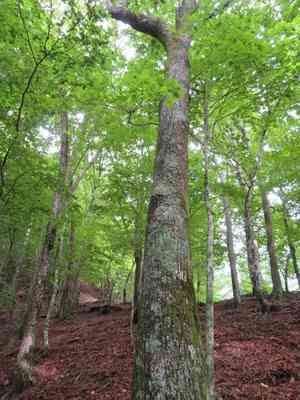
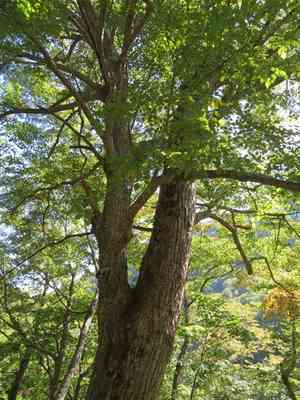
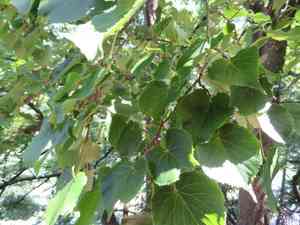
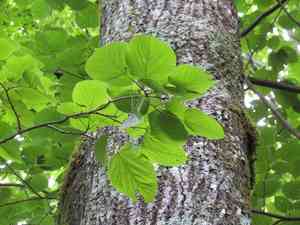
Quickly Identify Japanese lime
1
Identify Tilia japonica by its heart-shaped leaves with serrated edges, which are glossy green on top and paler underneath. It also produces small, fragrant, pale yellow flowers in clusters, and its fruit is a small, round nutlet.
Scientific Classification of Japanese lime
Phylum
Vascular plants
Class
Dicotyledons
Order
Malvales
Family
Mallow
Genus
Lindens
Species
Japanese lime
Planting and Growing of Japanese lime
Care Difficulty
Easy
Watering Schedule
Every 4 days
Sunlight Requirements
Partial sun
Sunshine Duration
4-8 hours
Ideal Temperature
60-72℉
Soil Type
Potting Mix, Peat Mix
Soil pH
5.5-7.5
Fertilizer Type
Balanced
Pruning Season
Spring, Summer
Pruning Area
Branches, Leaves
Pruning Frequency
2 times a year
Repotting Season
Spring
Pot Type
Plastic, Ceramic
 How to Water Japanese lime?
Tilia japonica, or the Japanese linden, thrives best when it is watered to ensure the soil is evenly moist but never waterlogged. In practical terms, aim for about 500 ml of water per session. The goal is to allow the water to penetrate the soil deeply, reaching the roots without leaving any standing water. This helps to establish a deep root system while preventing potential rot.
What are the symptoms of an underwatered Japanese lime?
›
What should I do if my Japanese lime is not getting enough water?
›
What are the symptoms of an overwatered Japanese lime?
›
How to save an overwatered Japanese lime?
›
 What Are the Sunlight Requirements for Japanese lime?
Partial sun or dappled shade is ideal, allowing Tilia japonica to thrive. Optimal light fosters more vigorous growth, lush foliage, and a higher resistance to stress factors.
What is the best lighting for Tilia japonica?
›
How can I achieve ideal lighting for my Tilia japonica?
›
What benefits does ideal lighting provide for Tilia japonica?
›
 What Is the Ideal Temperature Range for Japanese lime?
The ideal temperature range for cultivating Tilia japonica is between 60°F and 72°F. This range provides the plant with the most favorable conditions for photosynthesis and metabolic activities. Maintaining these temperatures helps ensure robust growth and vitality.
 What Soil is Best for Japanese lime?
Tilia japonica thrives in well-drained soil that prevents waterlogging, which can otherwise lead to root rot. This ensures the tree's roots are healthy and efficiently absorb essential nutrients. While it requires good drainage, the soil also needs the ability to retain some moisture. This balance helps the plant withstand periods of drought, promoting consistent growth. A nutrient-rich soil fosters Tilia japonica's growth, providing necessary minerals and compounds. Regular additions of compost can enhance soil fertility, ensuring the plant remains vigorous and hearty.
 How to Fertilize Japanese lime?
Tilia japonica thrives with a balanced approach to fertilization. Ideal amounts involve applying around 25 grams of a balanced 10-10-10 NPK fertilizer per tree, ensuring even distribution around the root zone to promote healthy growth.
 How to Prune Japanese lime?
Begin with the removal of dead or crossing branches. Then, thin out overcrowded areas to improve air circulation and light penetration. Always cut just above a bud that faces the outside to encourage outward growth. In early Spring, before the buds break, perform structural pruning to establish a strong framework. In Autumn, focus on shaping and removing any branches that can lead to potential winter damage.
More About Pruning Techniques→
 How to Propagate Japanese lime plant?
1
Harvest seeds from mature Tilia japonica pods when they are brown and dry. Ensure seeds are extracted carefully to avoid crushing, as delaying collection could reduce viability.
2
Take 6-8 inch cuttings from healthy, semi-hardwood branches. Remove leaves from the lower half and dip the cut end in rooting hormone to promote faster growth.
3
Select a healthy rootstock and a scion from the desired plant. Make a clean cut on both and join using grafting tape, ensuring proper alignment of vascular tissues for successful grafting.
 How to Repot Japanese lime plant?
1
Repot Tilia japonica when roots start circling the pot or protruding through drainage holes. Additionally, a decrease in plant vigor or poor soil drainage indicates a need for repotting. Ideally, do it in early spring or autumn when the plant is not actively growing.
2
Choose a pot that is one size larger than the current one, with adequate drainage holes. A bigger pot prevents waterlogging, ensuring healthy root growth by allowing excess water to escape. A ceramic or clay pot adds weight, providing stability for the plant's growth.
3
Opt for a loamy, well-draining soil mix. Such soil provides the ideal balance between retaining moisture and allowing excess water to drain, preventing root rot and promoting healthy root aeration. Adding perlite or sand can help improve drainage further.
Learn More About Japanese lime Diseases
Anthracnose
Bacterial Leaf Spot
Black Spot
Chemical Injury
Crown Gall
Damping-off
Downy Mildew
Drought Stress
Fusarium Wilt
Gray Mold
Leaf Curl
Leaf Spot
Mosaic
Nutrient Deficiency
Nutrient Toxicity
Powdery Mildew
Root Rot
Root-knot Nematode
Rusts
Sooty Mold
Spider Mites
Temperature Stress
Thrips Damage
White Mold



