How to Prune Shrubby honeysweet?
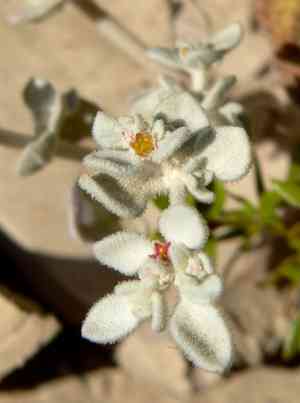
Shrubby honeysweet is a resilient, arid-resistant bush characterized by its compact, ligneous framework and diminutive, silver-hued foliage. To preserve its form and vigor, trim shrubby honeysweet in the latter part of winter or early spring prior to the emergence of new shoots. Eliminate deceased or impaired limbs and reduce superfluous growth to enhance air movement. Consistent trimming assists in averting congestion and fosters more prolific flowering. Employ disinfected implements to avert the dissemination of pathogens. Pruning also contributes to managing the plant's dimensions, which is crucial in horticultural environments.
What Are the Benefits of Pruning Shrubby Honeysweet?
What Are the Benefits of Pruning Shrubby Honeysweet?
Trimming shrubby honeysweet encourages robust development and maintains the plant's form, ensuring its health and visual appeal. Regular trimming helps control size, improves light penetration, and lowers disease risk by enhancing air flow.
What Is the Best Time for Pruning Shrubby Honeysweet?
What Is the Best Time for Pruning Shrubby Honeysweet?
Trimming or shaping shrubby honeysweet during early spring or late winter is considered ideal for several reasons. First, these periods precede the active growth phase, minimizing plant stress and allowing energy to focus on new growth. Additionally, shrubby honeysweet can quickly recover from pruning cuts once growth begins, reducing infection or pest risks. Pruning in early spring or late winter also enables gardeners to effectively shape the plant before budding, ensuring better control over its structure and dimensions.
What Tools Do I Need to Prune Shrubby Honeysweet?
Hand Pruners
Perfect for clipping small branches and stems, especially for the delicate, precise cuts required for shrubby honeysweet. They help preserve the plant's shape without causing significant harm.
Bypass Pruners
Suitable for making clean cuts on living wood, which is crucial to avoid crushing shrubby honeysweet stems. This tool works well for branches up to 1/2 inch in diameter.
Loppers
Useful for cutting thicker branches that hand pruners cannot manage. They offer extra leverage and precision, necessary for handling shrubby honeysweet's woody parts that are harder to reach with smaller tools.
Pruning Saw
Essential for cutting through the thicker, more established woody branches of shrubby honeysweet. Choose a saw with fine teeth for smoother cuts and to minimize tearing.
Hedge Shears
While not always essential, they can be beneficial for maintaining the shape of shrubby honeysweet if it is grown as a more formal hedge or border.
How to Prune Shrubby Honeysweet
Inspection
Carefully examine the plant for diseased and withered leaves, paying close attention to any signs of discoloration, spots, or unusual textures.
Tools Sterilization
Before pruning, sanitize your pruning shears, scissors, or knives using rubbing alcohol or a bleach solution to prevent disease spread.
Remove Diseased Leaves
Carefully snip off any diseased leaves at the base of the leaf stem, ensuring clean cuts to prevent further damage.
Delete Withered Leaves
Remove withered leaves by cutting them off at the nearest healthy part of the plant. Ensure no stubs are left, as these can become sites for decay or disease.
Dispose Safely
Immediately discard the trimmed leaves away from the plant. Do not compost these parts, as they may carry diseases that can infect other plants.
Common Pruning Mistakes with Shrubby Honeysweet
Over-pruning
Removing too much foliage can stress shrubby honeysweet, hindering its ability to photosynthesize and potentially leading to poor growth or death.
Incorrect cuts
Making improper cuts can harm plant tissue, increase disease susceptibility, and create entry points for pests.
Pruning at the wrong time
Pruning at inappropriate times can disrupt shrubby honeysweet's growth cycle, resulting in fewer blooms and unhealthy growth patterns.
Not using sterilized tools
Using unsterilized tools can introduce pathogens to shrubby honeysweet, increasing the risk of infections and diseases.
Neglecting to remove dead or diseased wood
Failing to remove dead or diseased branches can spread illness throughout shrubby honeysweet, compromising its overall health.
Common Pruning Tips for Shrubby Honeysweet
Use sharp, clean tools
Always use sharp and sterile pruning shears to make clean cuts, reducing the risk of plant damage and disease.
Follow the natural shape
When pruning shrubby honeysweet, aim to maintain its natural shape to encourage balanced growth and a visually appealing appearance.
Cut at an angle
Make cuts at a 45-degree angle, just above a leaf node or bud, to promote healthy new growth and prevent water from pooling on the cut surface.
Remove crossing branches
Eliminate any branches that cross or rub against each other to prevent wounds and ensure good air circulation within the plant.
Step back and assess
Regularly step back and evaluate shrubby honeysweet during pruning to ensure a balanced and symmetrical form, avoiding over-pruning in one area.


