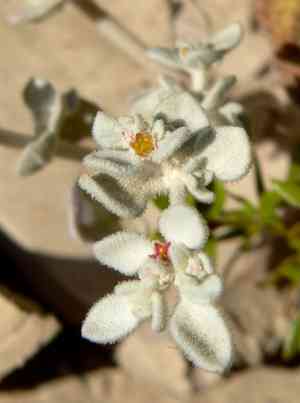
Shrubby honeysweet (Tidestromia suffruticosa)
Also known as: Honeysweet
Shrubby honeysweet is a hardy shrub adept at surviving in harsh, arid environments. Its deep root system allows it to tap into underground water sources, while its small, waxy leaves minimize water loss. The plant can also shed its leaves during extreme drought to conserve moisture. Additionally, its low-growing stature and thorny branches provide protection from herbivores and reduce water loss, aiding its survival in the intense desert climate.
In This Article
Attributes of Shrubby honeysweet
Lifespan
Tidestromia suffruticosa is a perennial plant, meaning it has a life cycle of more than two years.
Plant Type
Herb
Plant Height
0 mm to 30 cm
Spread
20-50 cm
Leaf Color
Silver-gray
Flower Size
Small, less than 1 cm
Flower Color
Yellow
Images of Shrubby honeysweet
Quickly Identify Shrubby honeysweet
1
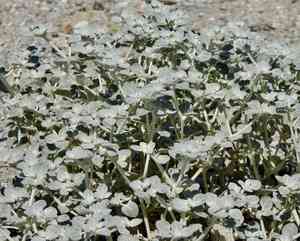
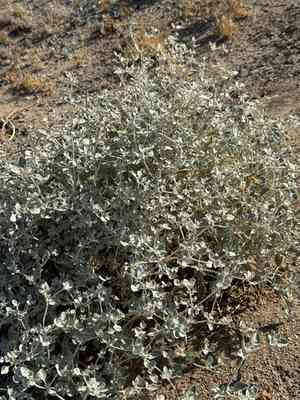
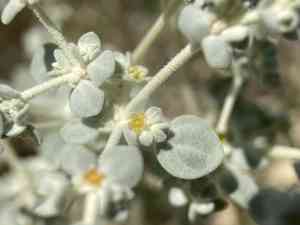
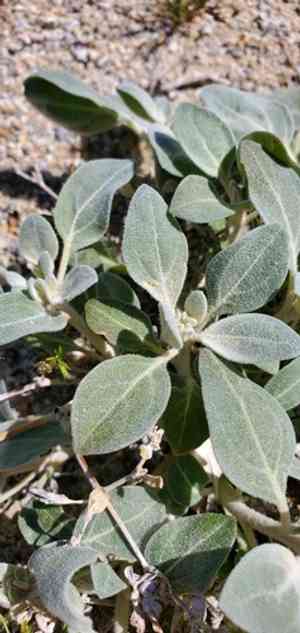
This plant can be identified by its woolly textured foliage and silver-gray color, which helps it to blend in with the desert surroundings. It often forms low-growing mats.
Scientific Classification of Shrubby honeysweet
Phylum
Vascular plants
Class
Dicotyledons
Order
Caryophyllales
Family
Amaranth
Genus
Honeysweets
Species
Shrubby honeysweet
Planting and Growing of Shrubby honeysweet
Care Difficulty
Easy
Watering Schedule
Every 2 days
Sunlight Requirements
Full sun
Sunshine Duration
6-10 hours
Ideal Temperature
65-75℉
Soil Type
Potting Mix, Peat Mix
Soil pH
6.5-7.5
Fertilizer Type
Balanced
Pruning Season
Spring, Summer
Pruning Area
Branches, Leaves
Pruning Frequency
2 times a year
Repotting Season
Spring
Pot Type
Terracotta, Plastic
 How to Water Shrubby honeysweet?
Tidestromia suffruticosa requires careful attention to its watering needs. Ideally, you should water with about 250 ml each time, ensuring the soil becomes moist but not overly saturated. The key principle is to allow the top layer of soil to dry out between waterings to prevent root rot.
What are the symptoms of an underwatered Shrubby honeysweet?
›
What should I do if my Shrubby honeysweet is not getting enough water?
›
What are the symptoms of an overwatered Shrubby honeysweet?
›
How to save an overwatered Shrubby honeysweet?
›
 What Are the Sunlight Requirements for Shrubby honeysweet?
Tidestromia suffruticosa prefers a range of full sun to partial sun. This range helps maintain its robust physical structure and maximizes bloom production, ensuring a healthy, thriving plant.
What is Tidestromia suffruticosa's ideal lighting?
›
How can I achieve ideal lighting for Tidestromia suffruticosa?
›
What are the benefits of ideal lighting for Tidestromia suffruticosa?
›
 What Is the Ideal Temperature Range for Shrubby honeysweet?
The ideal temperature range for Tidestromia suffruticosa is between 65°F and 75°F. This range ensures optimal growth by mimicking the plant's native habitat. Consistent temperatures within this range allow the plant to perform essential functions such as photosynthesis and respiration efficiently.
 What Soil is Best for Shrubby honeysweet?
Tidestromia suffruticosa thrives in well-draining soil that prevents root rot by allowing excess water to flow away. This is particularly vital for maintaining the health of the plant in climates with inconsistent rainfall. This plant prefers soils that are not overly rich in nutrients, aligning with its native habitat. Excessive nutrients can harm its growth, making minimal fertilization key for its vitality. An aerated soil structure is crucial for Tidestromia suffruticosa, as it allows roots to access oxygen easily, promoting healthy growth and resilience against pathogens.
 How to Fertilize Shrubby honeysweet?
For Tidestromia suffruticosa, the appropriate fertilizer amount is crucial as it influences the plant's growth and flowering. A mild concentration of balanced NPK (Nitrogen-Phosphorus-Potassium) fertilizer diluted to half strength is usually recommended for liquid fertilizers. This gentle approach ensures the plant receives adequate nutrients without risking root burn or over-fertilization.
 How to Prune Shrubby honeysweet?
Begin by inspecting the plant for dead, damaged, or diseased branches. Use sharp pruning shears to cut these parts away, encouraging new growth. Aim to prune back to a healthy bud or branch to ensure the plant's energy is concentrated on productive growth. Tidestromia suffruticosa can benefit from shaping to encourage a more compact growth habit. Trim back any overly long or unruly branches to maintain a desired shape and size. This process not only keeps the plant looking tidy but also increases air circulation and light penetration.
More About Pruning Techniques→
 How to Propagate Shrubby honeysweet plant?
1
Ensure you obtain high-quality seeds from a reputable source. Quality seeds have a higher germination rate and lead to a healthier plant development process, crucial for initial growth.
2
A well-draining potting mix is vital. Combine equal parts of compost, perlite, and sand. The mix should hold moisture without becoming waterlogged, ensuring roots don’t rot.
3
For seeds, sow them into the mix, covering lightly. For cuttings, dip in rooting hormone and plant into the mix. This step requires careful handling to avoid stress on the plant material.
 How to Repot Shrubby honeysweet plant?
1
Look for signs like roots emerging from the drainage holes, soil drying out quickly, or the plant becoming top-heavy to indicate it's time for repotting. Typically, repotting Tidestromia suffruticosa is best done every few years when active growth is observed, ensuring its health and continued growth.
2
Select a pot that is one size larger than the current one with adequate drainage holes. This ensures sufficient room for root expansion, preventing root-bound conditions, and helps avoid waterlogging, promoting healthy plant development and vigor.
3
Choose a sandy, well-draining soil mix to mimic its natural, arid habitats. This type of soil prevents root rot and ensures the roots get adequate oxygen, maintaining a balanced moisture level necessary for optimal plant health.
Learn More About Shrubby honeysweet Diseases
Anthracnose
Bacterial Leaf Spot
Bacterial Soft Rot
Bacterial Wilt
Black Spot
Chemical Injury
Crown Gall
Cyst Nematode
Damping-off
Downy Mildew
Drought Stress
Fusarium Wilt
Gray Mold
Leaf Curl
Leaf Spot
Mosaic
Nutrient Deficiency
Nutrient Toxicity
Powdery Mildew
Root Rot
Root-knot Nematode
Rusts
Sooty Mold
Spider Mites
Temperature Stress
Thrips Damage
White Mold


