How to Prune Bristleleaf pricklyleaf?
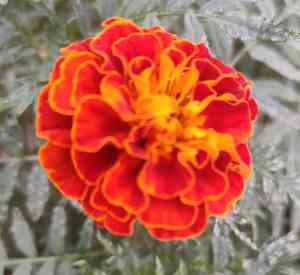
Bristleleaf pricklyleaf, a robust perennial featuring yellow daisy-like blossoms, flourishes with consistent trimming. Remove any lifeless or frail stalks to preserve its form and foster denser development. Perform pruning in the spring subsequent to the final frost to stimulate fresh flowering and enhance air movement. Gentle shaping during the summer and autumn periods can also encourage additional blooms. Refrain from extensive cutting in late autumn to safeguard emerging shoots. Pruning aids bristleleaf pricklyleaf by intensifying its vivid appearance and general well-being.
What Are the Benefits of Pruning Bristleleaf Pricklyleaf?
What Are the Benefits of Pruning Bristleleaf Pricklyleaf?
Trimming bristleleaf pricklyleaf promotes robust development and aids in maintaining its desired form. Consistent cutting revitalizes bristleleaf pricklyleaf, encouraging new foliage and keeping it compact.
What Is the Best Time for Pruning Bristleleaf Pricklyleaf?
What Is the Best Time for Pruning Bristleleaf Pricklyleaf?
For bristleleaf pricklyleaf, optimal pruning periods are late spring, early summer, and early fall. Pruning in late spring coincides with the plant's initial growth surge after frost danger has passed, establishing its structure and fostering healthier, denser growth. Early summer is suitable for removing any unwanted or overgrown foliage, which will stimulate a second growth phase and ensure the plant remains compact and visually appealing throughout the growing season. Early fall pruning should be conservative, focusing on eliminating dead or diseased parts to strengthen bristleleaf pricklyleaf before its winter dormancy. This timing prevents cold damage, as late fall or winter pruning can lead to frost damage on fresh cuts. Seasonal factors, such as temperature and local climate, should be considered to avoid pruning during excessively hot or cold periods, ensuring the best outcome for bristleleaf pricklyleaf's health and vitality.
What Tools Do I Need to Prune Bristleleaf Pricklyleaf?
Hand Pruners
Perfect for precise cuts on bristleleaf pricklyleaf's delicate stems and removing dead or overgrown branches. Choose bypass pruners for clean cuts that support healthy growth.
Gardening Gloves
Recommended for safeguarding hands from bristleleaf pricklyleaf's spiky foliage during pruning activities.
Pruning Saw
Useful for managing larger stems or older growth that hand pruners cannot handle. However, given bristleleaf pricklyleaf's relatively small size, this tool might only be necessary for mature plants with thickened woody stems.
Garden Scissors
Ideal for shaping bristleleaf pricklyleaf or snipping off small, tender shoots. The short blades allow for meticulous control and minimal damage to adjacent foliage.
How to Prune Bristleleaf Pricklyleaf
Clean Tools
Before pruning bristleleaf pricklyleaf, sanitize pruning tools using rubbing alcohol or a bleach solution to prevent disease transmission.
Inspect
Examine bristleleaf pricklyleaf for indications of diseased leaves, withered leaves, dead branches, and diseased branches, which will require removal.
Excise Damaged Leaves
Remove any diseased or withered leaves from bristleleaf pricklyleaf by cutting them at the base of the leaf stem, using sharp, clean scissors or hand pruners.
Remove Dead Wood
Carefully remove dead and diseased branches from bristleleaf pricklyleaf by cutting at a 45-degree angle, just above a live bud or branch junction to promote healthy new growth.
Clean Up
After pruning, dispose of all removed plant material away from bristleleaf pricklyleaf to minimize the risk of disease spread and tidy up the area to maintain a clean growing environment.
Common Pruning Mistakes with Bristleleaf Pricklyleaf
Over Pruning
Removing too much foliage can stress bristleleaf pricklyleaf, potentially leading to reduced vigor and fewer flowers.
Uneven Pruning
Pruning bristleleaf pricklyleaf unevenly can result in a lopsided shape that may affect both aesthetic appeal and plant health.
Using Dull Tools
Dull pruning tools can damage the stems of bristleleaf pricklyleaf, leading to jagged cuts that are more susceptible to disease.
Neglecting Tool Hygiene
Not cleaning pruning tools before use can spread disease between plants, especially if the tools were previously used on an infected plant.
Ignoring Dead Or Damaged Growth
Failing to remove dead or damaged growth can inhibit new growth and potentially invite pests and diseases.
Pruning Too Short
Cutting stems too short can remove the majority of the active growth points, hindering bristleleaf pricklyleaf's ability to flourish.
Common Pruning Tips for Bristleleaf Pricklyleaf
Inspect Before Pruning
Carefully inspect bristleleaf pricklyleaf to identify which areas require pruning for optimal plant health and shape.
Sharp Clean Tools
Always use sharp, clean tools to make clean cuts that bristleleaf pricklyleaf can quickly heal over.
Angled Cuts
Make angled cuts just above leaf nodes to encourage healthy new growth and to prevent water from accumulating on the cut surface.
Prune For Shape
Prune bristleleaf pricklyleaf to maintain its natural mound-like shape, which will also facilitate sunlight exposure and air circulation.
Thin Out Density
Thin out dense areas to increase air circulation, which helps prevent fungal diseases and encourages stronger branches.
Encourage Bushiness
Regularly pinch off the growing tips of bristleleaf pricklyleaf, which will encourage bushiness and prevent legginess.



