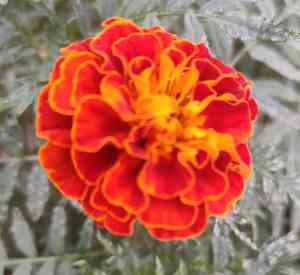
Bristleleaf pricklyleaf (Thymophylla tenuiloba)
Also known as: Small bristleleaf pricklyleaf, Shooting star
The Thymophylla tenuiloba, often known as the Dahlberg daisy, is a flowering plant native to Mexico and Texas. Despite its nickname, it is not related to true daisies. This resilient plant is a popular choice for desert gardens and potted arrangements in arid regions.
In This Article
Attributes of Bristleleaf pricklyleaf
Lifespan
Perennial, Annual, Biennial
Plant Type
Herb
Plant Height
15 cm to 30 cm
Spread
15 cm to 20 cm
Leaf Color
Green
Flower Size
2.5 cm
Flower Color
Yellow
Images of Bristleleaf pricklyleaf
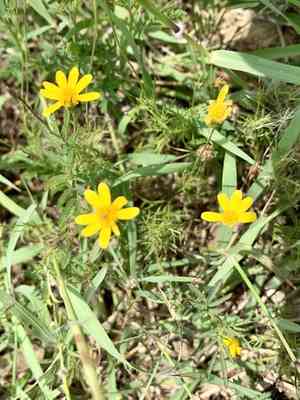
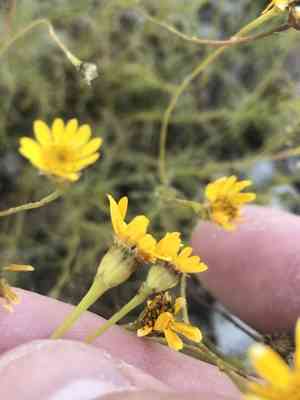
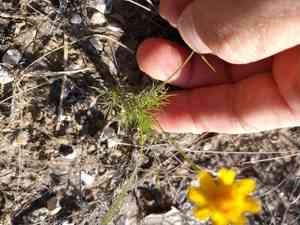
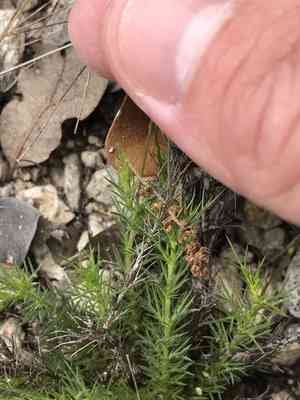
Quickly Identify Bristleleaf pricklyleaf
1
Vivid yellow daisy-like blooms
2
Thread-like aromatic leaves
3
Smooth green stems, bushy growth
4
Tiny oblong brown achenes
5
Symmetrical 1/2 inch yellow flowers
Scientific Classification of Bristleleaf pricklyleaf
Phylum
Vascular plants
Class
Dicotyledons
Order
Asterales
Family
Daisy
Genus
Pricklyleaf
Species
Bristleleaf pricklyleaf
Planting and Growing of Bristleleaf pricklyleaf
Care Difficulty
Easy
Watering Schedule
Every 8 days
Sunlight Requirements
Full sun
Sunshine Duration
4-8 hours
Ideal Temperature
70-85℉
Soil Type
Potting Mix, Peat Mix
Soil pH
6.5-7.5
Fertilizer Type
Balanced
Pruning Season
Spring, Summer
Pruning Area
Branches, Leaves
Pruning Frequency
2 times a year
Repotting Season
Spring
Pot Type
Plastic, Ceramic
 How to Water Bristleleaf pricklyleaf?
Thymophylla tenuiloba, commonly referred to as Dahlberg daisy, thrives with watering that keeps the soil evenly moist but never soggy. When watering, aim to provide about 250 milliliters per session, ensuring moisture reaches the root zone but does not leave standing water. This maintains its bright, cheerful blooms and lacy foliage in prime condition.
What are the symptoms of an underwatered Bristleleaf pricklyleaf?
›
What should I do if my Bristleleaf pricklyleaf is not getting enough water?
›
What are the symptoms of an overwatered Bristleleaf pricklyleaf?
›
How to save an overwatered Bristleleaf pricklyleaf?
›
 What Are the Sunlight Requirements for Bristleleaf pricklyleaf?
Thymophylla tenuiloba thrives in full sun and requires consistent full sunlight to maximize blooming and sustain robust growth. Adequate full sunlight ensures vigorous plant health and prolific flowering.
More About Sunlight Requirements Techniques→
Best location for growing
›
Solutions to provide ideal light
›
Benefits of optimal lighting conditions
›
 What Is the Ideal Temperature Range for Bristleleaf pricklyleaf?
The ideal temperature range for growing Thymophylla tenuiloba is between 70°F and 85°F. This temperature range provides the optimum conditions for photosynthesis and growth. In this range, the plant can efficiently absorb nutrients and conduct photosynthesis, which promotes flowering and healthy leaf development.
 What Soil is Best for Bristleleaf pricklyleaf?
Thymophylla tenuiloba thrives in well-drained soil which prevents root rot by ensuring excess water is quickly removed. This allows air to reach the roots, promoting growth and vibrant foliage. This plant does well in soil with moderate fertility, where nutrient levels provide sufficient sustenance without overwhelming the roots, ensuring balanced growth and blooming. A slightly acidic to neutral pH between 6.5 to 7.5 fosters optimal nutrient uptake, leading to healthy growth and abundant flowering in Thymophylla tenuiloba.
 How to Fertilize Bristleleaf pricklyleaf?
For Thymophylla tenuiloba, using a balanced 10-10-10 or 20-20-20 liquid fertilizer diluted to half strength is advisable. Apply approximately 1 tablespoon per gallon of water. This ensures the nutrients are available without overwhelming the plant's roots.
 How to Prune Bristleleaf pricklyleaf?
To begin pruning Thymophylla tenuiloba, first gather sharp pruning shears to make clean cuts that promote quick healing. Ensure the blades are sanitized to avoid transmitting any diseases. Consider wearing gloves to protect your hands from any sharp or rough stems. Establish a clear vision of the desired shape of your plant before starting. Start by removing any dead, diseased, or damaged stems at their base to prevent the spread of disease. Next, cut back any leggy growth to encourage bushiness. Trim for shape by cutting just above a node or leaf set to direct the plant's growth outward. Avoid removing more than one-third of the plant at a time to prevent shock.
More About Pruning Techniques→
 How to Propagate Bristleleaf pricklyleaf plant?
1
Fill the seed tray with a well-draining potting mix, leaving some space at the top. Lightly water the soil to ensure it is evenly moist.
2
Sow the Thymophylla tenuiloba seeds on the surface of the soil. Press them down gently without covering them completely, as they need light to germinate.
3
Place the seed tray in a warm, sunny spot. Keep the soil consistently moist by lightly misting it with water every day.
4
Once seedlings have developed true leaves, transplant them into individual pots or directly into the garden, ensuring they have enough sunlight.
 How to Repot Bristleleaf pricklyleaf plant?
1
Thymophylla tenuiloba should be repotted when you notice roots emerging from the drainage holes, the soil drying out excessively fast, or when growth becomes stunted. These are clear signals that the plant has outgrown its current pot and needs more space to thrive. Choose a mild spring day to ensure optimal recovery.
2
Selecting the right pot involves finding one that is only slightly larger than the current pot; typically, 1 to 2 inches in diameter increase is sufficient. This ensures minimal transplant shock while allowing room for growth. Terracotta or ceramic pots are ideal due to their breathability, which helps prevent root rot by allowing excess moisture to evaporate.
3
Opt for a well-draining sandy soil mix, as Thymophylla tenuiloba thrives in conditions with excellent drainage. The soil should be slightly gritty, ensuring water does not pool around the roots, thereby reducing the risk of root rot and fungal diseases. Incorporating organic matter can provide essential nutrients.



