How to Prune Navajo tea?
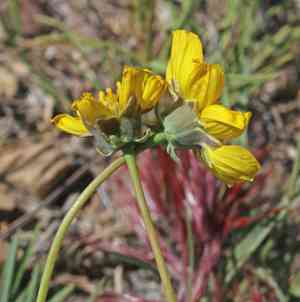
Recognized for its delicate, filament-like foliage and brilliant yellow blossoms, navajo tea thrives with regular trimming to preserve its form and vitality. Essential methods involve removing faded flowers and shortening elongated stalks. The ideal period for this is from late winter to early spring, coinciding with the plant's inactive phase to encourage robust development. Consistent trimming leads to a fuller canopy and enhanced blooming. Always sterilize instruments to avert the spread of pathogens.
What Are the Benefits of Pruning Navajo Tea?
What Are the Benefits of Pruning Navajo Tea?
Trimming navajo tea encourages robust development and helps maintain its form, ensuring it stays healthy and visually appealing.
What Is the Best Time for Pruning Navajo Tea?
What Is the Best Time for Pruning Navajo Tea?
Trimming navajo tea in late winter or early spring is optimal as it allows the plant to recover quickly when its active growth period begins. During these times, navajo tea is either dormant or just emerging from dormancy, which reduces stress on the plant and fosters healthy growth. Additionally, pruning then helps shape the plant, remove dead or damaged branches, and prepare it for a strong flowering and growth season. Correct timing ensures the plant's energy is directed towards new growth instead of healing wounds from late-season pruning.
What Tools Do I Need to Prune Navajo Tea?
Hand Pruners
Perfect for trimming and shaping navajo tea due to its small to medium size. Use bypass pruners for clean cuts and anvil pruners for thicker stems.
Pruning Shears
Crucial for precise cuts on more delicate parts, promoting a healthier growth pattern.
Scissors
Suitable for detailed work and removing smaller stems and leaves without harming other parts of navajo tea.
Gloves
Protect your hands from potential irritants and ensure a firm grip while pruning.
How to Prune Navajo Tea
Assessment
Inspect navajo tea to identify any diseased or withered leaves. This initial check helps determine which areas need trimming to maintain plant health.
Cleaning
Sanitize your pruning shears with rubbing alcohol to prevent the spread of disease from one part of the plant to another.
Removal Diseased Leaves
Carefully cut away any diseased leaves at their base. Ensure clean cuts to minimize damage and facilitate proper healing.
Removal Withered Leaves
Remove withered leaves by gently snipping them off where they attach to the stem. Be careful not to harm healthy parts of the plant.
Disposal
Safely discard the trimmed diseased and withered leaves away from the garden area to prevent any potential disease spread.
Common Pruning Mistakes with Navajo Tea
Over-pruning
Removing too much foliage at once can stress navajo tea, leading to stunted growth and fewer blooms.
Improper techniques
Using dull or dirty pruning tools can result in jagged cuts, increasing the risk of disease or pest infestations.
Pruning at the wrong time
Trimming outside of the optimal growth phases can hinder blooming and may cause dieback.
Neglecting deadheading
Failing to remove spent flowers can lead to reduced flowering and poor plant health.
Cutting too close to the root
Pruning too low or near the base can impair the plant's ability to regenerate.
Common Pruning Tips for Navajo Tea
Use sharp, clean tools
Ensure your pruning shears are clean and sharp to make precise cuts, minimizing damage to navajo tea.
Deadhead regularly
Remove spent flowers to encourage continuous blooming and maintain overall plant health.
Focus on trimming lightly
Prune lightly and frequently rather than making drastic cuts to avoid stressing the plant.
Aim for healthy architecture
Shape navajo tea by removing any dead, damaged, or diseased stems to promote good air circulation and robust growth.
Consider plant size
Keep navajo tea compact and manageable by periodically trimming back the outer edges without cutting into old wood.



