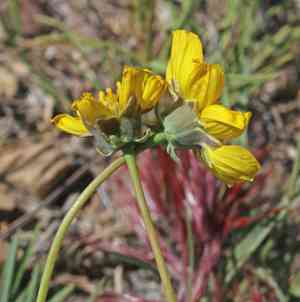
Navajo tea (Thelesperma subnudum)
Also known as: Greenthread, Hopi tea greenthread
Navajo tea is a hardy perennial herb that flourishes in arid, open areas. Its deep root system helps it tap into scarce water reserves, while its slender stems and fine leaves are designed to minimize water loss. The plant's bright yellow flowers attract pollinators and thrive under intense sunlight, adding a splash of color to the otherwise muted landscape. Its drought-resistant characteristics enable it to survive and prosper in environments with irregular moisture.
In This Article
Attributes of Navajo tea
Lifespan
Perennial
Plant Type
Herb
Plant Height
30-60 cm
Spread
N/A
Leaf Color
Green
Flower Size
1-2 cm
Flower Color
Yellow
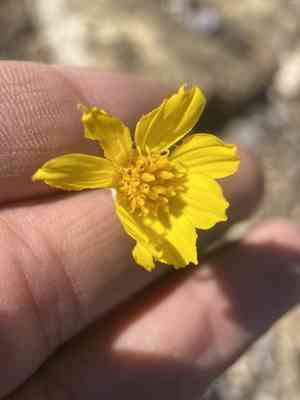
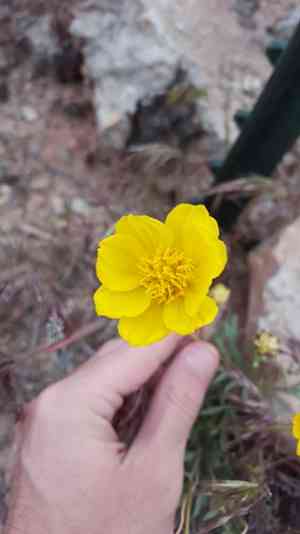
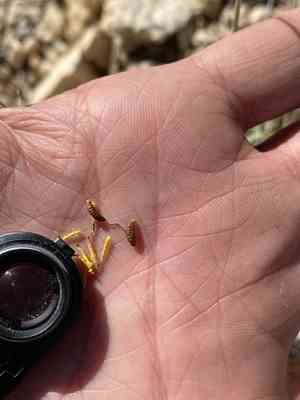
Images of Navajo tea
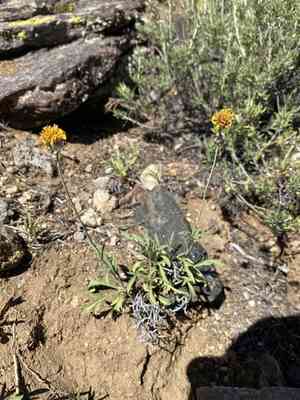
Quickly Identify Navajo tea
1
Identify Thelesperma subnudum by its slender, erect stems which can range from green to reddish brown, its pinnately divided leaves, and the bright yellow, daisy-like flowers. The plant typically grows in dry, sandy, or rocky soils.
Scientific Classification of Navajo tea
Phylum
Vascular plants
Class
Dicotyledons
Order
Asterales
Family
Daisy
Genus
Thelesperma
Species
Navajo tea
Planting and Growing of Navajo tea
Care Difficulty
Easy
Watering Schedule
Every 2 days
Sunlight Requirements
Full sun
Sunshine Duration
4-8 hours
Ideal Temperature
60-70℉
Soil Type
Potting Mix, Peat Mix
Soil pH
6.5-7.5
Fertilizer Type
Balanced
Pruning Season
Spring, Summer
Pruning Area
Branches, Leaves
Pruning Frequency
2 times a year
Repotting Season
Spring
Pot Type
Ceramic, Plastic
 How to Water Navajo tea?
Thelesperma subnudum requires a moderate watering approach. Ensure water thoroughly penetrates the soil without creating a pool at the base. Water about 200 ml each session, making sure the soil is consistently moist but never soggy.
What are the symptoms of an underwatered Navajo tea?
›
What should I do if my Navajo tea is not getting enough water?
›
What are the symptoms of an overwatered Navajo tea?
›
How to save an overwatered Navajo tea?
›
 What Are the Sunlight Requirements for Navajo tea?
Thelesperma subnudum thrives best in environments that provide full sun to partial sun. Ideal lighting catalyzes lush growth and copious blooming, enhancing the plant's overall health and decorative appeal.
What is the best light condition for Thelesperma subnudum?
›
How to achieve ideal light for Thelesperma subnudum?
›
What benefits does ideal lighting bring?
›
 What Is the Ideal Temperature Range for Navajo tea?
The ideal temperature range for growing Thelesperma subnudum is between 60 and 70°F. This range ensures optimal metabolic activity and facilitates efficient photosynthesis and nutrient uptake.
 What Soil is Best for Navajo tea?
Thelesperma subnudum thrives in well-drained soil to prevent root rot and ensure consistent growth. This type of soil provides the right balance of moisture retention and drainage, facilitating proper air circulation to the roots, which is crucial for nutrient absorption and healthy plant development. Providing a nutrient-rich substrate supports the plant's blooming potential and overall vitality. This involves incorporating organic matter like compost to enhance the soil's fertility, ensuring Thelesperma subnudum has access to essential nutrients, leading to vibrant foliage and resilient growth. While well-drained soil is crucial, maintaining moderate moisture levels prevents stress from drought while avoiding waterlogging. This balance helps in producing robust plants that can withstand climatic changes without compromising their structural integrity or appearance.
 How to Fertilize Navajo tea?
For Thelesperma subnudum, a moderate amount of fertilizer should be applied to avoid root burn and nutrient overload. Use a balanced 10-10-10 NPK ratio, diluting liquid fertilizers at a half-strength rate. For slow-release granules, spread a thin layer to cover the soil surface lightly without over-saturating the plant's roots. A general rule of thumb is to use approximately 1 tablespoon of granulated fertilizer per square foot of soil surface.
 How to Prune Navajo tea?
Start by identifying and removing any dead, diseased, or damaged stems. These not only detract from the plant’s appearance but also consume resources that can be better used in healthy growth. Trim back spent flowers to encourage more blooming. This process, known as deadheading, allows the plant to focus its energy on developing new flowers instead of seed production. Trim back overgrown or out-of-shape stems to maintain the desired form. Be careful not to cut into the main stems too aggressively to avoid stunting growth. While pruning is beneficial, over-pruning can stress the plant, reducing its ability to photosynthesize and generate new growth. Aim to remove no more than one-third of the plant's overall structure at a time.
More About Pruning Techniques→
 How to Propagate Navajo tea plant?
1
Choose healthy, vibrant seeds for the best likelihood of successful germination. Ensure they have been stored properly and are free from any signs of damage or disease.
2
Fill the seed tray with sterilized potting mix and make small indentations for the seeds. Place one seed per indentation and cover lightly with soil, ensuring they're not too deep.
3
Provide consistent moisture to the seeds without overwatering. Place the seed tray in a location where it receives bright, indirect sunlight to encourage germination.
 How to Repot Navajo tea plant?
1
Thelesperma subnudum should be repotted when you notice roots growing out of the drainage holes or the plant's growth appears stunted. These are signs that the plant has outgrown its current pot and requires more space to thrive.
2
Select a pot that is one size larger than the current one, with excellent drainage capabilities. This allows the roots to spread comfortably while preventing waterlogging, which could lead to root rot.
3
Opt for a well-draining cactus or succulent soil mix. This type of soil mimics the plant's natural environment, offering excellent drainage and aeration, thus preventing water from pooling around the roots.
Learn More About Navajo tea Diseases
Anthracnose
Bacterial Leaf Spot
Bacterial Soft Rot
Bacterial Wilt
Black Spot
Chemical Injury
Crown Gall
Cyst Nematode
Damping-off
Downy Mildew
Drought Stress
Fusarium Wilt
Gray Mold
Leaf Spot
Mosaic
Nutrient Deficiency
Nutrient Toxicity
Powdery Mildew
Root Rot
Root-knot Nematode
Rusts
Sooty Mold
Spider Mites
Temperature Stress
Thrips Damage
White Mold



