How to Prune Stiff Greenthread?
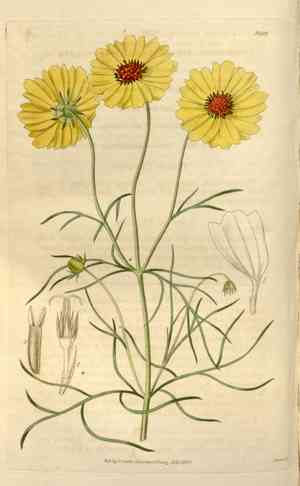
Originating from dry environments, rigid Greenthread is a robust perennial distinguished by its narrow foliage and bright yellow blossoms. Trim to preserve its form and stimulate denser development following its blooming period. Remove deceased or woody stalks in early spring; routinely deadhead throughout summer to extend its flowering. Minimal autumn trimming fosters vigorous spring growth. Advantages encompass enhanced air circulation and protection against ailments. Precise timing is essential to prevent harm during the plant's active development stage.
What Are the Benefits of Pruning Stiff Greenthread?
What Are the Benefits of Pruning Stiff Greenthread?
Trimming stiff Greenthread promotes a robust structure, fostering vigorous development. It helps maintain its desired form and size, ensuring stiff Greenthread remains visually appealing and well-managed in garden settings.
What Is the Best Time for Pruning Stiff Greenthread?
What Is the Best Time for Pruning Stiff Greenthread?
Pruning stiff Greenthread in Spring is advantageous for removing any dead or damaged foliage from winter, allowing for new growth in the upcoming season. Early Summer trimming can encourage a second bloom in plants that flower multiple times per season. Late Fall is also a suitable period, after the blooming phase, to shape the plant and remove any spent flowers or seed heads. Pruning during these seasons aligns with stiff Greenthread's growth cycle and helps maintain plant health, vigor, and aesthetics without disrupting its natural flowering rhythm.
What Tools Do I Need to Prune Stiff Greenthread?
Hand Pruners
These are crucial for making clean cuts on stiff Greenthread's stems. Bypass pruners are recommended as they create a precise cut without crushing the plant's tissues, which could impede the healing process and potentially lead to disease.
Pruning Shears
Also known as clippers, they are suitable for deadheading or shaping stiff Greenthread, ensuring the plant maintains a desirable form and promotes more blooms.
Gardening Gloves
Wearing gloves protects the gardener's hands from thorns and rough plant material while pruning stiff Greenthread.
Disinfectant
This is used to clean the pruning tools before and after use to prevent the spread of pathogens to and from stiff Greenthread. A simple solution of bleach or alcohol can serve this purpose.
How to Prune Stiff Greenthread
Clean Tools
Before pruning stiff Greenthread, sterilize the pruning shears or scissors with isopropyl alcohol to prevent the spread of diseases.
Identify
Locate the withered leaves on stiff Greenthread that have turned brown, yellow, or appear dried out and distinguish them from healthy foliage.
Cut Withered Leaves
Using the sterilized pruning tools, carefully trim off the withered leaves at the base of the stem without damaging adjacent healthy leaves or stems.
Dispose
Gently remove the trimmed withered leaves from the proximity of stiff Greenthread and dispose of them properly to reduce the risk of disease or pest infestation.
Inspect
After pruning, inspect stiff Greenthread for any signs of pests or diseases that may require further action, and monitor the plant's response to pruning over the following weeks.
Common Pruning Mistakes with Stiff Greenthread
Overpruning
Removing too much foliage can stress stiff Greenthread, leading to reduced vigor and fewer blooms.
Improper Cut Location
Cutting too far from a node or too close to the main stems can cause damage or invite disease.
Using Dull Tools
Dull pruning tools can create jagged cuts that are more susceptible to disease and pest infestations.
Disregarding Plant Shape
Failing to consider the natural shape of stiff Greenthread when pruning can result in a less aesthetically pleasing appearance.
Pruning In Damp Conditions
Pruning stiff Greenthread when it is damp can spread diseases like fungal infections.
Common Pruning Tips for Stiff Greenthread
Sharp Tools
Use sharp, clean pruning shears to make precise cuts that will heal quickly and minimize the risk of disease.
Post Bloom Pruning
Cutting back stiff Greenthread after its blooming period can encourage a second flush of flowers and maintain plant shape.
Selective Thinning
Thin out older, weaker growth to improve air circulation and light penetration, which benefits the plant's overall health.
Consider Plant Health
Assess the health of stiff Greenthread before pruning. Remove any dead, diseased, or damaged growth as needed.
Appropriate Cut Angle
Make cuts at a 45-degree angle just above a node where leaf buds are present to promote healthy new growth.



