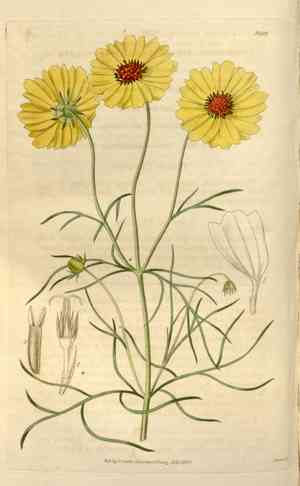
Stiff Greenthread (Thelesperma filifolium)
Also known as: Navajo Tea, Green Thread, Cota, Indian Tea
The perennial wildflower you're describing is likely Stiff Greenthread (Thelesperma filifolium). This plant features yellow, daisy-like flowers that bloom from spring through summer on slender, leafless stems. It's commonly used to make tea and attracts bees, butterflies, and birds. It thrives in full sun and prefers dry, sandy, or rocky soils.
In This Article
Attributes of Stiff Greenthread
Lifespan
Annual, Perennial
Plant Type
Herb
Plant Height
30 cm to 61 cm
Spread
30 cm to 60 cm
Leaf Color
Green
Flower Size
2.5 cm to 5 cm
Flower Color
Yellow
Images of Stiff Greenthread
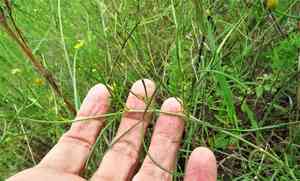
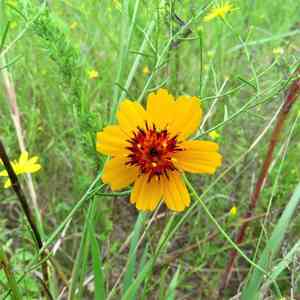
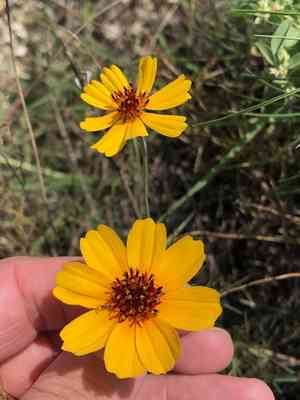
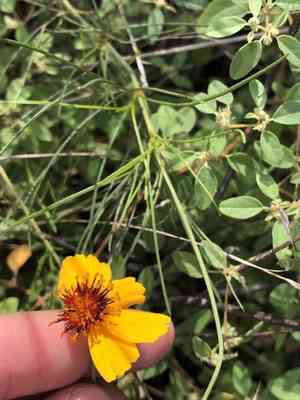
Quickly Identify Stiff Greenthread
1
Thelesperma filifolium can be identified by its slender, thread-like leaves and bright yellow flowers. The flowers have a central disc that\'s darker than the petals. The plant tends to grow in clumps and its stems are slender and branching.
Scientific Classification of Stiff Greenthread
Phylum
Vascular plants
Class
Dicotyledons
Order
Asterales
Family
Daisy
Genus
Thelesperma
Species
Stiff Greenthread
Planting and Growing of Stiff Greenthread
Care Difficulty
Easy
Watering Schedule
Every 2 days
Sunlight Requirements
Full sun
Sunshine Duration
6-10 hours
Ideal Temperature
68-77℉
Soil Type
Potting Mix, Peat Mix
Soil pH
6.5-7.5
Fertilizer Type
Balanced
Pruning Season
Spring, Summer
Pruning Area
Branches, Leaves
Pruning Frequency
2 times a year
Repotting Season
Spring
Pot Type
Plastic, Terracotta
 How to Water Stiff Greenthread?
Thelesperma filifolium thrives with a moderate watering regimen. Each watering session should involve approximately 150 milliliters of water. It's crucial to let the topsoil dry out between waterings. Aim to water until you see moisture seeping out of the drainage holes of the pot, indicating thorough saturation without waterlogging the soil.
What are the symptoms of an underwatered Stiff Greenthread?
›
What should I do if my Stiff Greenthread is not getting enough water?
›
What are the symptoms of an overwatered Stiff Greenthread?
›
How to save an overwatered Stiff Greenthread?
›
 What Are the Sunlight Requirements for Stiff Greenthread?
Full sun is ideal, ensuring 6-8 hours of direct light. This range supports vibrant growth and flowering, maximizing the plant's vitality and aesthetic appeal.
More About Sunlight Requirements Techniques→
What is the ideal lighting setup for Thelesperma filifolium?
›
How can I adjust my garden layout to achieve these conditions?
›
What are the benefits of proper lighting for this plant?
›
 What Is the Ideal Temperature Range for Stiff Greenthread?
Thelesperma filifolium thrives best in a moderate temperature range. An ideal temperature range between 68°F to 77°F facilitates robust growth and helps the plant reach its full potential in terms of flowering and foliage. Maintaining consistent temperatures within this range minimizes stress and supports nutrient uptake.
 What Soil is Best for Stiff Greenthread?
Thelesperma filifolium thrives in well-draining soil which ensures that the roots do not stay waterlogged. This prevents root rot and promotes healthy root system development, crucial for nutrient uptake. Although resilient, this plant benefits from soil rich in organic matter. Nutrient-rich soil supports robust growth and vibrant blooms, making the plant more visually appealing and healthier overall. While drought-tolerant, this plant does well with moderate moisture levels in the soil. Efficient moisture management ensures sustained plant health, even in prolonged dry spells.
 How to Fertilize Stiff Greenthread?
For Thelesperma filifolium, it is important to use a balanced liquid fertilizer at half-strength. Use approximately 1 tablespoon of liquid fertilizer diluted in 1 gallon of water per application. This ensures that the plant receives essential nutrients without overfeeding.
 How to Prune Stiff Greenthread?
Ensure that all pruning tools are well-maintained and sanitized. Diseases can easily spread through unclean tools, so it’s crucial to sterilize them before and after each pruning session. While pruning, be gentle with the stems and foliage. Thelesperma filifolium’s delicate branches require careful handling to avoid unnecessary damage. Make cuts at a slight angle to promote moisture runoff and reduce the risk of rot. Avoid pruning during extremely wet conditions to prevent the introduction of pathogens. Prune during dry weather to minimize stress on the plant and reduce the likelihood of fungal diseases.
More About Pruning Techniques→
 How to Propagate Stiff Greenthread plant?
1
Collect seeds from matured Thelesperma filifolium flowers. Ensure seeds are fully dry before storing them in a cool, dry place until planting.
2
Fill the seedling tray with potting mix and evenly distribute seeds on the surface. Cover lightly with soil and water gently to avoid displacing the seeds.
3
Place the tray in a well-lit area with indirect sunlight. Maintain a consistent temperature between 65-75°F (18-24°C) to encourage germination, which typically occurs in 2-3 weeks.
 How to Repot Stiff Greenthread plant?
1
Thelesperma filifolium shows signs of needing repotting when roots emerge from drainage holes or the plant exhibits stunted growth. Spring and early summer are ideal as the plant is actively growing, which aids recovery from transplanting stress.
2
Select a pot that is only slightly larger than the current one, with ample drainage holes. This prevents waterlogging, promotes healthy root growth, and helps replica native growing conditions. A ceramic or clay pot enhances moisture control.
3
Choose a well-draining cactus mix. It should mimic the plant's natural arid environment, ensuring roots don't stay waterlogged. Adding perlite or coarse sand can improve drainage, providing strong support for healthy growth.
Learn More About Stiff Greenthread Diseases
Anthracnose
Bacterial Leaf Spot
Bacterial Soft Rot
Bacterial Wilt
Black Spot
Chemical Injury
Crown Gall
Cyst Nematode
Damping-off
Downy Mildew
Drought Stress
Fusarium Wilt
Gray Mold
Leaf Curl
Leaf Spot
Mosaic
Nutrient Deficiency
Nutrient Toxicity
Powdery Mildew
Root Rot
Root-knot Nematode
Rusts
Sooty Mold
Spider Mites
Temperature Stress
Thrips Damage
White Mold



