How to Prune Hairyjoint meadowparsnip?
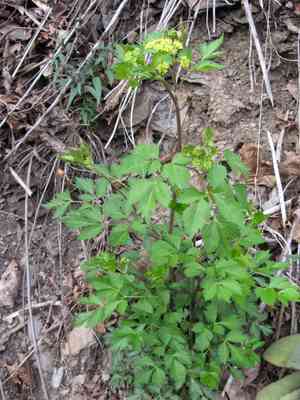
The Hairyjoint meadowparsnip, recognized by its pubescent stalks and composite foliage, thrives with trimming performed in the spring and early summer. Concentrate on excising deceased or injured stems to improve air movement and foster more robust development. Cut just above the leaf junctions to stimulate denser foliage. It is crucial to avoid late summer pruning, as this could disrupt the plant's blooming period. Consistent trimming aids in controlling the plant's dimensions and averts excessive density, thereby guaranteeing superior garden appearance and plant well-being.
Advantages of Trimming Hairyjoint Meadowparsnip
Advantages of Trimming Hairyjoint Meadowparsnip
Trimming hairyjoint meadowparsnip encourages robust development and helps maintain its form. This ensures healthy, controlled growth, promotes denser foliage, and lowers the chance of pests and diseases. Regular trimming allows gardeners to manage plant size and enhance its overall look.
Optimal Time for Trimming Hairyjoint Meadowparsnip
Optimal Time for Trimming Hairyjoint Meadowparsnip
Trimming hairyjoint meadowparsnip in Spring and Summer is best as it aligns with the plant's active growth phase. During these seasons, hairyjoint meadowparsnip is growing vigorously, which helps it recover quickly from any cutting or shaping. Spring trimming promotes healthy growth by removing any dead or damaged parts from winter, while Summer trimming helps shape the plant and control its size after the initial growth spurt. Also, trimming during these periods avoids disrupting hairyjoint meadowparsnip's flowering and fruiting cycles, ensuring it can continue to thrive and reproduce effectively throughout the year.
Tools Required for Trimming Hairyjoint Meadowparsnip
Hand Pruners
Hand pruners are perfect for making clean cuts on small stems and branches, which is crucial for the delicate structure of hairyjoint meadowparsnip.
Bypass Pruners
Bypass pruners are recommended for their precise cutting, ideal for hairyjoint meadowparsnip as they help prevent tissue damage that could lead to infections.
Lopping Shears
Lopping shears are useful for cutting thicker stems and branches, enabling gardeners to manage larger growths without harming the plant.
Pruning Shears
Pruning shears are essential for accurate, clean cuts on smaller and medium stems, ensuring the health of hairyjoint meadowparsnip.
Gloves
Wearing gardening gloves is important to protect your hands when working closely with hairyjoint meadowparsnip, especially when handling its foliage and stems.
How to Trim Hairyjoint Meadowparsnip
Inspect
Examine hairyjoint meadowparsnip for any signs of diseased leaves, withered leaves, and diseased stems to identify areas needing trimming.
Clean Tools
Sanitize your pruning shears or scissors with a solution of one part bleach to nine parts water to prevent the spread of disease.
Removal Diseased Leaves
Carefully cut away any diseased leaves using sharp, sanitized shears, making cuts close to the base without damaging healthy tissue.
Remove Withered Leaves
Trim any withered leaves, ensuring you cut them at their base or closest healthy joint, to encourage new growth and maintain plant health.
Diseased Stems
Prune diseased stems by cutting back to healthy tissue, ensuring the cut is made at an angle to improve water runoff and reduce the risk of further infection.
Common Trimming Errors with Hairyjoint Meadowparsnip
Improper technique
A major error is using dull or dirty trimming tools, which can cause jagged cuts, leading to increased vulnerability to disease or pest infestations.
Wrong pruning angles
Cutting branches at incorrect angles (straight across rather than at an angle) can hinder proper healing and water runoff, increasing the risk of rot.
Over-pruning
Removing too much foliage at once can stress the plant, weakening its overall health and vitality.
Pruning at the wrong growth stage
Trimming when hairyjoint meadowparsnip is actively growing instead of during its dormant period can lead to reduced flowering and stunted growth.
Ignoring hygiene
Failing to sterilize pruners between cuts or plants can spread diseases and pests.
General Trimming Advice for Hairyjoint Meadowparsnip
Use sharp, clean tools
Ensure pruners are sharp and clean before starting to provide clean cuts and minimize the risk of infection. Sterilize with rubbing alcohol between each cut.
Appropriate cuts
Make cuts at a 45-degree angle to facilitate better water runoff and quicker healing, thereby reducing the risk of disease.
Minimal pruning
Prune conservatively, removing only what is necessary. This typically involves dead, diseased, or damaged branches, and any branches that cross or rub against each other.
Remove suckers and water sprouts
Periodically remove unwanted suckers and water sprouts to maintain the plant’s shape and direct energy to the main growth areas.
Target specific areas
Focus pruning efforts on areas where branches are too dense, to allow better air circulation and light penetration. This can help reduce the risk of fungal diseases and improve overall plant health.



