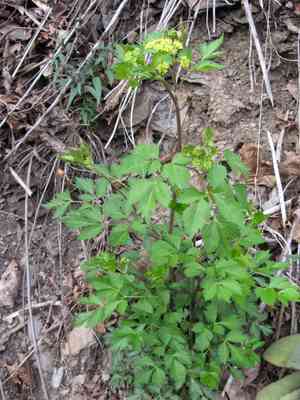
Hairyjoint meadowparsnip (Thaspium barbinode)
Also known as: Hairy-jointed meadow-parsnip
Hairyjoint meadowparsnip, a North American native plant related to carrots and parsnips, has parsley-like leaves that are not safe for human consumption. However, it serves as an essential food source for Black Swallowtail butterfly larvae.
In This Article
Attributes of Hairyjoint meadowparsnip
Lifespan
Perennial
Plant Type
Herb
Plant Height
51 cm to 1.02 m
Spread
0.3 to 0.6 meter (1 to 2 feet)
Leaf Color
Green
Flower Size
2 to 4 millimeters
Flower Color
Yellow
Images of Hairyjoint meadowparsnip
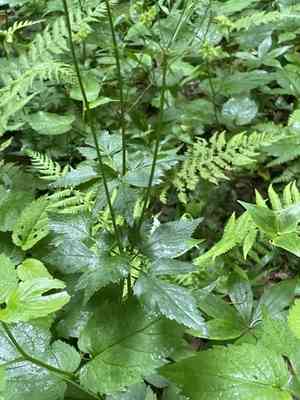
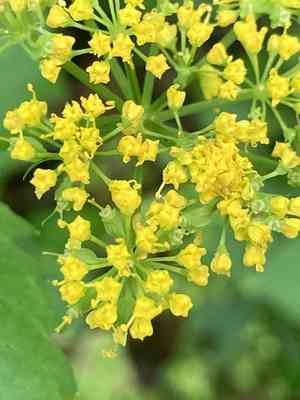
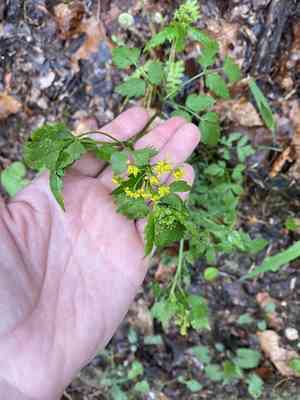
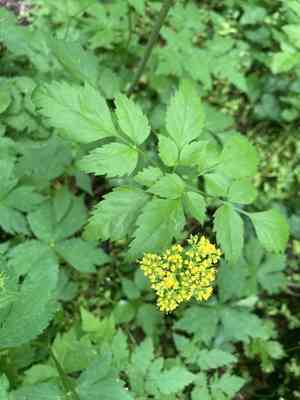
Quickly Identify Hairyjoint meadowparsnip
1
Stiff hairs at stem branch points
2
Robust growth with clusters of light yellow flowers
3
Flat-topped umbels with small yellow petals
4
Oblong dark brown seeds with limited dispersal
5
Large compound leaves with toothed edges and hairy surfaces
Scientific Classification of Hairyjoint meadowparsnip
Phylum
Vascular plants
Class
Dicotyledons
Order
Apiales
Family
Umbellifers
Genus
Meadowparsnip
Species
Hairyjoint meadowparsnip
Planting and Growing of Hairyjoint meadowparsnip
Care Difficulty
Moderate
Watering Schedule
Every 4 days
Sunlight Requirements
Partial sun
Sunshine Duration
4-8 hours
Ideal Temperature
60-75℉
Soil Type
Potting Mix, Peat Mix
Soil pH
6.5-7.5
Fertilizer Type
Balanced
Pruning Season
Spring, Summer
Pruning Area
Branches, Leaves
Pruning Frequency
2 times a year
Repotting Season
Spring
Pot Type
Plastic, Ceramic
 How to Water Hairyjoint meadowparsnip?
When watering Thaspium barbinode, aim to moisten the soil thoroughly but ensure it's well-drained. This plant thrives best when the soil is allowed to dry out slightly between waterings. The goal is to mimic its natural environment where brief wet periods are followed by longer dry spells.
What are the symptoms of an underwatered Hairyjoint meadowparsnip?
›
What should I do if my Hairyjoint meadowparsnip is not getting enough water?
›
What are the symptoms of an overwatered Hairyjoint meadowparsnip?
›
How to save an overwatered Hairyjoint meadowparsnip?
›
 What Are the Sunlight Requirements for Hairyjoint meadowparsnip?
Partial sun or dappled light, allowing it to photosynthesize effectively without stress from full direct exposure. This setup leads to healthier foliage and optimal growth.
What is the best location for lighting?
›
How to ensure consistent lighting conditions?
›
What should be avoided to protect the plant from lighting issues?
›
 What Is the Ideal Temperature Range for Hairyjoint meadowparsnip?
The ideal temperature range for Thaspium barbinode is between 60°F and 75°F. This range provides optimal conditions for growth and ensures the plant receives the right amount of warmth to maintain healthy development. Temperatures within this range support metabolic processes vital for the plant’s survival and blooming.
 What Soil is Best for Hairyjoint meadowparsnip?
Thaspium barbinode thrives in well-drained soils which prevent waterlogging and root rot. Adequate drainage allows roots to access oxygen efficiently, promoting healthy growth and robust flowering. This plant prefers soils with moderate fertility, providing enough nutrients for growth without overwhelming the plant. Balanced nutrient levels lead to vibrant leaves and improved resilience against pests. While it prefers well-drained soils, Thaspium barbinode also benefits from some moisture retention to sustain it during dry spells. This balance ensures consistent growth and flowering throughout the growing seasons.
 How to Fertilize Hairyjoint meadowparsnip?
For Thaspium barbinode, apply a balanced liquid fertilizer diluted to half strength. Use approximately 1 teaspoon per gallon of water. For slow-release fertilizers, spread 1-2 tablespoons around the plant base, ensuring even coverage to support steady growth.
 How to Prune Hairyjoint meadowparsnip?
Prune Thaspium barbinode primarily in the Spring and Summer to coincide with its active growing season. This timing allows the plant to quickly recover and stimulates healthier growth, especially after older, non-productive stems are removed. Start by identifying older stems with less foliage and use precise cuts to remove them close to the base without leaving stubs. Regular pruning every two months will redirect the plant's energy to developing new shoots and fuller foliage.
More About Pruning Techniques→
 How to Propagate Hairyjoint meadowparsnip plant?
1
Harvest seeds from mature Thaspium barbinode plants. Ensure seeds are dry and free of mold. Store them in a cool, dry place until you're ready to plant them.
2
In early spring, sow seeds in a well-draining seed tray filled with a mix of peat and sand. Cover lightly with soil and keep it moist until germination occurs.
3
In spring, carefully dig up mature plants and divide them using a spade. Ensure each section has sufficient roots attached, and replant them immediately to reduce stress.
 How to Repot Hairyjoint meadowparsnip plant?
1
Thaspium barbinode shows signs of needing repotting when its roots start to circle the pot's interior or emerge from drainage holes. Additionally, if growth appears stunted or soil drains too quickly, it's time for a new pot.
2
Select a pot that is one size larger than the current one, ensuring it has ample drainage holes. A slightly larger pot allows room for root expansion and reduces the risk of waterlogging, promoting a healthy root system.
3
Opt for a well-draining potting mix composed of loam, sand, and organic matter. This combination ensures proper aeration and moisture retention, fostering optimal root health and preventing root rot.
Learn More About Hairyjoint meadowparsnip Diseases
Anthracnose
Bacterial Leaf Spot
Bacterial Soft Rot
Bacterial Wilt
Chemical Injury
Crown Gall
Cyst Nematode
Damping-off
Downy Mildew
Drought Stress
Fusarium Wilt
Gray Mold
Leaf Spot
Mosaic
Nutrient Deficiency
Nutrient Toxicity
Powdery Mildew
Root Rot
Root-knot Nematode
Rusts
Sooty Mold
Spider Mites
Temperature Stress
Thrips Damage
White Mold



