How to Prune Oriental germander?
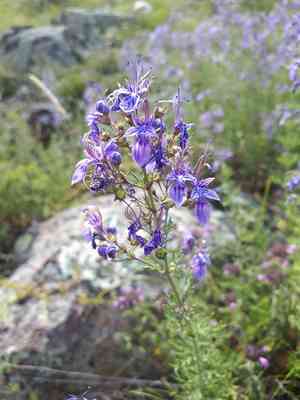
This enduring woody plant flourishes with regular upkeep to preserve its structure and vitality. Trim oriental germander during the initial spring period or the latter part of winter, reducing its size by as much as one-third to stimulate thicker leaves and more abundant blooms. Eliminate any lifeless or compromised branches to enhance air circulation and lower the chance of illness. Consistent trimming fosters a compact shape, boosting its decorative value and general well-being. Always employ sanitized, keen implements for accurate incisions.
What Are the Benefits of Pruning Oriental Germander?
What Are the Benefits of Pruning Oriental Germander?
Pruning oriental germander encourages robust development and helps maintain an appealing form. It eliminates dead or diseased wood, improving air circulation and lowering pest and disease risks, while stimulating abundant blooms and managing the plant's size for a tidy appearance.
What Is the Best Time for Pruning Oriental Germander?
What Is the Best Time for Pruning Oriental Germander?
Trimming oriental germander in late winter to early spring is optimal as it precedes the plant's active growth period. During this time, oriental germander is typically dormant or just beginning to emerge from dormancy, which minimizes plant stress and fosters healthy regrowth. Pruning at these times also aids in shaping the plant and promoting more prolific flowering during its bloom season. By removing any dead or damaged branches before growth accelerates, gardeners can ensure better air circulation and overall plant vitality.
What Tools Do I Need to Prune Oriental Germander?
Hand Pruners/Secateurs
Perfect for making precise cuts on smaller stems and branches. Oriental germander typically has relatively slender and woody stems that these pruners can effectively manage.
Pruning Shears
Useful for shaping and cutting back larger sections of oriental germander without harming the plant. Helps maintain the desired shape and encourages denser growth.
Loppers
Recommended for cutting thicker branches that hand pruners cannot handle. They offer leverage for more substantial cuts while being easy to control.
Bypass Pruners
Designed to create clean, accurate cuts which facilitate quicker healing and reduce disease risk. Ideal for routine maintenance throughout the growing season.
Pruning Saw
Essential for removing any larger, woody branches that loppers cannot manage. Ensures a clean cut without tearing the plant tissue.
How to Prune Oriental Germander
Assessment
Carefully examine oriental germander for any diseased or withered leaves, paying close attention to the plant's overall health.
Preparation
Gather necessary tools such as sterilized pruning shears to prevent disease spread. Ensure tools are sharp for clean cuts.
Removal Diseased Leaves
Using the sterilized pruning shears, carefully snip off any leaves showing signs of disease, making sure to trim back to the nearest healthy part of the plant.
Removal Withered Leaves
Similarly, remove withered leaves by cutting them back to where healthy growth begins, ensuring you don't harm nearby healthy foliage.
Disposal
Properly dispose of all removed leaves, ideally by burning or discarding them away from the garden to prevent any potential disease spread.
Common Pruning Mistakes with Oriental Germander
Over-pruning
Removing too many branches at once can weaken oriental germander, making it vulnerable to diseases and diminishing its flowering potential.
Pruning at wrong angle
Cutting branches at incorrect angles can lead to poor healing, creating entry points for pests and diseases.
Incorrect tool usage
Using dirty or dull pruning tools can result in ragged cuts, increasing the risk of infection.
Ignoring plant health
Failing to inspect oriental germander for signs of disease or pest infestation before pruning can worsen existing problems.
Common Pruning Tips for Oriental Germander
Use clean, sharp tools
Ensure your pruning shears are sharp and disinfected to make clean cuts and prevent disease transmission.
Prune for shape and airflow
Trim branches to maintain an open structure that promotes good air circulation, reducing the risk of fungal infections.
Remove dead or damaged wood
Promptly cut away any dead, diseased, or damaged branches to maintain the plant's vitality.
Cut above nodes
Always make cuts just above a growth node or bud to encourage new growth in the correct direction.



