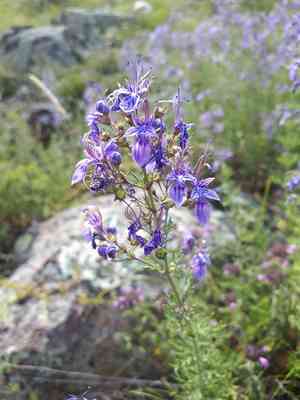
Oriental germander (Teucrium orientale)
Also known as: Oriental Germander, Eastern Germander
Lavender (Lavandula spp.) is an excellent choice for a rock garden ground cover, appreciated for its lush purple flower spikes. This hardy plant thrives in dry to moderately moist, well-drained soils, requiring minimal upkeep. Its long-lasting blooms not only beautify your garden but also attract bees, making it a fantastic addition to any low-maintenance landscape.
In This Article
Attributes of Oriental germander
Lifespan
Perennial
Plant Type
Herb
Plant Height
30-70 cm (12-28 inches)
Spread
30-60 cm (12-24 inches)
Leaf Color
Green to grayish-green
Flower Size
1-2 cm (0.4-0.8 inches)
Flower Color
Pink, Lavender
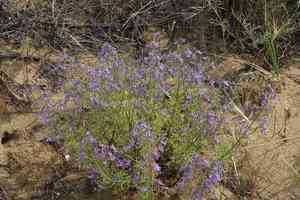
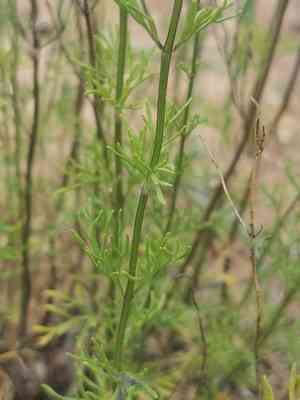
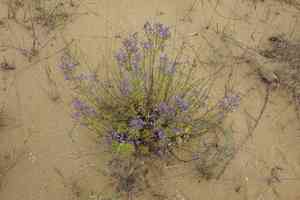
Images of Oriental germander
Quickly Identify Oriental germander
1
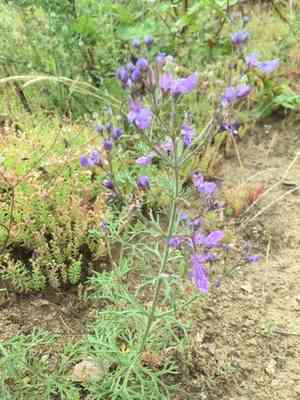
To identify Teucrium orientale, look for its squared stems which is common in the mint family, aromatic leaves, and clusters of small, tubular flowers that bloom typically in shades of pink or lavender.
Scientific Classification of Oriental germander
Phylum
Vascular plants
Class
Dicotyledons
Order
Lamiales
Family
Mint
Genus
Germanders
Species
Oriental germander
Planting and Growing of Oriental germander
Care Difficulty
Easy
Watering Schedule
Every 2 days
Sunlight Requirements
Full sun
Sunshine Duration
6-8 hours
Ideal Temperature
65-75℉
Soil Type
Potting Mix, Peat Mix
Soil pH
6.5-7.5
Fertilizer Type
Balanced
Pruning Season
Spring, Summer
Pruning Area
Branches, Leaves
Pruning Frequency
2 times a year
Repotting Season
Spring
Pot Type
Plastic, Ceramic
 How to Water Oriental germander?
For Teucrium orientale, the rule of thumb is to allow the soil to dry out slightly between waterings. When watering, ensure the soil is moistened deeply, suggesting around 250 milliliters per session, which promotes healthy root development while avoiding waterlogging.
What are the symptoms of an underwatered Oriental germander?
›
What should I do if my Oriental germander is not getting enough water?
›
What are the symptoms of an overwatered Oriental germander?
›
How to save an overwatered Oriental germander?
›
 What Are the Sunlight Requirements for Oriental germander?
Teucrium orientale benefits from a range of light exposure that includes full sun to partial sun. Ideal lighting prevents leggy growth and ensures the plant maintains a compact, bushy form with maximum floral output.
Optimal Sun Exposure
›
Achieving Ideal Conditions
›
Benefits of Ideal Sun Conditions
›
 What Is the Ideal Temperature Range for Oriental germander?
The ideal temperature range for growing Teucrium orientale is between 65°F and 75°F. This range allows the plant to optimize its growth and maintain proper metabolic functions. At these temperatures, photosynthesis occurs efficiently, and the plant can gracefully manage its cellular activities, leading to robust health and vibrant foliage. Consistent temperatures within this range also help prevent stress conditions that can lead to pest and disease vulnerabilities.
 What Soil is Best for Oriental germander?
Teucrium orientale thrives in well-drained soil, which prevents waterlogging and ensures that the roots get enough oxygen. This drainage capability is crucial to prevent root rot and promote healthy root development for better nutrient absorption. Rich in organic matter, the soil should provide essential nutrients that contribute to the lush growth and blooming of Teucrium orientale. The presence of compost or well-rotted manure can greatly enhance the nutrient availability, fostering robust plant health. Although Teucrium orientale is not overly demanding, moderately fertile soil helps support its growth needs, ensuring a balance between nutrients and plant vitality. This balance helps the plant to flourish without excessive fertilization.
 How to Fertilize Oriental germander?
For Teucrium orientale, it is essential to use a balanced fertilizer at half the recommended strength. When using liquid fertilizer, dilute it to 50% of the regular amount. For slow-release granules, apply approximately 10 grams per square foot annually. This ensures the plant receives sufficient nutrients without risking overfertilization.
 How to Prune Oriental germander?
Begin by closely inspecting your Teucrium orientale for dead, diseased, or damaged stems. Use sanitized pruning shears to ensure you prevent potential infections. Make sure your tools are sharp to provide clean cuts that will heal properly. Focus on cutting back any overly long or leggy growth to about a third of their length. This not only keeps the plant compact but also stimulates new budding, leading to a more densely foliated appearance. Consider the plant’s natural shape and prune accordingly to maintain or enhance its visual appeal. Remove stray stems that disrupt its symmetry and thin out the interior branches to allow better light penetration and air circulation.
More About Pruning Techniques→
 How to Propagate Oriental germander plant?
1
Begin by filling seedling trays with a quality seed-starting mix. Sow seeds lightly on the surface and cover with a fine layer of soil. Keep the medium consistently moist and place trays under indirect sunlight until germination.
2
Select healthy, non-flowering stems from the parent plant. Use sharp pruning shears to take 4-6 inch cuttings, remove lower leaves and immerse the cut end in rooting hormone before planting in a perlite-peat mix for root development.
3
Carefully dig around the plant and lift it from the soil. Tease apart the roots, ensuring each division has a healthy set of roots and shoots. Replant the divisions at the same depth in well-prepared soil, and water thoroughly.
 How to Repot Oriental germander plant?
1
Teucrium orientale shows signs it’s ready for repotting when roots are visible through the drainage holes, growth appears stunted, or the soil dries out remarkably fast. These are clear indicators that the plant has outgrown its current home and requires more space to thrive.
2
Select a pot that's only slightly larger than the current one, with adequate drainage holes. A pot significantly larger than necessary can lead to excessive soil moisture, which is detrimental. Ensuring proper size and drainage aids in maintaining root health and promoting robust plant growth.
3
Opt for a well-drained potting mix composed of perlite, peat, and gritty sand. This mix provides excellent aeration and drainage, preventing root rot and allowing the plant to establish itself in the new environment efficiently.
Learn More About Oriental germander Diseases
Anthracnose
Bacterial Leaf Spot
Bacterial Soft Rot
Bacterial Wilt
Black Spot
Chemical Injury
Crown Gall
Cyst Nematode
Damping-off
Downy Mildew
Drought Stress
Fusarium Wilt
Gray Mold
Leaf Curl
Leaf Spot
Mosaic
Nutrient Deficiency
Nutrient Toxicity
Powdery Mildew
Root Rot
Root-knot Nematode
Rusts
Sooty Mold
Spider Mites
Temperature Stress
Thrips Damage
White Mold



