How to Prune Louisiana nerveray?
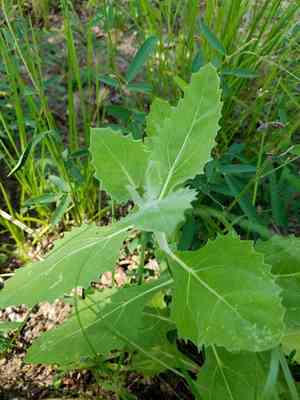
Distinguished by its vivid yellow blossoms, louisiana nerveray flourishes with infrequent trimming. The most suitable periods for pruning are late winter and early spring, prior to the emergence of new shoots. Concentrate on excising deceased or compromised stalks and reducing dense sections to enhance air circulation and light exposure. This fosters more robust development and richer floral displays. Periodically inspect for and eliminate any ailing portions to avert dissemination. Trimming louisiana nerveray not only preserves its form but also boosts its general vigor and bloom production.
What Are the Benefits of Pruning Louisiana Nerveray?
What Are the Benefits of Pruning Louisiana Nerveray?
Trimming louisiana nerveray encourages robust development and helps maintain its form. By carefully cutting, gardeners can improve air circulation and light penetration, lowering the chance of pests and diseases, ensuring healthier leaves, and promoting more vigorous future blossoms.
What Is the Best Time for Pruning Louisiana Nerveray?
What Is the Best Time for Pruning Louisiana Nerveray?
Trimming louisiana nerveray in early spring or late winter is ideal because the plant is typically inactive during these periods. Pruning during dormancy minimizes plant stress and reduces disease risk. Additionally, this timing allows louisiana nerveray to focus energy on healthy new growth in spring. Pruning before the growing season ensures rapid healing of cuts and a full season for the plant to recover and flourish.
What Tools Do I Need to Prune Louisiana Nerveray?
Hand Pruners
Perfect for accurate cuts on delicate stems and minor trimming. Hand pruners enable precision and neatness when shaping louisiana nerveray or removing damaged foliage.
Bypass Pruners
Excellent for making clean cuts on living stems. Bypass pruners can easily manage the thicker stems of louisiana nerveray without crushing them, fostering healthy regrowth.
Pruning Shears
Useful for more detailed trimming tasks. Pruning shears help achieve a neat shape by carefully cutting back extensive or leggy growth on louisiana nerveray.
Lopping Shears
Suitable for cutting thicker branches or larger stems with ease. Lopping shears provide the leverage needed to handle any heavy or older growth on louisiana nerveray that might be out of reach for hand pruners.
Sharp Knife
Handy for making precise, clean cuts on smaller stems or for intricate work. A sharp knife can be used to carefully remove specific parts of louisiana nerveray without causing unnecessary harm.
How to Prune Louisiana Nerveray
Assessment
Examine louisiana nerveray thoroughly to find any diseased or withered leaves that require removal.
Tool Preparation
Clean and sanitize garden shears or scissors to prevent the spread of pathogens.
Remove Diseased Leaves
Carefully cut away diseased leaves at their base, ensuring you do not harm nearby healthy tissue.
Remove Withered Leaves
Trim away any withered leaves by cutting them at their base or where they connect to the main stem.
Disposal
Dispose of all removed plant material safely to prevent the spread of disease to other plants.
Common Pruning Mistakes with Louisiana Nerveray
Improper technique
Using dull or dirty tools can harm the plant, causing tears instead of clean cuts, which can lead to infections or diseases.
Timing errors
Pruning at the wrong time can stress the plant, potentially reducing flowering or causing dieback. Although seasonality is important, some gardeners may prune during active growth periods unintentionally.
Over-pruning
Removing too much foliage can weaken louisiana nerveray, as it reduces the plant’s ability to perform photosynthesis, leading to reduced vigor and potential die-off.
Lack of clear objectives
Pruning without a clear goal, such as shaping, encouraging blooms, or removing dead wood, can result in haphazard cuts that may harm the plant’s structure and health.
Common Pruning Tips for Louisiana Nerveray
Use sharp and clean tools
Always use sharp pruners or shears that are sterilized to make clean cuts and prevent the spread of disease.
Identify the goals
Determine the purpose of pruning before starting. Are you shaping the plant, promoting new growth, or removing dead or diseased parts?
Make precise cuts
When cutting, aim just above a leaf node to encourage branching. Removing dead or damaged wood should be done carefully to avoid cutting into healthy tissue.
Moderation is key
Avoid drastic pruning. Remove no more than one-third of the plant’s growth at any one time to ensure louisiana nerveray retains enough foliage to sustain itself.
Monitor plant response
Keep an eye on louisiana nerveray after pruning to observe how it responds. Adjust future pruning practices based on the plant’s recovery and growth patterns to ensure optimal health and flowering.


