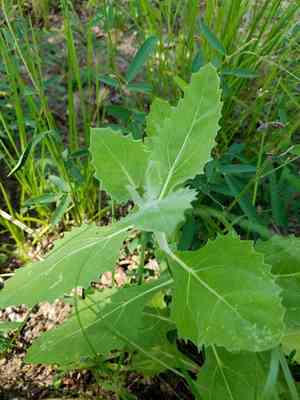
Louisiana nerveray (Tetragonotheca ludoviciana)
Also known as: Louisiana's Sneezeweed, Pineland Widow's Frill
The Louisiana nerveray (Tetragonotheca ludoviciana) is a hardy perennial wildflower indigenous to the southern United States. It features vibrant yellow flowers and unique square stems. This sun-loving plant flourishes in dry, open prairies and sandy soils, supported by a deep taproot that aids in enduring arid environments. Its natural habitat includes prairies, open woodlands, and roadside areas, with a blooming period from late spring to early fall, which attracts a variety of pollinators.
In This Article
Attributes of Louisiana nerveray
Lifespan
Annual
Plant Type
Herb
Plant Height
20-60 cm
Spread
30-60 cm
Leaf Color
Green
Flower Size
2-4 cm
Flower Color
Bright yellow
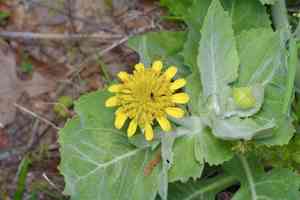
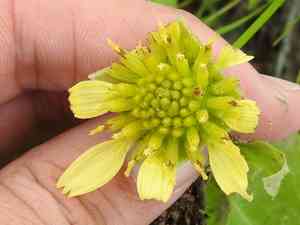
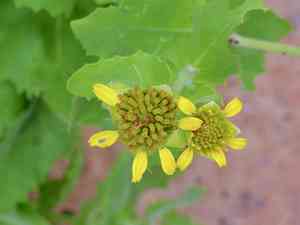
Images of Louisiana nerveray
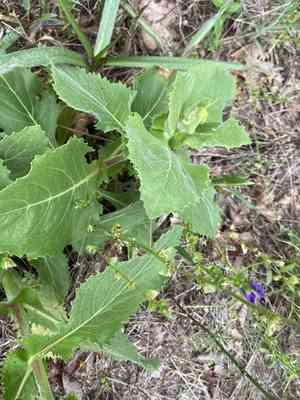
Quickly Identify Louisiana nerveray
1
Identify Tetragonotheca ludoviciana by its bright yellow, daisy-like flowers, lance-shaped leaves that are arranged alternately, and the unique square stems.
Scientific Classification of Louisiana nerveray
Phylum
Vascular plants
Class
Dicotyledons
Order
Asterales
Family
Daisy
Genus
Tetragonotheca
Species
Louisiana nerveray
Planting and Growing of Louisiana nerveray
Care Difficulty
Easy
Watering Schedule
Every 3 days
Sunlight Requirements
Full sun
Sunshine Duration
6-8 hours
Ideal Temperature
65-75℉
Soil Type
Potting Mix, Peat Mix
Soil pH
6.5-7.5
Fertilizer Type
Balanced
Pruning Season
Spring, Summer
Pruning Area
Branches, Leaves
Pruning Frequency
2 times a year
Repotting Season
Spring
Pot Type
Plastic, Ceramic
 How to Water Louisiana nerveray?
When watering Tetragonotheca ludoviciana, aim for about 400 ml of water each session, ensuring the soil is moist but not waterlogged. The plant prefers a well-drained soil, so allow the top couple of inches to dry out between waterings. Overwatering can lead to root rot, so moderation is key.
What are the symptoms of an underwatered Louisiana nerveray?
›
What should I do if my Louisiana nerveray is not getting enough water?
›
What are the symptoms of an overwatered Louisiana nerveray?
›
How to save an overwatered Louisiana nerveray?
›
 What Are the Sunlight Requirements for Louisiana nerveray?
Ideal lighting for Tetragonotheca ludoviciana involves full sun to partial sun environments. Regular exposure leads to optimal health, encouraging robust foliage and frequent, vibrant flowering events.
What is the optimal sunlight exposure for Tetragonotheca ludoviciana?
›
How can I achieve the ideal lighting conditions?
›
What are the benefits of the ideal lighting conditions?
›
 What Is the Ideal Temperature Range for Louisiana nerveray?
The ideal temperature range for Tetragonotheca ludoviciana is between 65°F and 75°F. Within this range, the plant experiences optimal growth due to favorable metabolic and physiological processes. It supports robust photosynthesis, efficient nutrient uptake, and healthy cellular activities, resulting in a thriving plant.
 What Soil is Best for Louisiana nerveray?
This plant thrives in well-draining soil, which prevents root rot by allowing excess water to escape easily. This characteristic is particularly beneficial for Tetragonotheca ludoviciana as it helps maintain optimal health and vigor. A moderately fertile soil supplies essential nutrients, fostering healthy growth and robust flowering. Tetragonotheca ludoviciana benefits from balanced nutrients to develop strong stems and vibrant blooms. The plant tolerates slightly alkaline conditions, making it versatile for gardeners dealing with calcareous soils. This pH range supports optimal nutrient uptake, ensuring steady and healthy growth.
 How to Fertilize Louisiana nerveray?
When fertilizing Tetragonotheca ludoviciana, use a balanced fertilizer diluted to half strength. A typical application involves using approximately 1-2 tablespoons per gallon of water for liquid fertilization. This ensures that the plant receives adequate nutrients without risking over-fertilization.
 How to Prune Louisiana nerveray?
Begin by sterilizing your pruning tools to prevent any disease transmission. Identify the dead or diseased stems and branches and remove them completely. Cut back any crowded or crossing stems to improve airflow. Always make slanting cuts just above a growth node to promote new growth. To shape Tetragonotheca ludoviciana, trim back leggy stems to maintain a compact form. This plant tends to grow outward, so focus on pruning exterior branches more than the center ones. This not only maintains its aesthetic appeal but also ensures sunlight reaches all parts of the plant.
More About Pruning Techniques→
 How to Propagate Louisiana nerveray plant?
1
Collect mature seeds from the plant and remove any surrounding debris. Soaking the seeds overnight in water can enhance germination by softening the seed coat.
2
Select healthy stems and cut them just below a node. Ensure each cutting is at least 4-6 inches long. Remove the lower leaves to encourage root development.
3
Carefully dig up the plant to avoid damaging the roots. Use a sharp tool to divide the root ball into sections. Each section should have roots and stems.
 How to Repot Louisiana nerveray plant?
1
Look for signs such as roots poking through the drainage holes or a noticeable slowing of growth. A crowded root system in Tetragonotheca ludoviciana indicates the need for a new pot, ensuring better nutrient access and growth potential.
2
Opt for a pot that’s slightly larger than the current one with several drainage holes at the bottom. A slightly bigger pot provides room for roots to expand without overwhelming the plant, helping prevent waterlogging which might cause root rot.
3
Select a well-draining, sandy soil mix that mimics Tetragonotheca ludoviciana's natural habitat. This type of soil prevents water accumulation, ensuring aeration around the roots, and reduces the risk of fungal diseases.
Learn More About Louisiana nerveray Diseases
Anthracnose
Bacterial Leaf Spot
Bacterial Wilt
Crown Gall
Cyst Nematode
Damping-off
Downy Mildew
Drought Stress
Fusarium Wilt
Gray Mold
Leaf Spot
Mosaic
Nutrient Deficiency
Nutrient Toxicity
Powdery Mildew
Root Rot
Root-knot Nematode
Rusts
Sooty Mold
Spider Mites
Temperature Stress
Thrips Damage
White Mold


