How to Prune Pineland nerveray?
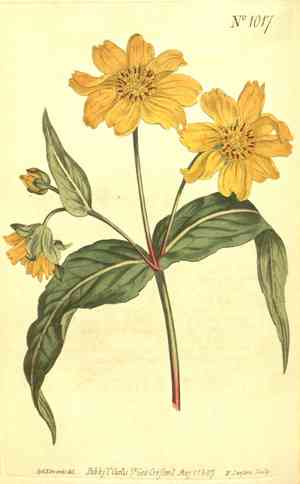
Renowned for its daisy-like blossoms and resilience in pineland environments, pineland nerveray greatly thrives with appropriate trimming. The best periods for pruning are late spring or early summer, after the flowering phase, to stimulate revitalization and preserve an attractive form. Trimming efforts should concentrate on eliminating faded flowers and any lifeless or ailing leaves to foster vigorous development and adequate air movement. Consistent pruning not only improves the plant's look but also averts excessive density and encourages abundant flowering in the subsequent period.
What Are the Advantages of Trimming Pineland Nerveray?
What Are the Advantages of Trimming Pineland Nerveray?
Trimming pineland nerveray promotes robust development and maintains its desired form. Regular cutting aids in revitalizing the plant, ensuring strong health and an appealing appearance.
When Is the Optimal Time for Trimming Pineland Nerveray?
When Is the Optimal Time for Trimming Pineland Nerveray?
For pineland nerveray, the best trimming periods are Spring and Summer. These times align closely with the start and peak of its active growth phase, typically beginning in early spring and continuing through summer. Trimming in spring helps stimulate new growth and enhances the plant's overall health and look. It allows pineland nerveray to recover quickly and use the growing season to boost its strength and flower production. Summer trimming, ideally early to mid-summer, is useful for shaping the plant and managing its size, as well as for removing any dead or diseased stems that could impact its health. Trimming during these seasons ensures pineland nerveray stays vigorous, has a well-kept structure, and produces abundant blooms the following season.
What Tools Are Necessary to Trim Pineland Nerveray?
Hand Pruners
These are perfect for making precise cuts on the thinner, more delicate stems of pineland nerveray. Using bypass pruners can help achieve cleaner cuts without harming the plant tissues.
Pruning Shears
For somewhat thicker stems, pruning shears offer a good balance of precision and strength, suitable for managing the shape of pineland nerveray.
Gloves
To safeguard hands from scratches and sap, which might be irritating or sticky, gloves are advised when trimming pineland nerveray.
How to Trim Pineland Nerveray
Sanitize
Sterilize all trimming tools before beginning to prevent the spread of diseases. Use a solution of 1 part bleach to 9 parts water to disinfect shears and clippers.
Identify
Examine pineland nerveray closely to pinpoint all diseased leaves and stems, and any that have visibly withered. Look for signs of discoloration, spots, or unusual texture.
Cut diseased leaves
Carefully trim all diseased and withered leaves from pineland nerveray. Make clean cuts at the base of each leaf to ensure minimal damage to the healthy parts of the plant.
Cut diseased stems
Remove diseased stems by cutting back to healthy tissue. Ensure cuts are made at a 45-degree angle to promote healing and prevent water accumulation, which can lead to further disease.
Dispose
Properly dispose of all removed material. Do not compost diseased leaves or stems as they can contaminate the compost. Place them in the trash or burn them if local regulations allow.
Common Trimming Errors with Pineland Nerveray
Over-trimming
A frequent error is removing too much foliage from pineland nerveray, which can weaken the plant. Novice gardeners often cut back more than the recommended one-third of the plant's total growth, believing it will encourage more vigorous growth. However, excessive removal stresses pineland nerveray, leading to poor growth and reduced flowering.
Incorrect cuts
Making cuts too close to the main stem of pineland nerveray can damage the primary growth nodes, where new branches and flowers develop. It's crucial to cut just above the leaf node and not into it, as improper cuts can hinder recovery and potentially invite diseases.
Uniform trimming
Applying the same trimming methods without considering the varied needs of different parts of pineland nerveray, such as areas needing rejuvenation or simply shaping, is a common mistake. Each part of the plant may require a different approach based on health, growth, and flowering patterns.
General Trimming Advice for Pineland Nerveray
Selective thinning
To promote healthier growth and maximize flowering in pineland nerveray, focus on selective thinning of crowded areas. This practice involves removing specific branches at their base to increase air circulation and light penetration throughout the plant, which directly influences bud formation and overall vigor.
Shaping cuts
Make shaping cuts to maintain or improve the structure of pineland nerveray, especially if the plant is used for visual aesthetics in landscaping. Aim for cuts just above outward-facing buds to encourage growth in a desirable direction, which helps pineland nerveray develop a fuller, more balanced shape.
Post-flowering trimming
Once pineland nerveray completes its flowering cycle, light trimming can be beneficial. Remove spent flowers and any dead or damaged branches to encourage new growth and subsequent blooms. This type of maintenance trimming not only keeps pineland nerveray looking tidy but also strengthens the plant's overall health.



