
Pineland nerveray (Tetragonotheca helianthoides)
Also known as: Pineland Twinflower
The Desert Marigold (Baileya multiradiata) is a wildflower found in the American Southwest that looks similar to a sunflower with its vibrant yellow blooms. This hardy perennial flourishes in arid, well-drained soils and is well-adapted to dry environments. Its sturdy stems and textured foliage make it a resilient plant, while its bright flowers attract numerous pollinators, contributing significantly to the local ecosystem.
In This Article
Attributes of Pineland nerveray
Lifespan
Perennial
Plant Type
Herb
Plant Height
Approximately 30-90 cm (12-35 in)
Spread
N/A
Leaf Color
Green
Flower Size
About 2.5-5 cm (1-2 in)
Flower Color
Yellow
Images of Pineland nerveray
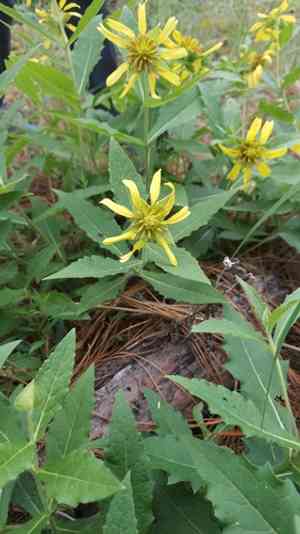
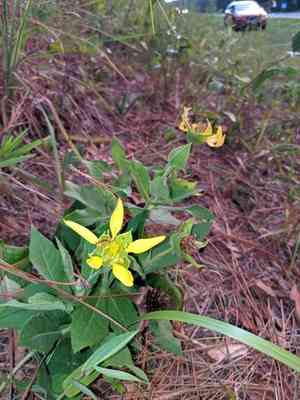
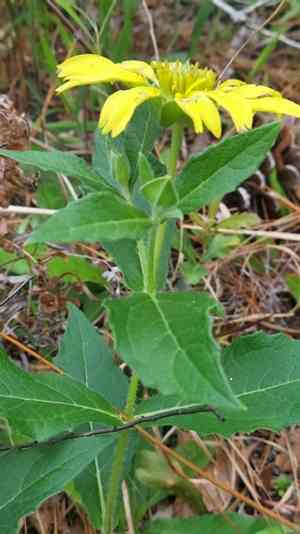

Quickly Identify Pineland nerveray
1
Identifying Tetragonotheca helianthoides involves looking for its characteristic yellow ray florets that resemble those of sunflowers. The plant typically has a square stem and simple, broad leaves.
Scientific Classification of Pineland nerveray
Phylum
Vascular plants
Class
Dicotyledons
Order
Asterales
Family
Daisy
Genus
Tetragonotheca
Species
Pineland nerveray
Planting and Growing of Pineland nerveray
Care Difficulty
Easy
Watering Schedule
Every 2 days
Sunlight Requirements
Full sun
Sunshine Duration
6-12 hours
Ideal Temperature
60-75℉
Soil Type
Potting Mix, Peat Mix
Soil pH
6.5-7.5
Fertilizer Type
Balanced
Pruning Season
Spring, Summer
Pruning Area
Branches, Leaves
Pruning Frequency
2 times a year
Repotting Season
Spring
Pot Type
Plastic, Ceramic
 How to Water Pineland nerveray?
For Tetragonotheca helianthoides, it's essential to water deeply enough to reach the plant's roots without causing waterlogging. Using approximately 250 ml per session ensures that the soil becomes evenly moist yet well-drained, promoting healthy root growth and preventing rot.
What are the symptoms of an underwatered Pineland nerveray?
›
What should I do if my Pineland nerveray is not getting enough water?
›
What are the symptoms of an overwatered Pineland nerveray?
›
How to save an overwatered Pineland nerveray?
›
 What Are the Sunlight Requirements for Pineland nerveray?
Adhering to a full-sunlight range ensures Tetragonotheca helianthoides can maximize its photosynthesis, resulting in strong growth and prolific blooming. Its vivid flowers and lush foliage are visual indicators of its optimal health under such conditions.
Optimal Placement for Sunlight
›
Overcoming Shade Challenges
›
Enhancing Growth with Ideal Light
›
 What Is the Ideal Temperature Range for Pineland nerveray?
For optimal growth of Tetragonotheca helianthoides, maintaining a temperature range between 60°F and 75°F is ideal. This range ensures that the plant's physiological processes, such as photosynthesis and respiration, are maximized. Providing stability in this temperature range helps in the maturation of buds and blooms while minimizing the stress on the plant.
 What Soil is Best for Pineland nerveray?
Tetragonotheca helianthoides thrives in nutrient-rich soils, which provide essential minerals for robust growth. High organic matter content ensures adequate nutrient supply, fostering vibrant blooms and healthy foliage. Well-drained soil is crucial to prevent root rot and ensure plant health. Sandy or loamy soils naturally facilitate drainage, allowing Tetragonotheca helianthoides to flourish without waterlogged roots, thus promoting vigorous growth. This plant benefits from soil that retains moderate moisture, helping maintain an optimal hydration level. Loamy soils balance water retention and drainage, providing ideal conditions for consistent growth and flowering.
 How to Fertilize Pineland nerveray?
When fertilizing Tetragonotheca helianthoides, apply a balanced liquid fertilizer at half the recommended strength. The plant does not require heavy feeding, so overdoing it can harm rather than help. It is essential to keep the soil's natural fertility and supplement it lightly to encourage growth without overwhelming the plant.
 How to Prune Pineland nerveray?
Before you begin pruning Tetragonotheca helianthoides, ensure you have the right tools: sharp pruning shears, gloves, and a disinfectant. Clean your tools to prevent disease transfer. Choose a calm, dry day to avoid spreading pathogens. Examine your Tetragonotheca helianthoides for dead, damaged, or diseased branches. These should be your primary focus for pruning. Removing such branches improves air circulation and directs nutrients toward healthier growth. When pruning, make cuts at a 45-degree angle above a leaf node or bud. This encourages new growth at the cut. Avoid leaving stubs that can rot or become entry points for disease.
More About Pruning Techniques→
 How to Propagate Pineland nerveray plant?
1
Choose mature and viable seeds from a healthy Tetragonotheca helianthoides plant. Ensure the seeds are free from any signs of disease and stored in a dry place before sowing.
2
Mix a well-draining soil mix suitable for seed propagation. A blend of peat moss and perlite is recommended to maintain moisture while allowing proper aeration.
3
Select a healthy section of the plant and use sharp pruners to cut a 4-6 inch stem. Remove the lower leaves and dip the cut end in rooting hormone before planting in a moist medium.
 How to Repot Pineland nerveray plant?
1
You'll know it's time to repot when the Tetragonotheca helianthoides starts showing signs like roots growing out of the drainage holes or the soil drying out too quickly. Observing these signals means the plant needs more room to continue thriving.
2
Selecting an appropriate pot is crucial. Choose one that is 1-2 inches larger in diameter than the current pot. This ensures that the plant has enough space for growth without overwhelming it, which helps avoid water-logging and root rot.
3
Opt for a well-draining, loamy soil mix. This type of soil provides good aeration and moisture retention, facilitating healthy root development and preventing overwatering risks, which are common when using compacted or dense soils.



